Kirjojen hintavertailu. Mukana 12 595 353 kirjaa ja 12 kauppaa.
Kirjailija
Todd Martin
Kirjat ja teokset yhdessä paikassa: 10 kirjaa, julkaisuja vuosilta 2001-2026, suosituimpien joukossa Hochschulreife bei Teilnehmern an Programmen zur parallelen Immatrikulation. Vertaile teosten hintoja ja tarkista saatavuus suomalaisista kirjakaupoista.
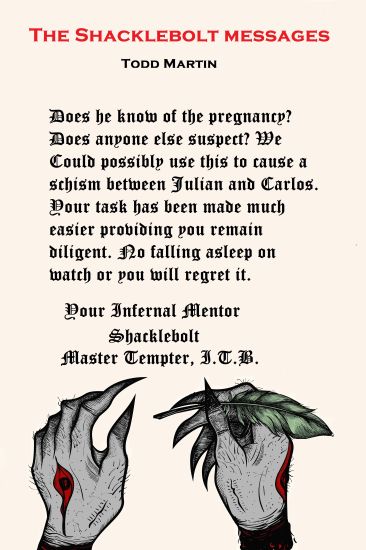
Done in the spirit of "The Screwtape Letter" by C. S. Lewis, this fictional novel presents a picture of humanity's greatest enemy. The forces of Darkness seek to destroy you and all you hold dear at any cost. They are organized, disciplined, and structured. They follow a chain of command that is strictly enforced. Contained in these pages is an example of how they might interact with each other. Join us as we watch Shacklebolt attempt to teach a novice demon how to corrupt a human soul.
A Christian tale of spiritual warfare. Two urban families come together seemingly by accident and find themselves in the midst of a diabolical spiritual plot. The story shows what the author understands to be everyday spiritual warfare that every person faces on a daily basis, whether they are Christian or not.
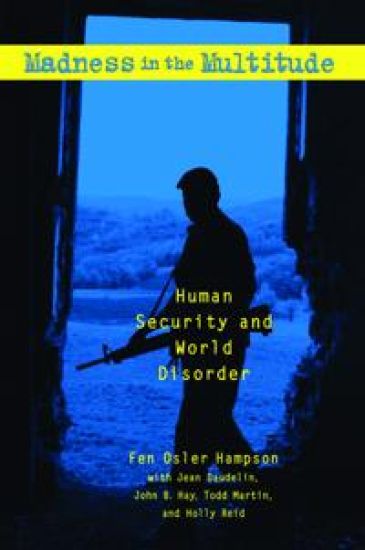
Madness in the Multitude explores the nature of human security in the contemporary world. At one level, human security is about "freedom from fear" and alleviating the plight of innocent victims of armed conflict. Civil strife in many corners of the globe--East Timor, Bosnia, Kosovo, Rwanda, Burundi, Sudan, Georgia, Tajikistan--have witnessed extraordinary violence directed at civilians, especially the most vulnerable citizens in society such as women and children. International efforts to curb the production and use of anti-personnel landmines, half the proliferation and spread of small arms, and strengthen international prohibitions against the most egregious violations of human rights through the establishment of an International Criminal Court are directed at augmenting human security. But at another level, the concept of human security addresses a much wider set of concerns. There are those who argue that human security is not just about "freedom from fear" but also "freedom from want" and other kinds of deprivation. These advocates point to the adverse affects of globalization on human development and the problems of achieving social justice in a world where the forces of globalization have unequal impacts on the distribution of wealth and income. According to this view, the widening gap between the world's richest and poorest countries is a major cause for concern as are a wide range of nonmilitary threats to human health and survival such as AIDS, water and air-borne pollutants, and the general deterioration of the biosphere. In a wide-ranging theoretical and empirical analysis, Madness in the Multitude examines the different meanings and understanding of the concept of human security and how the concept of human security has evolved over the past two centuries. Through case studies of the International Criminal Court, the Anti-personnel Landmines Treaty, international efforts to control small arms, military intervention in Kosovo and elsewhere, and the work of international development agencies and lending institutions, this book asks whether there is a new human security "paradigm" of international politics and what the implications of this paradigm for international order are. The volume suggests that human security constitutes a new kind of global public good whose provision challenges our traditional conceptions about the purpose and function of international institutions, the role of civil society, and the nature of power in international politics. This book explores how our conceptions of human security have evolved in the latter half of the twentieth century, analyzing the debate about how best to promote and advance human security.