Kirjojen hintavertailu. Mukana 12 390 323 kirjaa ja 12 kauppaa.

Kirjailija

Tom Gunning

Kirjat ja teokset yhdessä paikassa: 10 kirjaa, julkaisuja vuosilta 1993-2025, suosituimpien joukossa How to be Our Best Self in Times of Crisis. Vertaile teosten hintoja ja tarkista saatavuus suomalaisista kirjakaupoista.

10 kirjaa

Kirjojen julkaisuhaarukka 1993-2025.

The Attractions of the Moving Image

The Attractions of the Moving Image

Tom Gunning

THE UNIVERSITY OF CHICAGO PRESS
2025
sidottu
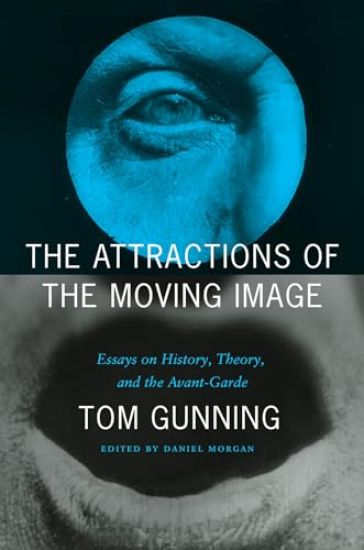
An essential collection of new and selected essays by influential cinema and media studies scholar Tom Gunning. Tom Gunning is the author of multiple books and nearly two hundred essays that have defined the field of cinema and media studies. His works have transformed our understanding of early cinema and the American avant-garde and reset the terms of many central debates in film and media history and theory. His 1986 essay “The Cinema of Attractions” is among the most cited essays on film ever published. Gunning’s writings articulate a distinctive and powerful model for thinking about cinema’s history and likely future, addressing the full range of moving-image media, from film to still photography to digital media. His discussions draw on stage melodrama and magic lantern shows, as well as criminology, world’s fairs, and Spiritualism, surveying the medium as a cultural phenomenon informed by the industrial and information ages, psychiatry, urban experience, discourses on art and aesthetics, and more. This collection brings together twenty-six essays that showcase the depth and range of Gunning’s scholarship, including four that have never before been published. Together, they solidify Gunning’s place as a scholar who has transformed the way generations of scholars, archivists, critics, and artists think about cinema.
The Attractions of the Moving Image

The Attractions of the Moving Image

Tom Gunning

THE UNIVERSITY OF CHICAGO PRESS
2025
nidottu
An essential collection of new and selected essays by influential cinema and media studies scholar Tom Gunning. Tom Gunning is the author of multiple books and nearly two hundred essays that have defined the field of cinema and media studies. His works have transformed our understanding of early cinema and the American avant-garde and reset the terms of many central debates in film and media history and theory. His 1986 essay “The Cinema of Attractions” is among the most cited essays on film ever published. Gunning’s writings articulate a distinctive and powerful model for thinking about cinema’s history and likely future, addressing the full range of moving-image media, from film to still photography to digital media. His discussions draw on stage melodrama and magic lantern shows, as well as criminology, world’s fairs, and Spiritualism, surveying the medium as a cultural phenomenon informed by the industrial and information ages, psychiatry, urban experience, discourses on art and aesthetics, and more. This collection brings together twenty-six essays that showcase the depth and range of Gunning’s scholarship, including four that have never before been published. Together, they solidify Gunning’s place as a scholar who has transformed the way generations of scholars, archivists, critics, and artists think about cinema.
The Experimental Self

The Experimental Self

Patricia G. Berman; Tom Gunning; MaryClaire Pappas

Munch Museum
2024
sidottu
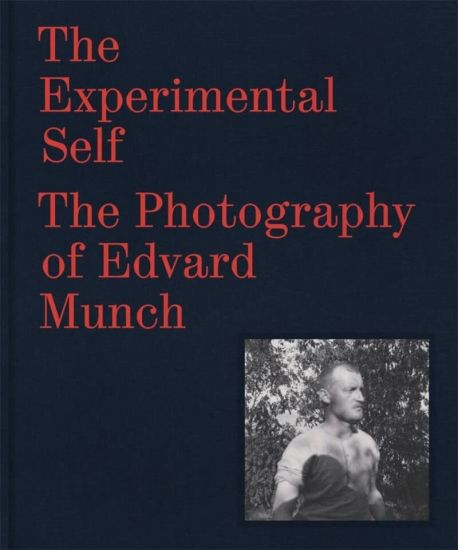
"I have an old camera with which I have taken countless photographs of myself. It often produces astonishing effects", Edvard Munch states in a 1930 interview. "Someday when I am old and have nothing better to do than work on an autobiography, all my photographic self-portraits will see the light of day again." The autobiography was never realised, but the self-portraits have found their way to the pages of The Experimental Self. The Photography of Edvard Munch, which demonstrates the fundamentally experimental nature of the artist’s photographic practice. As a photographer, Munch embraced the freedom provided by the amateur position, and the unpredictable aspects of analogue photographic technology. By playfully approaching his own image in picture after picture, Munch extends his explorations of self-hood in other media through photography. The resulting photographs provide unique access to Munch’s radical artistic vision, which this book studies through eminent essays by Patricia G. Berman, Tom Gunning and MaryClaire Pappas.
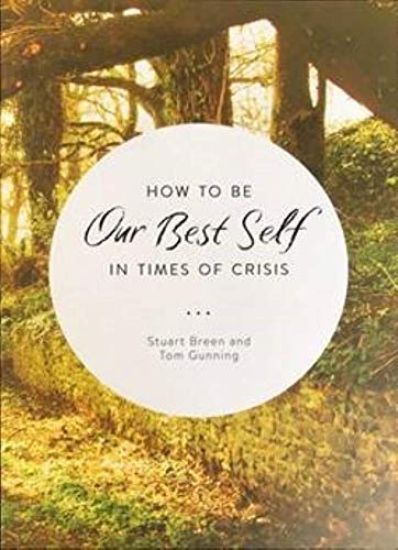
How to be Our Best Self in Times of Crisis

How to be Our Best Self in Times of Crisis

Stuart Breen; Tom Gunning

VERITAS PUBLICATIONS
2021
nidottu
Crises can be defined as any changes in our circumstances that affect us deeply. They can vary from marriage or divorce to birth and death. Some we choose but many - like the Covid-19 pandemic - are chosen for us. How to Be Our Best Self in Times of Crisis helps the reader to understand the body's reaction to crisis and how the physiological response impacts our ways of thinking, often for long periods of time. By recognising the severe impact a crisis can have on our physical bodies, we learn to appreciate the importance of developing the skills to slow down and rest to allow for necessary repair and regeneration. This book guides us through this process of repair and regeneration in a holistic way, beginning with acceptance. A crisis may be painful but we become our best selves by actively engaging with the new possibilities it offers instead of withdrawing from the world
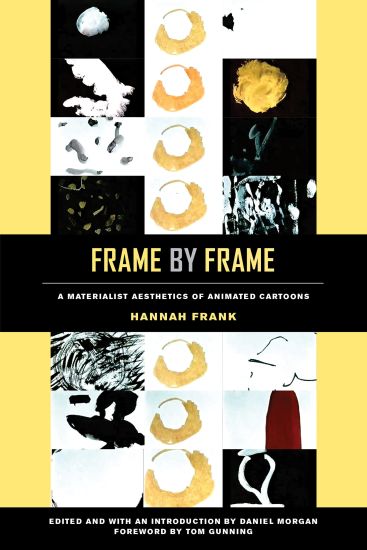
Frame by Frame

Frame by Frame

Hannah Frank; Tom Gunning

University of California Press
2019
pokkari
At publication date, a free ebook version of this title will be available through Luminos, University of California Press's Open Access publishing program. Visit www.luminosoa.org to learn more. In this beautifully written and deeply researched study, Hannah Frank provides an original way to understand American animated cartoons from the Golden Age of animation (1920–1960). In the pre-digital age of the twentieth century, the making of cartoons was mechanized and standardized: thousands of drawings were inked and painted onto individual transparent celluloid sheets (called “cels”) and then photographed in succession, a labor-intensive process that was divided across scores of artists and technicians. In order to see the art, labor, and technology of cel animation, Frank slows cartoons down to look frame by frame, finding hitherto unseen aspects of the animated image. What emerges is both a methodology and a highly original account of an art formed on the assembly line.
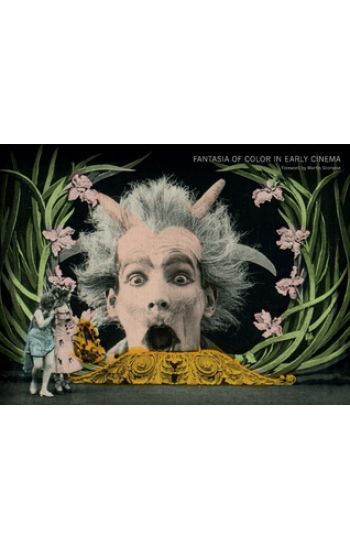
Fantasia of Color in Early Cinema

Fantasia of Color in Early Cinema

Tom Gunning; Giovanna Fossati; Joshua Yumibe; Jonathon Rosen

Amsterdam University Press
2015
sidottu
We normally think of early film as being black and white, but the first color cinematography appeared as early as the first decade of the twentieth century. In this visually stunning book, the editors present a treasure trove of early color film images from the archives of EYE Film Institute Netherlands, bringing to life their rich hues and forgotten splendor. Carefully selecting and reproducing frames from movies made before World War I, Fossati, Gunning, Rosen, and Yumibe share the images here in a full range of tones and colors. Accompanying essays discuss the history of early film and the technical processes that filmmakers employed to capture these fascinating images, while other contributions explore preservation techniques and describe the visual delights that early film has offered audiences, then and now. Featuring more than 300 color illustrations for readers to examine and enjoy, Fantasia of Color in Early Cinema will engage scholars and other readers of all ages and backgrounds.
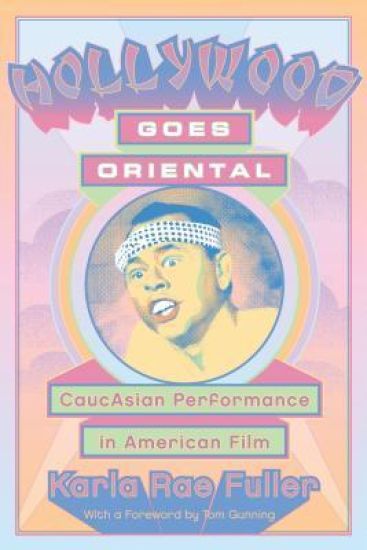
Hollywood Goes Oriental

Hollywood Goes Oriental

Karla Rae Fuller; Tom Gunning

Wayne State University Press
2010
nidottu
In the “classical” Hollywood studio era of the 1930s to the 1960s, many iconic Asian roles were filled by non-Asian actors and some—like Fu Manchu or Charlie Chan—are still familiar today. In Hollywood Goes Oriental: CaucAsian Performance in American Film, Karla Rae Fuller tracks specific cosmetic devices, physical gestures, dramatic cues, and narrative conventions to argue that representations of Oriental identity by Caucasian actors in the studio era offer an archetypal standard. Through this standard, Fuller shed light on the artificial foundations of Hollywood’s depictions of race and larger issues of ethnicity and performance. Fuller begins by investigating a range of Hollywood productions, including animated images, B films, and blockbusters, to identify the elaborate make-up practices and distinct performance styles that characterize Hollywood’s Oriental. In chapter 2, Fuller focuses on the most well known Oriental archetype, the detective, who incorporates both heroic qualities and darker elements into a complex persona. Moving into the World War II era, Fuller examines the Oriental character as political enemy and cultural outsider in chapter 3, drawing a distinction between the “good” Chinese and the “sinister” Japanese character. In chapter 4, she traces a shift back to a seemingly more benign, erotic, and often comedic depiction of Oriental characters after the war. While Hollywood Goes Oriental primarily focuses on representations of Oriental characters by Caucasian actors, Fuller includes examples of performances by non-Caucasian actors as well. She also delves into the origination, connotations, and repercussions of the loaded term “yellowface,” which has been appropriated for many causes. Students, scholars of film, and anyone interested in Asian and cultural studies will appreciate this insightful study.
Casting a Shadow

Casting a Shadow

Scott Curtis; Tom Gunning; Bill Krohn; Jan Olsson

Northwestern University Press
2007
nidottu
Alfred Hitchcock is often held up as the prime example of the one-man filmmaker, conceiving and controlling all aspects of his films' development - the archetype of genius over collaboration. An exhibition at the Block Museum of Art at Northwestern University, however, put the lie to Hitchcock-as-auteur, presenting more than seventy-five sketches, designs, watercolors, paintings, and storyboards that, together, examine Hitchcock's very collaborative filmmaking process. The four essays in this collection were written to accompany the exhibition and delve further into Hitchcock's contributions to the collaborative process of art in film. Scott Curtis considers the four functions of Hitchcock's sketches and storyboards and how they undermine the impression of Hitchcock as a lone artist. Tom Gunning examines the visual vocabulary and cultural weight of Hitchcock's movies. Bill Krohn focuses sharply on the film ""I Confess"", tracking its making over a very cooperative path. Finally, Jan Olsson draws on the television series, ""Alfred Hitchcock Presents,"" to show the ways that collaboration contributes to the formation of his well known public performance. Anchored by editor Will Schmenner's introduction, this book represents an important contribution to Hitchcock scholarship and a provocative glimpse at his unsung strength as a collaborative artist.
This Is Called Moving

This Is Called Moving

Abigail Child; Tom Gunning

The University of Alabama Press
2005
nidottu
As the writer, director, producer, and cinematographer of almost all her 30 films, videos, and shorts, Abigail Child has been recognized as a major and influential practitioner of experimental cinema since the early 1970s. Hallmarks of her style are the appropriation and reassembly of found footage and fragments from disparate visual sources, ranging from industrial films and documentaries to home movies, vacation photography, and snippets of old B movies. The resulting collages and montages are cinematic narratives that have been consistently praised for their beauty and sense of wonder and delight in the purely visual. At the same time, Child's films are noted for their incisive political commentary on issues such as gender and sexuality, class, voyeurism, poverty, and the subversive nature of propaganda. In the essays of This Is Called Moving, Child draws on her long career as a practicing poet as well as a filmmaker to explore how these two language systems inform and cross-fertilize her work. For Child, poetry and film are both potent means of representation, and by examining the parallels between them - words and frames, lines and shots, stanzas and scenes - she discovers how the two art forms re-construct and re-present social meaning, both private and collective.
D.W. Griffith and the Origins of American Narrative Film

D.W. Griffith and the Origins of American Narrative Film

Tom Gunning

University of Illinois Press
1993
nidottu
The legendary filmmaker D. W. Griffith directed nearly 200 films during 1908 and 1909, his first years with the Biograph Company. While those one-reel films are a testament to Griffith's inspired genius as a director, they also reflect a fundamental shift in film style from "cheap amusements" to movie storytelling complete with characters and narrative impetus. In this comprehensive historical investigation, drawing on films preserved by the Library of Congress and the Museum of Modern Art, Tom Gunning reveals that the remarkable cinematic changes between 1900 and 1915 were a response to the radical reorganization within the film industry and the evolving role of film in American society. The Motion Picture Patents Company, the newly formed Film Trust, had major economic aspirations. The newly emerging industry's quest for a middle-class audience triggered Griffith's early experiments in film editing and imagery. His unique solutions permanently shaped American narrative film.