Kirjojen hintavertailu. Mukana 12 465 294 kirjaa ja 12 kauppaa.

Kirjailija

Tracey Skillington

Kirjat ja teokset yhdessä paikassa: 3 kirjaa, julkaisuja vuosilta 2016-2020, suosituimpien joukossa Climate Change and Intergenerational Justice. Vertaile teosten hintoja ja tarkista saatavuus suomalaisista kirjakaupoista.

3 kirjaa

Kirjojen julkaisuhaarukka 2016-2020.

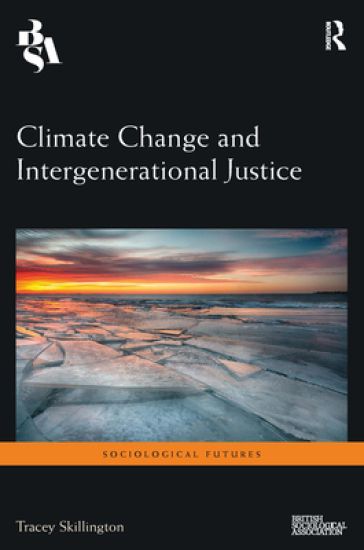
Climate Change and Intergenerational Justice
Synonymous with catastrophe and destructive tendencies, the Anthropocene provokes reflection on the limits of existing applications of ideas of responsibility, ecological agency and democratic justice. Youth campaigners, in particular, make emerging insights on the Anthropocene of central importance to an intersubjectively generated redefinition of the just society of the future. Given their span of affectedness, escalating rates of greenhouse gas emissions shape the ecological circumstances of generations to come and implicate them in harm relations they had no hand in creating. The realization is that human-inspired climate-destructive practices reverberate across plural time frames, thereby raising serious questions about the value of conventional interpretations of the copresence of sources of climate harm and their effects on the health and environmental living standards of all peoples. If injuries provoked by environmental degradation emerge across multiple time frames and affect generations differentially, where do we draw the boundaries of the just society, and how do we identify its most relevant subjects?This book explores how such questions have ignited one of the most important debates on democratic justice in recent years – that between generations. For mobilized youth and future justice coalitions campaigning internationally, expanding resource inequalities (regionally and intergenerationally) are fundamentally issues of unfair exclusions and asymmetries in relations of power between generations. The book offers a comprehensive overview of new insights being generated through such debate on the limitations of democratic presentism, as well as current institutional applications of civil and human rights norms. It assesses overall how the metapolitical relevance of modernity’s democratic project is being creatively redefined in terms more relevant to Anthropocene futures.
Climate Change and Intergenerational Justice
Synonymous with catastrophe and destructive tendencies, the Anthropocene provokes reflection on the limits of existing applications of ideas of responsibility, ecological agency and democratic justice. Youth campaigners, in particular, make emerging insights on the Anthropocene of central importance to an intersubjectively generated redefinition of the just society of the future. Given their span of affectedness, escalating rates of greenhouse gas emissions shape the ecological circumstances of generations to come and implicate them in harm relations they had no hand in creating. The realization is that human-inspired climate-destructive practices reverberate across plural time frames, thereby raising serious questions about the value of conventional interpretations of the copresence of sources of climate harm and their effects on the health and environmental living standards of all peoples. If injuries provoked by environmental degradation emerge across multiple time frames and affect generations differentially, where do we draw the boundaries of the just society, and how do we identify its most relevant subjects?This book explores how such questions have ignited one of the most important debates on democratic justice in recent years – that between generations. For mobilized youth and future justice coalitions campaigning internationally, expanding resource inequalities (regionally and intergenerationally) are fundamentally issues of unfair exclusions and asymmetries in relations of power between generations. The book offers a comprehensive overview of new insights being generated through such debate on the limitations of democratic presentism, as well as current institutional applications of civil and human rights norms. It assesses overall how the metapolitical relevance of modernity’s democratic project is being creatively redefined in terms more relevant to Anthropocene futures.
Climate Justice and Human Rights

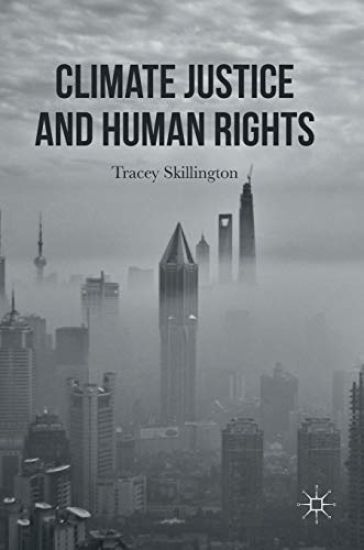
Climate Justice and Human Rights

Tracey Skillington

Palgrave Macmillan
2016
sidottu
This book shows that escalating climate destruction today is not the product of public indifference, but of the blocked democratic freedoms of peoples across the world to resist unwanted degrees of capitalist interference with their ecological fate or capacity to change the course of ecological disaster. The author assesses how this state of affairs might be reversed and the societal relevance of universal human rights rejuvenated. It explores how freedom from want, war, persecution and fear of ecological catastrophe might be better secured in the future through a democratic reorganization of procedures of natural resource management and problem resolution amongst self-determining communities. It looks at how increasing human vulnerability to climate destruction forms the basis of a new peoples-powered demand for greater climate justice, as well as a global movement for preventative action and reflexive societal learning.