Kirjojen hintavertailu. Mukana 12 390 323 kirjaa ja 12 kauppaa.

Kirjailija

Tracy Sugarman

Kirjat ja teokset yhdessä paikassa: 4 kirjaa, julkaisuja vuosilta 2008-2014, suosituimpien joukossa Nobody Said Amen. Vertaile teosten hintoja ja tarkista saatavuus suomalaisista kirjakaupoista.

4 kirjaa

Kirjojen julkaisuhaarukka 2008-2014.

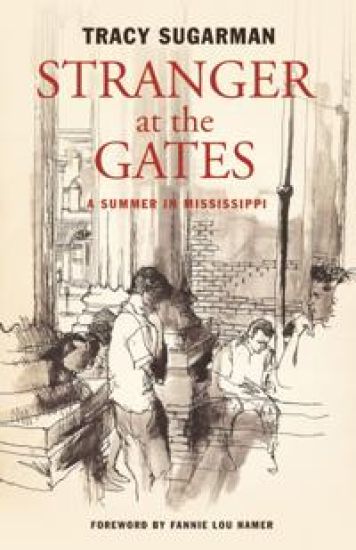
Stranger at the Gates

Stranger at the Gates

Fannie Lou Hamer; Tracy Sugarman

Prospecta Press
2014
pokkari
During the summer of 1964, over one thousand people, including many college students went to Mississippi as part of a state wide effort to register African-American voters and to establish teaching centers that became known as "Freedom Schools." Participants began their training at a college campus in Ohio. Motivated by a strong sense of social justice, Tracy Sugarman, an artist and commercial illustrator from Westport, Connecticut, joined the volunteers in Ohio and set out to document the people and events of what turned out to be an historic period. Sugarman joined the freedom riders, and while somewhat older and more experienced than most of them, was an active participant throughout. Sugarman traveled to Mississippi and shared all the experiences of the workers as well as their fears and anxiety as they were greeted by anger and violence by many white Mississippians. Sugarman describes and beautifully illustrates the living conditions, day-to-day activities, and the interpersonal relationships that developed between the host families and the visitors. The author introduces us and vividly portrays many of the important people in the movement, including Bob Moses and many others, but he also focuses on the ordinary citizens and hosts. Other works have set forth the significant events that occurred during that summer, including especially the Goodman/Schwerner/Chaney murders that took place in Neshoba County and startled the American public. This first hand account focuses more on the human experiences and its meaning for participants. It is an essential source of information about what Freedom Summer did for those who took part in it and now, with the 50th anniversary of Freedom Summer, Stranger at the Gates will bring to life this momentous period for modern readers. Most of the wonderful illustrations created for the 1966 edition of Stranger at the Gates have been reproduced here, and as a special bonus, 26 illustrations that were not included in the original book are included in a gallery of Freedom Summer in brilliant drawings that bring to life, in Tracy Sugarman's powerful reportorial style, the people and places of 1964 Mississippi.
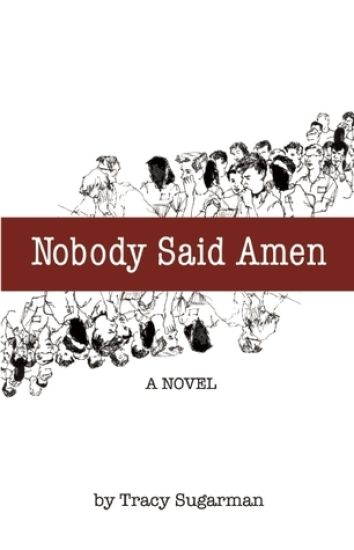
Nobody Said Amen

Nobody Said Amen

Tracy Sugarman

Prospecta Press
2013
pokkari
(Published as a Morris Jesup Book in association with the Westport Library, Westport, Connecticut) Written by an intimate participant in the turbulent civil rights movement in Mississippi, Nobody Said Amen tells the stories of two families' lives, one white, one black, as they navigate the challenging, tilting landscape created by the coming of "outside agitators" and social change to the Mississippi Delta in the 1960s. Owner of a great plantation, Luke Claybourne is a product of Southern attitudes, a decent man who feels responsible for the black families who make his plantation run, but who is loathe to accept the changes necessary for its survival. When he loses his plantation, his entire world is shattered. Led by his wife, Willy, and their friendship with a Northern journalist, Luke is forced to come to terms with a new way of life in the post--Civil Rights era South. Meanwhile, Jimmy Mack, a young black Mississippian leading a group of students who have come to Shiloh to help blacks gain the right to vote, has become a target of the Klan--savagely beaten while in jail and threatened with a burning cross. His love affair with Eula, a Claybourne employee, highlights the tensions and hazards of trying to love in the shadow of a racist world. Rich with a colorful roster of the people in Shiloh, Nobody Said Amen tells a triumphant American tale.
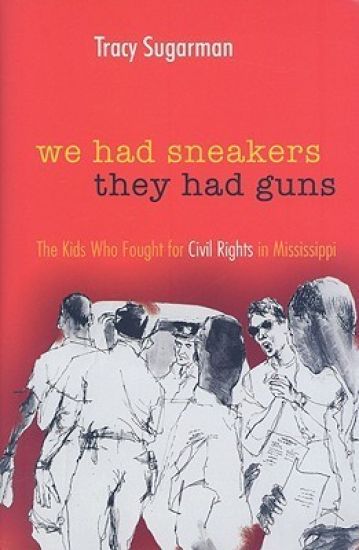
We Had Sneakers, They Had Guns

We Had Sneakers, They Had Guns

Tracy Sugarman

Syracuse University Press
2009
sidottu
No one experienced the 1964 Freedom Summer quite like Tracy Sugarman. As an illustrator and journalist, Sugarman covered the nearly one thousand student volunteers who traveled to the Mississippi Delta to assist black citizens in the South in registering to vote. He interviewed these activists, along with local civil rights leaders and black and white residents not directly involved in the movement, and drew the people and events that made the summer one of the most heroic chapters in American's long march toward racial justice. In ""We Had Sneakers, They Had Guns"", Sugarman chronicles the sacrifices, tragedies, and triumphs of that unprecedented moment in our nation's history. Two white students and one black student were slain in the struggle, many were beaten and hundreds arrested, and churches and homes were burned to the ground by the opponents of equality. Yet the example of Freedom Summer - whites united with heroic black Mississippians to challenge apartheid - resonated across the nation. The United States Congress was finally moved to pass the civil rights legislation that enfranchised the millions of black Americans who had been waiting for equal rights for a century. Blending oral history with memoir, ""We Had Sneakers, They Had Guns"" draws the reader into the lives of Sugarman's subjects, showing the passion and naivete of the volunteers, the bravery of the civil rights leaders, and the candid, sometimes troubling reactions of the black and white Delta residents. Sugarman's unique reportorial art, in word and image, makes this book a vital record of our nation's past.
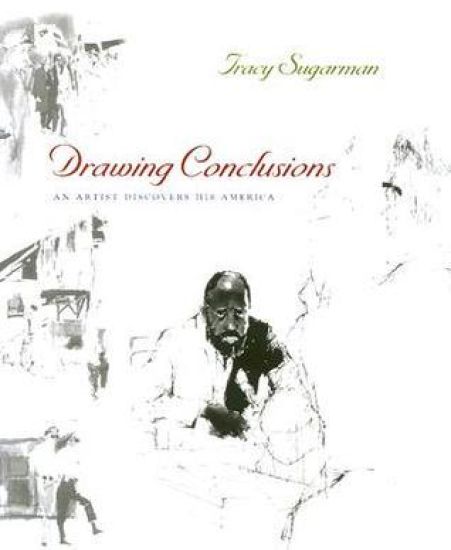
Drawing Conclusions

Drawing Conclusions

Tracy Sugarman

Syracuse University Press
2008
sidottu
At the apex of World War II, Tracy Sugarman documented naval life before, during, and after D-Day. In an age often dependent on photography and motion pictures, this artist used paints, ink, and pencil to forge his own distinctive brand of artistic journalism. His entire on-site reportage of those historic moments has now been acquired by the U.S. Library of Congress. After the war, Sugarman continued to record the triumphs and contradictions of the American experience in vivid pictures and words. The result is a powerful pictorial trove of historic, cultural, and societal events of his time: from the civil rights challenge and transformation in the south to labor demonstrations in the north; from Alvin Ailey dancers to NASA space exploration. Filled with wisdom and humor yet punctuated with outrage over injustice, Sugarman's singular artistry and thoughtful prose provide insights into our American psyche and into the artist's life. ""Drawing Conclusions"" shows that an artist's personal imagery can eclipse the graphic potency of a camera in telling a human story.