Kirjojen hintavertailu. Mukana 12 203 801 kirjaa ja 12 kauppaa.

Kirjailija

Travis Curtright

Kirjat ja teokset yhdessä paikassa: 5 kirjaa, julkaisuja vuosilta 2016-2025, suosituimpien joukossa Thomas More. Vertaile teosten hintoja ja tarkista saatavuus suomalaisista kirjakaupoista.

5 kirjaa

Kirjojen julkaisuhaarukka 2016-2025.

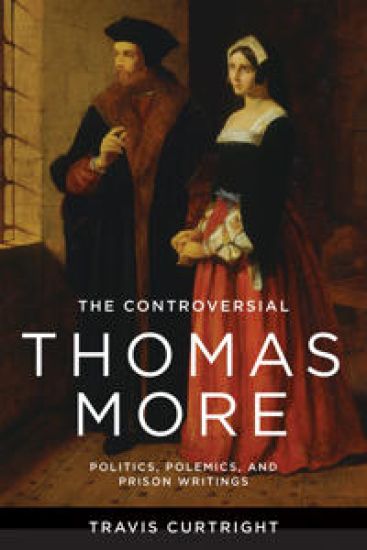
The Controversial Thomas More

The Controversial Thomas More

Travis Curtright

UNIVERSITY OF NOTRE DAME PRESS
2025
sidottu
The Controversial Thomas More offers an original and critical intervention on the writings of Thomas More and his opposition to King Henry VIII. Thomas More is known for refusing the oath of succession and remaining silent about his reasons for doing so. His prison literature, however, tells a different story. Under the threat of execution, More waged an astonishingly prolific and often coded writing campaign in rebuke of King Henry VIII's claim to be supreme head of the Church in England. Travis Curtright's groundbreaking book shows how William Rastell, More's nephew and printer, fashioned a historically inaccurate depiction of More, one that persists to this day. Rastell's edition of More's works gave the false impression that More stopped writing polemical literature in 1533 and, instead, turned his mind exclusively toward heaven and away from politics. In contrast, Curtright proves that More's prison writings are not just devotional literature but also a powerful defense of a united Church under the pope, reestablishing More as a key political and religious thinker, defiant of King Henry VIII. Most scholars restrict More's political thought to his Utopia, but The Controversial Thomas More shows how his prison writings best reveal his ideas of political unity and authority, and is a reconsideration of More's legacy and place in the history of the Henrician Reformation.
The Controversial Thomas More

The Controversial Thomas More

Travis Curtright

UNIVERSITY OF NOTRE DAME PRESS
2025
nidottu
The Controversial Thomas More offers an original and critical intervention on the writings of Thomas More and his opposition to King Henry VIII. Thomas More is known for refusing the oath of succession and remaining silent about his reasons for doing so. His prison literature, however, tells a different story. Under the threat of execution, More waged an astonishingly prolific and often coded writing campaign in rebuke of King Henry VIII's claim to be supreme head of the Church in England. Travis Curtright's groundbreaking book shows how William Rastell, More's nephew and printer, fashioned a historically inaccurate depiction of More, one that persists to this day. Rastell's edition of More's works gave the false impression that More stopped writing polemical literature in 1533 and, instead, turned his mind exclusively toward heaven and away from politics. In contrast, Curtright proves that More's prison writings are not just devotional literature but also a powerful defense of a united Church under the pope, reestablishing More as a key political and religious thinker, defiant of King Henry VIII. Most scholars restrict More's political thought to his Utopia, but The Controversial Thomas More shows how his prison writings best reveal his ideas of political unity and authority, and is a reconsideration of More's legacy and place in the history of the Henrician Reformation.
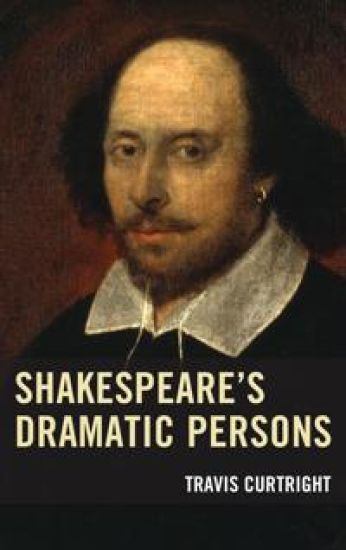
Shakespeare’s Dramatic Persons

Shakespeare’s Dramatic Persons

Travis Curtright

Fairleigh Dickinson University Press
2018
nidottu
In Shakespeare’s Dramatic Persons, Travis Curtright examines the influence of the classical rhetorical tradition on early modern theories of acting in a careful study of and selection from Shakespeare’s most famous characters and successful plays. Curtright demonstrates that “personation”—the early modern term for playing a role—is a rhetorical acting style that could provide audiences with lifelike characters and action, including the theatrical illusion that dramatic persons possess interiority or inwardness. Shakespeare’s Dramatic Persons focuses on major characters such as Richard III, Katherina, Benedick, and Iago and ranges from Shakespeare’s early to late work, exploring particular rhetorical forms and how they function in five different plays. At the end of this study, Curtright envisions how Richard Burbage, Shakespeare’s best actor, might have employed the theatrical convention of directly addressing audience members. Though personation clearly differs from the realism aspired to in modern approaches to the stage, Curtright reveals how Shakespeare’s sophisticated use and development of persuasion’s arts would have provided early modern actors with their own means and sense of performing lifelike dramatic persons.
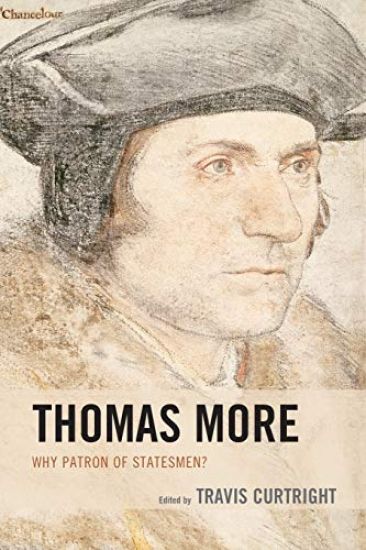
Thomas More

Thomas More

Travis Curtright

Lexington Books
2017
nidottu
The year 2015 marks the 15th anniversary of St. Pope John Paul II’s promulgation of Thomas More as Patron Saint of Statesmen and Politicians. Yet during these years no serious answer has been given by a community of scholars as to why More was named such. What were More’s guiding principles of leadership and in what ways might they remain applicable? This collection of essays addresses these questions by investigating More through his writings, his political actions, and in recent artistic depictions.
Shakespeare’s Dramatic Persons

Shakespeare’s Dramatic Persons

Travis Curtright

Fairleigh Dickinson University Press
2016
sidottu
In Shakespeare’s Dramatic Persons, Travis Curtright examines the influence of the classical rhetorical tradition on early modern theories of acting in a careful study of and selection from Shakespeare’s most famous characters and successful plays. Curtright demonstrates that “personation”—the early modern term for playing a role—is a rhetorical acting style that could provide audiences with lifelike characters and action, including the theatrical illusion that dramatic persons possess interiority or inwardness. Shakespeare’s Dramatic Persons focuses on major characters such as Richard III, Katherina, Benedick, and Iago and ranges from Shakespeare’s early to late work, exploring particular rhetorical forms and how they function in five different plays. At the end of this study, Curtright envisions how Richard Burbage, Shakespeare’s best actor, might have employed the theatrical convention of directly addressing audience members. Though personation clearly differs from the realism aspired to in modern approaches to the stage, Curtright reveals how Shakespeare’s sophisticated use and development of persuasion’s arts would have provided early modern actors with their own means and sense of performing lifelike dramatic persons.