Kirjojen hintavertailu. Mukana 12 595 353 kirjaa ja 12 kauppaa.

Kirjailija

Troy Gobble

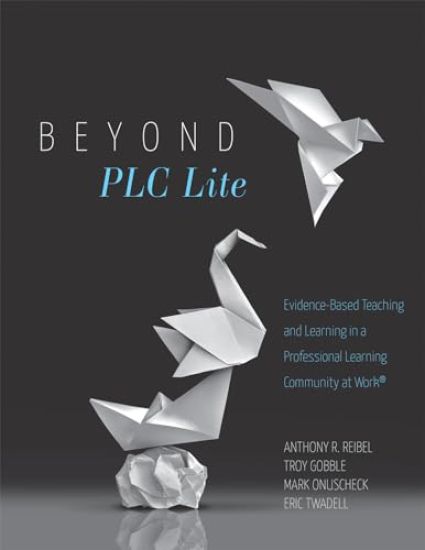
Kirjat ja teokset yhdessä paikassa: 4 kirjaa, julkaisuja vuosilta 2015-2025, suosituimpien joukossa Beyond PLC Lite: Evidence-Based Teaching and Learning in a Professional Learning Community at Work(r) (Move Beyond PLC Lite with a Focus on Student an. Vertaile teosten hintoja ja tarkista saatavuus suomalaisista kirjakaupoista.

4 kirjaa

Kirjojen julkaisuhaarukka 2015-2025.

Resilient: A Framework for Student Wellness Education in a PLC at Work(r) (Encourage Student Wellness in the Classroom.)
If balancing academic demands with student wellness feels overwhelming, Resilient offers a path forward. Grounded in six key components, this guide provides a framework to help educators embed social-emotional growth into daily instruction. With practical tools and real-world strategies, it supports stronger teacher-student relationships, adult well-being, and a thriving school culture--without treating wellness as just one more thing to do. K-12 school leaders, curriculum coordinators, and instructional coaches can use this book to: Create responsive classrooms that encourage social, emotional, and academic growth Reflect on student feedback as opportunities to inform and improve teaching practice Integrate aspects of social-emotional growth and wellness into daily academic learning Build stronger rapports with students through honest assessment and feedback Encourage students' continued growth through increasing levels of engaging challenge Contents: Introduction Chapter 1: Create a Culture of Wellness Chapter 2: Examine Student Voice Chapter 3: Build Educator Capacity Chapter 4: Design an Integrated Wellness Curriculum Chapter 5: Provide Feedback and Assessment Chapter 6: Analyze and Reflect Chapter 7: Amplify and Expand Epilogue References and Resources Index

Pathways to Proficiency, Second Edition: Implementing Evidence-Based Grading, Second Edition (a Five-Phase Process to Implement Evidence-Based Grading
Transform your school's grading practices with this updated second edition on evidence-based grading. The book provides a five-phase process for moving beyond standards-based and competency-based grading models. Administrators and teachers will gain understanding of the core principles of evidence-based assessment, refocus assessments on proficiency, embrace student self-assessment, determine grades based on bodies of work and trends, and create a systemwide transformation of grading practices. K-12 administrators can use this book to: Propose, design, and evaluate new grading practices based on student performance Lead and organize the implementation of evidence-based grading policies and practices Establish clearer guidelines, benchmarks, and standards of student performance Navigate common pitfalls when transitioning to a new evidence-based assessment model Enhance student performance through more consistent feedback and stronger mentorship Contents: Introduction: A Case for a Better Way to Grade Chapter 1: Preparation--Core Commitments Chapter 2: Incubation--Unexpected Connections Chapter 3: Insight--Critical Discoveries Chapter 4: Evaluation--Key Questions Chapter 5: Elaboration--Essential Realizations Epilogue Appendix A: Evidence-Based Grading Gradebook Hacks Appendix B: Other Evidence-Based Grading Impacts Appendix C: Converting a Unity of Study to Evidence-Based Grading References and Resources Index
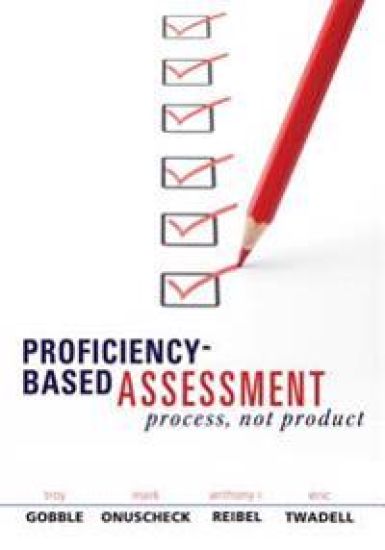
Proficiency-Based Assessment: Process, Not Product

Proficiency-Based Assessment: Process, Not Product

Troy Gobble; Mark Onuscheck

Solution Tree
2015
nidottu
Proficiency-Based Assessment: Process, Not Product by Troy Gobble, Mark Onuscheck, Anthony R. Reibel, and Eric Twadell confronts the gap that exists between K12 teachers' goals for student achievement and traditional, incompatible assessment methods. They argue that in order to bridge the separation between assessment and curriculum and instruction, teacher teams must build a cooperative relationship among these three elements. Through investigating formative assessment practices, the authors have found that educators must create new assessment language and practices to support the learning that they seek. They can do this by learning about and adopting proficiency-based assessment. When implemented correctly, proficiency-based assessment can close the gap between curriculum, instruction, and assessment.