Kirjojen hintavertailu. Mukana 12 390 323 kirjaa ja 12 kauppaa.

Kirjailija

Tu Weiming

Kirjat ja teokset yhdessä paikassa: 3 kirjaa, julkaisuja vuosilta 2009-2011, suosituimpien joukossa New Horizons in Eastern Humanism. Vertaile teosten hintoja ja tarkista saatavuus suomalaisista kirjakaupoista.

3 kirjaa

Kirjojen julkaisuhaarukka 2009-2011.

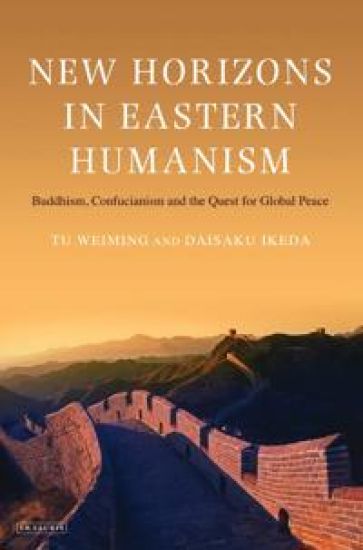
New Horizons in Eastern Humanism

New Horizons in Eastern Humanism

Tu Weiming; Daisaku Ikeda

I.B. Tauris
2011
sidottu
China now attracts global attention in direct proportion to its increasing economic and geopolitical power. But for millennia, the philosophy which has shaped the soul of China is not modern Communism, or even new forms of capitalism, but rather Confucianism. And one of the most striking phenomena relating to China's ascendancy on the world stage is a burgeoning interest, throughout Asia and beyond, in the humanistic culture and values that underlie Chinese politics and finance: particularly the thought of Confucius passed on in the Analects. In this stimulating conversation, two leading thinkers from the Confucian and Buddhist traditions discuss the timely relevance of a rejuvenated Confucian ethics to some of the most urgent issues in the modern world: Sino/Japanese/US relations; the transformation of society through education and dialogue; and the role of world religions in promoting human flourishing. Exploring correspondences between the Confucian and Buddhist world-views, the interlocutors commit themselves to a view of spirituality and religion that, without blurring cultural difference, is focused above all on the 'universal heart': on harmony between people and nature that leads to peace and to a hopeful future for all humanity.
New Horizons in Eastern Humanism

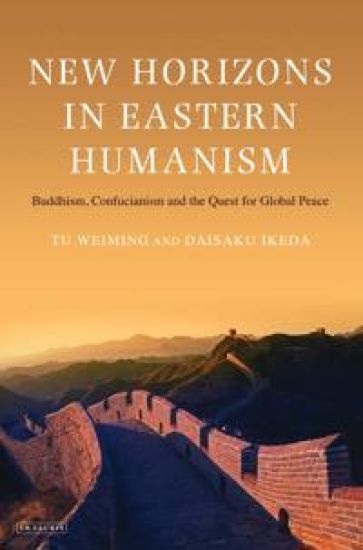
New Horizons in Eastern Humanism

Tu Weiming; Daisaku Ikeda

I.B. Tauris
2011
nidottu
China now attracts global attention in direct proportion to its increasing economic and geopolitical power. But for millennia, the philosophy which has shaped the soul of China is not modern Communism, or even new forms of capitalism, but rather Confucianism. And one of the most striking phenomena relating to China's ascendancy on the world stage is a burgeoning interest, throughout Asia and beyond, in the humanistic culture and values that underlie Chinese politics and finance: particularly the thought of Confucius passed on in the Analects. In this stimulating conversation, two leading thinkers from the Confucian and Buddhist traditions discuss the timely relevance of a rejuvenated Confucian ethics to some of the most urgent issues in the modern world: Sino/Japanese/US relations; the transformation of society through education and dialogue; and the role of world religions in promoting human flourishing. Exploring correspondences between the Confucian and Buddhist world-views, the interlocutors commit themselves to a view of spirituality and religion that, without blurring cultural difference, is focused above all on the 'universal heart': on harmony between people and nature that leads to peace and to a hopeful future for all humanity.
The Sage Learning of Liu Zhi

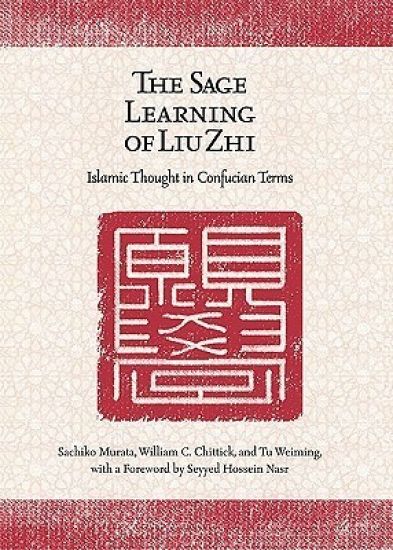
The Sage Learning of Liu Zhi

Murata Sachiko; Chittick William C.; Tu Weiming

Harvard University Press
2009
sidottu
Liu Zhi (ca. 1670-1724) was one of the most important scholars of Islam in traditional China. His "Tianfang xingli" ("Nature and Principle in Islam"), the Chinese-language text translated here, focuses on the roots or principles of Islam. It was heavily influenced by several classic texts in the Sufi tradition. Liu's approach, however, is distinguished from that of other Muslim scholars in that he addressed the basic articles of Islamic thought with Neo-Confucian terminology and categories. Besides its innate metaphysical and philosophical value, the text is invaluable for understanding how the masters of Chinese Islam straddled religious and civilizational frontiers and created harmony between two different intellectual worlds. The introductory chapters explore both the Chinese and the Islamic intellectual traditions behind Liu's work and locate the arguments of Tianfang xingli within those systems of thought. The copious annotations to the translation explain Liu's text and draw attention to parallels in Chinese-, Arabic-, and Persian-language works as well as differences.