Kirjailija
Ulrich Hoffmann
Kirjat ja teokset yhdessä paikassa: 14 kirjaa, julkaisuja vuosilta 1905-2024, suosituimpien joukossa 50 philosophische Erkenntnisse, die das Leben leichter machen. Vertaile teosten hintoja ja tarkista saatavuus suomalaisista kirjakaupoista.
14 kirjaa
Kirjojen julkaisuhaarukka 1905-2024.
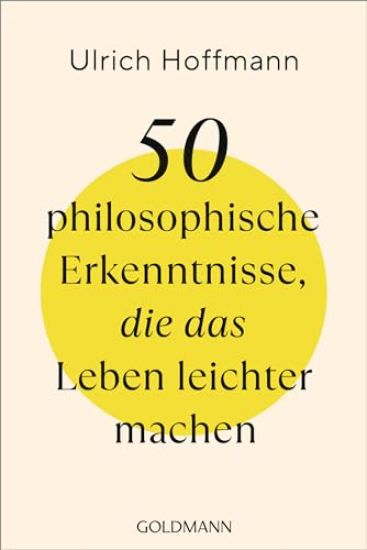
50 philosophische Erkenntnisse, die das Leben leichter machen
Ulrich Hoffmann
Goldmann TB
2024
pokkari

Voluntary Sustainability Standards
Ulrich Hoffmann; Arpit Bhutani
PETER LANG PUBLISHING INC
2021
sidottu
Sustainability standards, and in particular voluntary sustainability standards (VSS) have become an integral part of facilitating green consumerism and promoting green economy and green growth. While such standards have undoubtedly led to some desirable change in production structures and methods, as well as in improved material, resource and energy efficiency, overall results have remained modest, mostly incremental and far from leading to transformational, sector- or economy-wide changes. It is therefore high time that after some 30 years of increasing use of sustainability standards one takes stock of their achievements and pros and cons. This analysis should however not be confined to a technical review of the progress in improving or perfectioning the standard system and best practice in standard application and use, but primarily focus on a review of the political economy of VSS and their record in reshaping the current largely unsustainable agro-food economy and the situation of farmers. Many, in particular voluntary sustainability standards are now at a crossroads, but instead of realizing the systemic, deep-rooted nature of the crisis and conceiving of much-required reforms most standard advocates continue to focus their activities on improving the functioning of the standard system and emulating or disseminating best standard-compliance practice. Against this background, the book wonders what the illusions and what the reality of VSS have been in recent decades and whether these standards can be made fit for a future, in which sustainability issues are bound to play an even more important and pressing role. As appendix we looked into the relationship between the Corona crisis as one of the many other epidemics which have hit us hard and the future of globalized supply chains, of which VSS are part of.



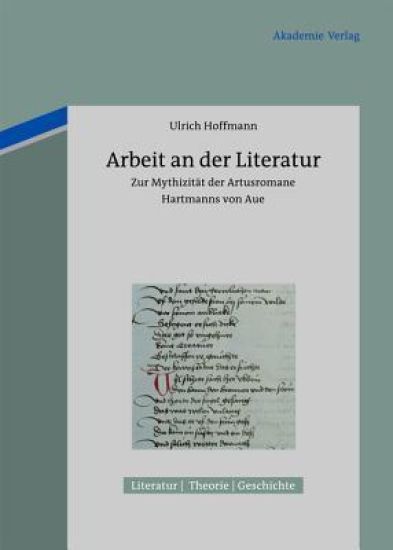
Die mittelalterlichen Artusromane stehen in einer bereits Jahrhunderte andauernden Tradition des Erz hlens von K nig Artus, das ber volkssprachige wie lateinisch-historiographische berlieferungen eine europaweite Verbreitung erlangte. Bis in die literarischen Bearbeitungen des 12. Jahrhunderts hinein haben sich so Inhalte und Erz hlschemata vornehmlich aus der inselkeltischen Mythologie erhalten, w hrend die Annahme einer historischen Faktizit t des Erz hlten zugleich Ausgangspunkt f r ein mithin legitimierendes und weltmodellierendes Erz hlen sein konnte. In textnahen Lekt ren wird diesem Verh ltnis von Mythischem und Erz hlen in den Artusromanen "Erec" und "Iwein" Hartmanns von Aue erstmals umfassend nachgegangen. Dabei geraten zum einen diachrone Verh ltnisse von stofflicher Grundlage und literarischer Bearbeitung in den Blick, zum anderen wird eine synchron ausgerichtete Perspektive auf den kulturellen Kontext hin er ffnet. Da das Mythische sowohl auf der inhaltlichen Ebene des Textes als auch auf der strukturellen Ebene in Ausdrucksformen mythischen Denkens pr sent ist, wird auf zwei den Mythos je anders perspektivierende philosophische Theoriemodelle zur ckgegriffen. Der Ansatz von Hans Blumenberg, der die Funktion und Rezeption des Mythos fokussiert, wird mit dem Ansatz von Ernst Cassirer vermittelt, der den Mythos als symbolische Form beschreibt. So wird ein Instrumentarium entwickelt, anhand dessen die Mythizit t der Romane umfassend beschrieben und begrifflich dargestellt wird. Auf diese Weise kann aufgezeigt werden, wie ein von Inhalten und Strukturen des Mythos gleicherma en gepr gtes Erz hlen kulturelle Konfigurationen im literarischen Text formulieren l sst und so der Reflexion spezifischer Leit- und Wertvorstellungen einer hochmittelalterlichen Adelskultur dienen kann.