Kirjojen hintavertailu. Mukana 12 536 332 kirjaa ja 12 kauppaa.

Kirjailija

Ulrich Knaack

Kirjat ja teokset yhdessä paikassa: 6 kirjaa, julkaisuja vuosilta 2009-2014, suosituimpien joukossa Prefabricated Systems. Vertaile teosten hintoja ja tarkista saatavuus suomalaisista kirjakaupoista.

6 kirjaa

Kirjojen julkaisuhaarukka 2009-2014.

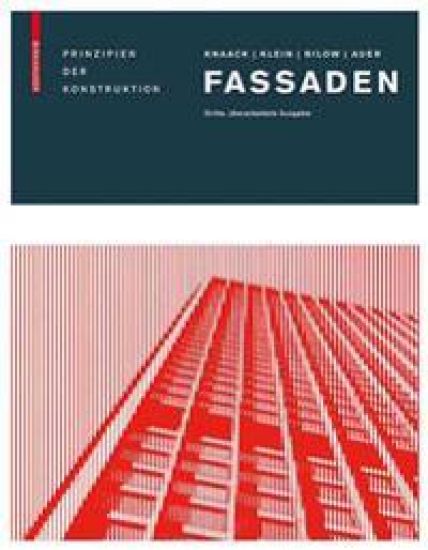
Fassaden

Fassaden

Ulrich Knaack; Tillmann Klein; Marcel Bilow; Thomas Auer

Birkhauser
2014
sidottu
Façades determine the appearance of a building. Hence, they constitute a major element in architecture. At the same time, the building’s envelope has important functions to fulfil, such as lighting, weatherproofing, thermal insulation, load transfer and sound insulation. Over the past 15 years, façades have become increasingly complex – ‘intelligent’ facades, for instance, adapt to changing climate and lighting conditions. Newly developed materials and technologies have broadened the scope of façade functions. This book demonstrates the principles of façade construction. It systematically describes the most common types, such as post-and-beam façade, curtain wall, corridor façade or double façade, and provides guidelines for appropriate detailing. Numerous drawings made especially for the book explain the principles of different types of facades, which are then illustrated with built examples. For this second edition, all chapters were revised and all four examples in the case studies chapter were replaced by new material. The new chapter “Future Facades” offers insights into what’s next.
Façades

Façades

Ulrich Knaack; Tillmann Klein; Marcel Bilow; Thomas Auer

Birkhauser
2014
sidottu
Introduction to building façades as revised editionFaçades determine the appearance of a building. Hence, they constitute a major element in architecture. At the same time, the building’s envelope has important functions to fulfil, such as lighting, weatherproofing, thermal insulation, load transfer and sound insulation. Over the past 15 years, façades have become increasingly complex – ‘intelligent’ facades, for instance, adapt to changing climate and lighting conditions. Newly developed materials and technologies have broadened the scope of façade functions. This book demonstrates the principles of façade construction. It systematically describes the most common types, such as post-and-beam façade, curtain wall, corridor façade or double façade, and provides guidelines for appropriate detailing. Numerous drawings made especially for the book explain the principles of different types of facades, which are then illustrated with built examples. For this second edition, all chapters were revised and all four examples in the case studies chapter were replaced by new material. The new chapter “Future Façades” offers insights into what’s next.
Prefabricated Systems

Prefabricated Systems

Ulrich Knaack; Sharon Chung-Klatte; Reinhard Hasselbach

Birkhauser
2012
sidottu
For a number of years, modular construction – the use of prefabricated elements in architecture – has once again become a subject of lively discussion and debate. Long written off as monotonous, today’s building components are actually highly differentiated and capable of supporting and enhancing the architect’s creativity. Numerous structures work with prefabricated components; for single-family homes the figure is ninety-eight percent, and modular systems are available that meet high aesthetic standards.This book provides an overview of the various different systems and their possible uses, particularly in the areas of housing, office, and industrial buildings. It explains the processes and components of modular construction and the behavior of the various materials when this construction approach is used. The authors offer strategies for planning and designing with prefabricated systems so that the architect can use them productively.Numerous drawings explain the principles of modular construction, while built examples forge a link between those principles and the practical activity of building.
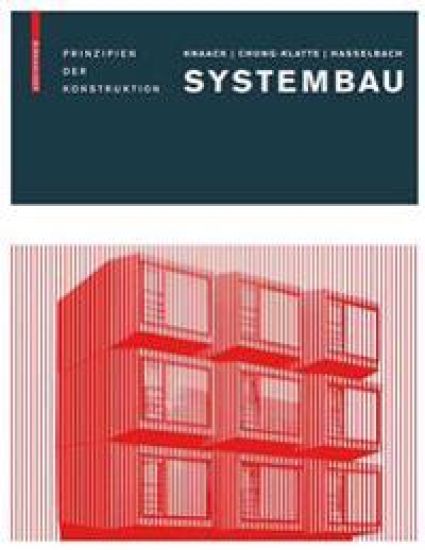
Systembau

Systembau

Ulrich Knaack; Sharon Chung-Klatte; Reinhard Hasselbach

Birkhauser
2012
sidottu
For a number of years, modular construction – the use of prefabricated elements in architecture – has once again become a subject of lively discussion and debate. Long written off as monotonous, today’s building components are actually highly differentiated and capable of supporting and enhancing the architect’s creativity. Numerous structures work with prefabricated components; for single-family homes the figure is ninety-eight percent, and modular systems are available that meet high aesthetic standards.This book provides an overview of the various different systems and their possible uses, particularly in the areas of housing, office, and industrial buildings. It explains the processes and components of modular construction and the behavior of the various materials when this construction approach is used. The authors offer strategies for planning and designing with prefabricated systems so that the architect can use them productively.Numerous drawings explain the principles of modular construction, while built examples forge a link between those principles and the practical activity of building.
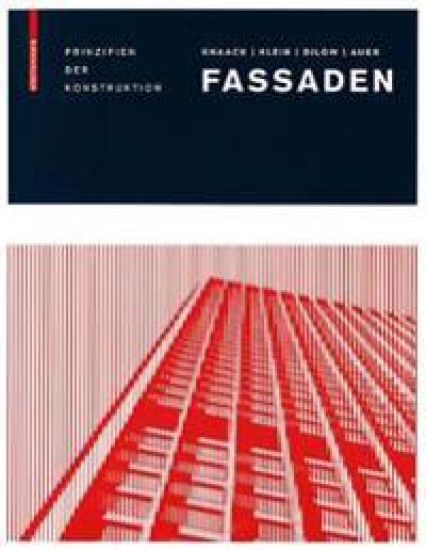
Fassaden

Fassaden

Ulrich Knaack; Tillmann Klein; Marcel Bilow; Thomas Auer

Birkhauser
2010
sidottu
Facades determine the appearance of a building. Thus they have a very important role to play in architecture. At the same time, the building envelope has important functions to fulfill, including lighting, weatherproofing, thermal isolation, load distribution, and sound insulation, to name only the most important. In the last fifteen years, facades have become significantly more complex. For example, "intelligent," climate-active facades use self-regulating systems to respond to changing light and weather conditions.This book demonstrates the principles of facade construction. Guidelines are suggested for good detailing. The installation procedures are described for the most common materials –glass, wood, steel, concrete, and aluminum. Numerous drawings made specially for the book explain the principles of the individual types of facade which are then illustrated with built examples.
Components and Connections

Components and Connections

Maarten Meijs; Ulrich Knaack

Birkhauser
2009
sidottu
Every building is composed of parts, or components, that may be organized in various ways. For example, there are different ways to configure walls so that they perform their primary functions – bearing, dividing, and sheltering – in an optimal manner.This book presents the most common load-bearing systems, such as plate, massive, and skeleton construction, and describes their impact on the structure as a whole. It explains how spaces can be vertically or horizontally connected and assembled into larger wholes. The individual elements, such as floor slabs, roofs, openings, and foundations, are described together with their functions and the various possibilities for connecting them.The book goes beyond the wealth of possible detail to demonstrate the basic principles of detailing. Numerous specially prepared drawings set forth the principles of components and then illustrate them with reference to realized projects.