Kirjojen hintavertailu. Mukana 12 257 053 kirjaa ja 12 kauppaa.

Kirjailija

Vaike Fors

Kirjat ja teokset yhdessä paikassa: 4 kirjaa, julkaisuja vuosilta 2019-2022, suosituimpien joukossa Imagining Personal Data. Vertaile teosten hintoja ja tarkista saatavuus suomalaisista kirjakaupoista.

4 kirjaa

Kirjojen julkaisuhaarukka 2019-2022.

Design Ethnography

Design Ethnography

Sarah Pink; Vaike Fors; Debora Lanzeni; Melisa Duque; Shanti Sumartojo; Yolande Strengers

TAYLOR FRANCIS LTD
2022
nidottu
This book advances the practice and theory of design ethnography. It presents a methodologically adventurous and conceptually robust approach to interventional and ethical research design, practice and engagement.The authors, specialising in design ethnography across the fields of anthropology, sociology, human geography, pedagogy and design research, draw on their extensive international experience of collaborating with engineers, designers, creative practitioners and specialists from other fields. They call for, and demonstrate the benefits of, ethnographic and conceptual attention to design as part of our personal and public everyday lives, society, institutions and activism. Design Ethnography is essential reading for researchers, scholars and students seeking to reshape the way we research, live and design ethically and responsibly into yet unknown futures.

Design Ethnography

Design Ethnography

Sarah Pink; Vaike Fors; Debora Lanzeni; Melisa Duque; Shanti Sumartojo; Yolande Strengers

TAYLOR FRANCIS LTD
2022
sidottu
This book advances the practice and theory of design ethnography. It presents a methodologically adventurous and conceptually robust approach to interventional and ethical research design, practice and engagement.The authors, specialising in design ethnography across the fields of anthropology, sociology, human geography, pedagogy and design research, draw on their extensive international experience of collaborating with engineers, designers, creative practitioners and specialists from other fields. They call for, and demonstrate the benefits of, ethnographic and conceptual attention to design as part of our personal and public everyday lives, society, institutions and activism. Design Ethnography is essential reading for researchers, scholars and students seeking to reshape the way we research, live and design ethically and responsibly into yet unknown futures.
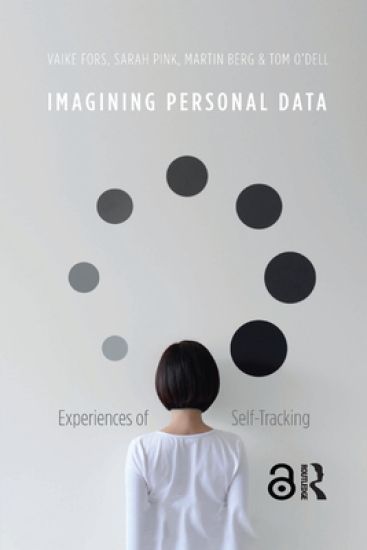
Imagining Personal Data

Imagining Personal Data

Vaike Fors; Sarah Pink; Martin Berg; Tom O'Dell

Taylor Francis Ltd
2021
nidottu
Digital self-tracking devices and data have become normal elements of everyday life. Imagining Personal Data examines the implications of the rise of body monitoring and digital self-tracking for how we inhabit, experience and imagine our everyday worlds and futures. Through a focus on how it feels to live in environments where data is emergent, present and characterized by a sense of uncertainty, the authors argue for a new interdisciplinary approach to understanding the implications of self-tracking, which attends to its past, present and possible future. Building on social science approaches, the book accounts for the concerns of scholars working in design, philosophy and human-computer interaction. It problematizes the body and senses in relation to data and tracking devices, presents an accessible analytical account of the sensory and affective experiences of self-tracking, and questions the status of big data. In doing so it proposes an agenda for future research and design that puts people at its centre.
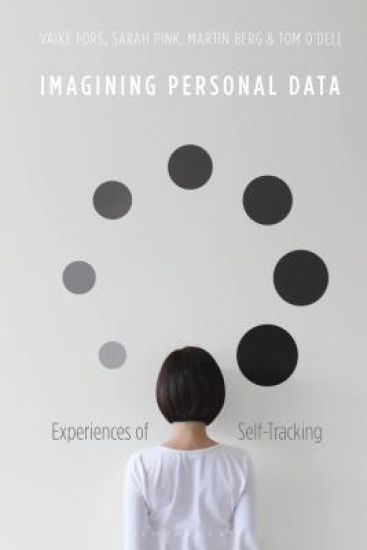
Imagining Personal Data

Imagining Personal Data

Vaike Fors; Sarah Pink; Martin Berg; Tom O'Dell

Bloomsbury Academic
2019
sidottu
Digital self-tracking devices and data have become normal elements of everyday life. Imagining Personal Data examines the implications of the rise of body monitoring and digital self-tracking for how we inhabit, experience and imagine our everyday worlds and futures. Through a focus on how it feels to live in environments where data is emergent, present and characterized by a sense of uncertainty, the authors argue for a new interdisciplinary approach to understanding the implications of self-tracking, which attends to its past, present and possible future. Building on social science approaches, the book accounts for the concerns of scholars working in design, philosophy and human-computer interaction. It problematizes the body and senses in relation to data and tracking devices, presents an accessible analytical account of the sensory and affective experiences of self-tracking, and questions the status of big data. In doing so it proposes an agenda for future research and design that puts people at its centre.