Kirjojen hintavertailu. Mukana 12 562 295 kirjaa ja 12 kauppaa.
Kirjailija
Valentine Robert
Kirjat ja teokset yhdessä paikassa: 2 kirjaa, julkaisuja vuosilta 2014-2024, suosituimpien joukossa Gustave Doré (1832–1883). Vertaile teosten hintoja ja tarkista saatavuus suomalaisista kirjakaupoista.
Erika Dolphin; C ôme; David Kunzle; Paul Lang; Anna Markova; Édouart Papet; Valentine Robert; Baldine Saint Girons; Isabelle Saint-Martin; David Skilton; Valérie Sueur-Hermel; Bertrand Tillier; Eric Zafran
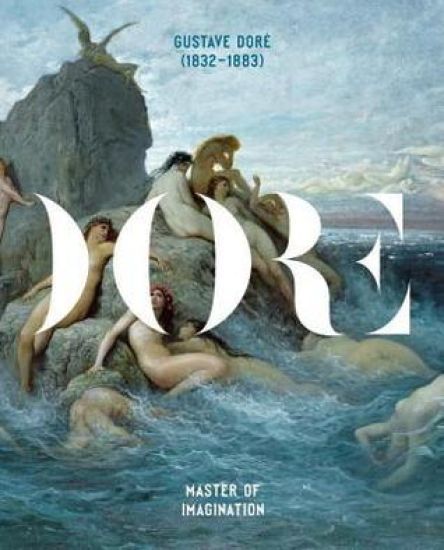
Proclaimed the most illustrious of illustrators, Gustave Dore is best known for his engravings, which appeared in editions of the Bible, Dantes Inferno, Poes The Raven, The Adventures of Don Quixote, and even in Hollywood, from King Kong to Seven. Yet the extent of his genius remains largely unknown. Here, along with his renowned illustrations, his paintings and sculptures are also examined, bringing to light the rich diversity of his talent. Using watercolor, vivid oil paint, or sculpture, he demonstrated mastery in a vast scope of media, and in treatments ranging from monumental historical tableaux to landscapes to modest compositions. His work transcended techniques and eras, covering an inexhaustible range of subjects from Europe to the United States to Russia and revealing his insatiable curiosity. This comprehensive monograph accompanies an exhibition at the Musee dOrsay in Paris from February 18May 11, 2014 and at the National Gallery of Canada in Ottawa from June 12September 14, 2014.
These proceedings of the 16th conference of the international society for the study of early cinema Domitor includes 26 studies and numerous rarely seen figures dealing with the often overlooked history of the crafts, trades and techniques of early cinema. By examining material culture and the institutionalization of practices into trades during the late 19th and early 20th centuries, this new investigation into the skills and the techniques that defined the cinema in its early decades aims to foster a better understanding of the medium in its varied industrial and professional aspects. The art and gestures of craftspersons—including performers, camera operators, editors, directors, designers, engineers, projectionists, programmers, and critics—, like those of the factory or laboratory workers, are considered for their emerging specificity, as well as in relation to existing cultural, material and technological forms. This book shows how the industrialization of cinema, the professionalization of workers, and the standardization of techniques led to the creation (or at times, subversion) of norms, and consequently legitimized certain skills, crafts and techniques at the expense of others. The intermedial approaches deployed in this collection bring into focus the influence of multiple professional worlds and cultural practices on the nascent film medium, as well as the necessary adaptations and transformations required by the latter. This circulatory dynamic concerns people and practices, studied in a non-diffusionist approach taking into account transcultural interactions. Chapters examine the mechanisms of professionalization and identity-building as they relate to professions such as filmmaker or colorist, as well as to more unexpected occupations such as accountant, censor, or chemical engineer. The notion of technique is broadly defined. Several of the volume’s chapters deal with cameras or special effects, as well as with new historical investigation into mysterious technical devices such as shutters, cue systems or working samples. Going beyond this preoccupation with materiality, the collected studies also approach technique as a human and cultural activity, and thus as a set of gestures, crafts, and expertise. The book more specifically opens up a reflection on the skills of screen performers and on the training that brought the institutionalization of body techniques and film acting. The book further illustrates to an unprecedented extent that the first film workers were frequently women. Several chapters are dedicated to the unconventional careers of specific film workers, with particular attention being given to the diversity and complexity of professional trajectories. Indeed, this book demonstrates that the invention of cinema was deeply enmeshed with the rise of international networks, which resulted in the standardization of technical practices within corporate and national contexts being ultimately shaped by globalization.