Kirjojen hintavertailu. Mukana 12 595 353 kirjaa ja 12 kauppaa.

Kirjailija

Valsiner Jaan

Kirjat ja teokset yhdessä paikassa: 2 kirjaa, julkaisuja vuosilta 2000-2015, suosituimpien joukossa Human Development in the Life Course. Vertaile teosten hintoja ja tarkista saatavuus suomalaisista kirjakaupoista.

2 kirjaa

Kirjojen julkaisuhaarukka 2000-2015.

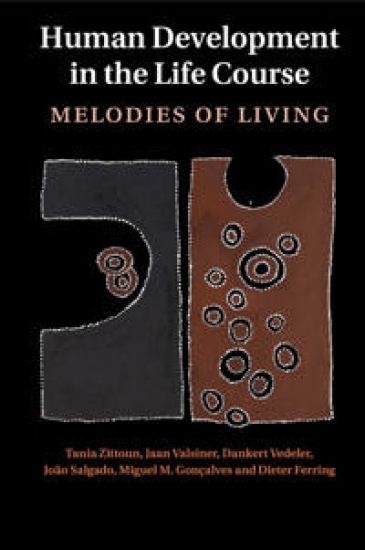
Human Development in the Life Course

Human Development in the Life Course

Zittoun Tania; Valsiner Jaan; Vedeler Dankert; João Salgado; Miguel M. Gonçalves; Ferring Dieter

Cambridge University Press
2015
pokkari
Drawing on philosophy, the history of psychology and the natural sciences, this book proposes a new theoretical foundation for the psychology of the life course. It features the study of unique individual life courses in their social and cultural environment, combining the perspectives of developmental and sociocultural psychology, psychotherapy, learning sciences and geronto-psychology. In particular, the book highlights semiotic processes, specific to human development, that allow us to draw upon past experiences, to choose among alternatives and to plan our futures. Imagination is an important outcome of semiotic processes and enables us to deal with daily constraints and transitions, and promotes the transformation of social representation and symbolic systems - giving each person a unique style, or 'melody', of living. The book concludes by questioning the methodology and epistemology of current life course studies.
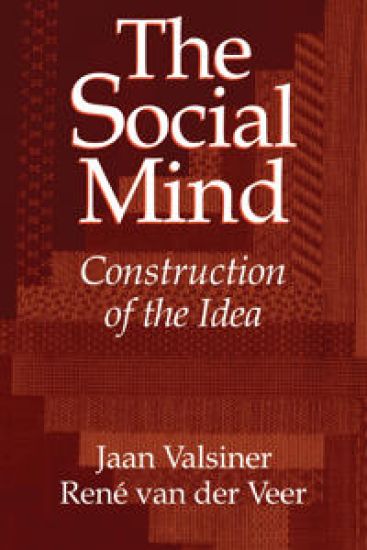
The Social Mind

The Social Mind

Valsiner Jaan; Rene van der Veer

Cambridge University Press
2000
pokkari
The Social Mind charts the intellectual history of the idea of socially constructed mind through the examination of four key theorists - Lev Vygotsky, George Herbert Mead, James Mark Baldwin, and Pierre Janet. An analysis of the theories of these scholars and the social climate in which they worked will be invaluable to contemporary social scientists. In their analysis of the social construction of mind, the authors elaborate on their notion of intellectual interdependency in the development of scientific ideas and they take a new look at how progress in science is a socially constructed entity. Their well constructed, ambitious volume makes an important and timely contribution to the theory and history of psychology.