Kirjojen hintavertailu. Mukana 12 531 487 kirjaa ja 12 kauppaa.
Kirjailija
Vasyl Sukhomlynsky
Kirjat ja teokset yhdessä paikassa: 11 kirjaa, julkaisuja vuosilta 2016-2024, suosituimpien joukossa I'll tell you a story ... Philosophy for children. Vertaile teosten hintoja ja tarkista saatavuus suomalaisista kirjakaupoista.
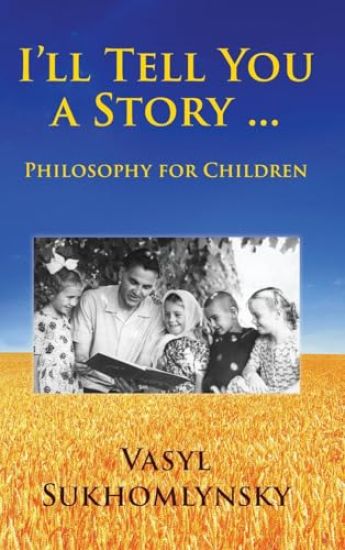
I'll tell you a story ... Philosophy for children is a collection of approximately 800 of Vasyl Sukhomlynsky's ethical tales for children and his reflections on values education, compiled by his daughter, Professor Olha Sukhomlynska. The book has been translated from Ukrainian.The ethical tales in this collection were written to support the values education program at the combined primary and secondary school in the village of Pavlysh, in central Ukraine, where Sukhomlynsky served as the principal from 1948 until his death in 1970. The stories also served as models for the children's own writing. The stories in this book are organised in sections, with each section having a theme and being introduced by reflections on values education relating to that theme.The inculcation of values was at the heart of Sukhomlynsky's holistic approach to education. He considered the development of humane qualities to be even more important than the development of intellectual or vocational skills. In one of the reflections in this book Sukhomlynsky writes: Children meet each other every day at school, in the corridors, in the classrooms. They look each other in the eye, share secrets, argue, enjoy each other's company, get upset, sometimes fight, nursing injuries great and small. Sometimes in our daily work we lose sight of the subtleties of these human relationships. Dear educators, do not forget that understanding these human relationships is your first responsibility. How each of your pupils views other human beings, what they discover in them, what they impart to others, and what remains in their hearts from others-this is a hundred times more important than whether or not they have completed today's homework.Sukhomlynsky believed that whatever vocation his students chose, their happiness would be determined to a large extent by their ability to harness their energies to creative ends and develop positive relationships with others. He also considered the development of strong character to be an area in which anyone could excel, regardless of their physical, intellectual or artistic abilities. In the moral sphere there were limitless opportunities for every individual to shine.The stories in this book cover a broad range of themes and are oriented towards varying ages, from preschoolers to young adults. The stories for very young children often feature animals, while those for senior students and adults may examine parenting issues and the development of positive relationships between teachers and students. The themes covered include: developing an appreciation of beauty, the development of empathy and love for others, respect for elders, developing a sense of duty, the nature of maturity, the role of parents, the development of a conscience, self-discipline and the modification of desires, hard work, generosity, kindness and cruelty, curiosity and the quest for knowledge, the role of teachers, the development of talent, acceptance of diversity, the role of tact and good manners, patriotism and self-sacrifice.As we read Sukhomlynsky's reflections and stories, we are prompted to examine our own values, and we gain fresh insights into the principles that govern our lives. Among the hundreds of little stories, there are many gems that will move us and that we will want to share with the children in our lives.
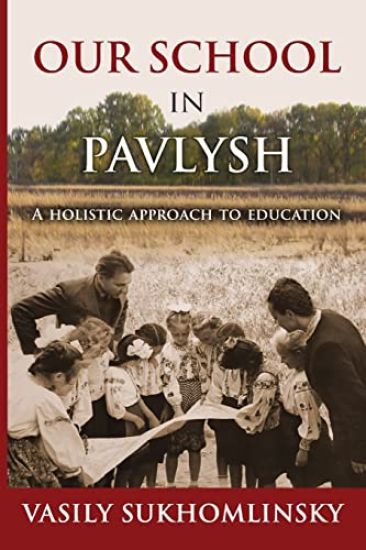
Our School in Pavlysh describes the inspirational work carried out at Pavlysh Secondary School in central Ukraine during the 1960s. For Sukhomlinsky's readership of teachers and school principals, the word 'Pavlysh' stood for creative thought, inspiration, and the hope of finding answers to troubling questions. Raising his school from the ashes of World War Two, Sukhomlinsky created a system of education that was deeply embedded in the natural environment and that fostered the qualities of curiosity, empathy and creativity. One of the thousands of visitors to Pavlysh, a school principal from Armenia, wrote: 'I have spent only one day in this remarkable school where so much is happening, but I have gained as much as I did in four years at the institute.' Another visiting principal wrote: 'Pavlysh Secondary School should be renamed a university We say this quite responsibly: here a feeling of wonder and admiration comes over anyone with the slightest love for children and schools.'Students enrolling in Sukhomlinsky's school became part of a vibrant learning community in which teachers, parents, community members, and the students themselves all played a role in educating each other. Dozens of clubs operated after school, most attended by children of varying ages, and the older children played a significant role in educating younger children. These informal, extracurricular activities were extremely important in developing children's talents, building their self-esteem, and providing an experiential background for formal studies. In this environment students became autonomous, lifelong learners.
Our School in Pavlysh describes the inspirational work carried out at Pavlysh Secondary School in central Ukraine during the 1960s. For Sukhomlinsky's readership of teachers and school principals, the word 'Pavlysh' stood for creative thought, inspiration, and the hope of finding answers to troubling questions. Raising his school from the ashes of World War Two, Sukhomlinsky created a system of education that was deeply embedded in the natural environment and that fostered the qualities of curiosity, empathy and creativity. One of the thousands of visitors to Pavlysh, a school principal from Armenia, wrote: 'I have spent only one day in this remarkable school where so much is happening, but I have gained as much as I did in four years at the institute.' Another visiting principal wrote: 'Pavlysh Secondary School should be renamed a university We say this quite responsibly: here a feeling of wonder and admiration comes over anyone with the slightest love for children and schools.'Students enrolling in Sukhomlinsky's school became part of a vibrant learning community in which teachers, parents, community members, and the students themselves all played a role in educating each other. Dozens of clubs operated after school, most attended by children of varying ages, and the older children played a significant role in educating younger children. These informal, extracurricular activities were extremely important in developing children's talents, building their self-esteem, and providing an experiential background for formal studies. In this environment students became autonomous, lifelong learners.
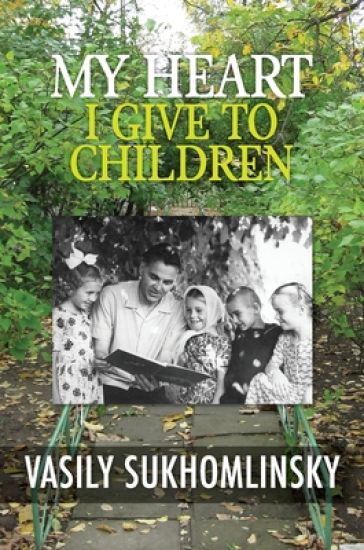
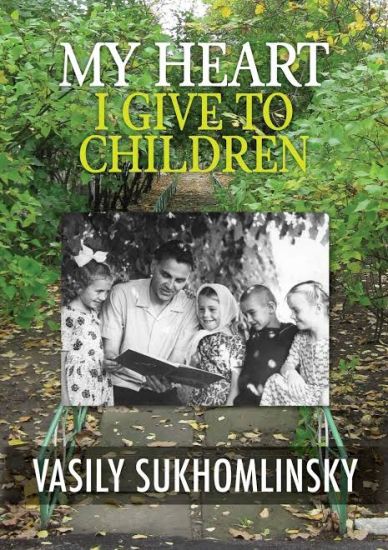
Vasily Sukhomlinsky's 'My Heart I Give to Children' describes Sukhomlinsky's ground-breaking work with thirty-one students in rural Ukraine, during an experimental preschool year and the subsequent four years of their primary schooling.