Kirjojen hintavertailu. Mukana 12 617 874 kirjaa ja 12 kauppaa.

Kirjailija

Victor I. Stoichita

Kirjat ja teokset yhdessä paikassa: 6 kirjaa, julkaisuja vuosilta 1995-2019, suosituimpien joukossa The Self-Aware Image. Vertaile teosten hintoja ja tarkista saatavuus suomalaisista kirjakaupoista.

Mukana myös kirjoitusasut: Victor I Stoichita

6 kirjaa

Kirjojen julkaisuhaarukka 1995-2019.

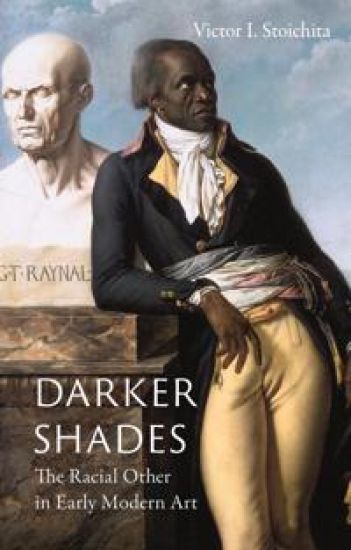
Darker Shades

Darker Shades

Victor I. Stoichita

Reaktion Books
2019
sidottu
Difference exists; otherness is constructed. This book asks how important Western artists, from Giotto to Titian and Caravaggio, and from Bosch to Dürer and Rembrandt, shaped the imaging of non-Western individuals in Early Modern art. This nuanced and detailed study examines images of racial ‘otherness’ during a time of new encounters with different cultures and peoples, such as people of colour, Muslims and Jews. The book also reconsiders the Western canon’s most essential facets: perspective, pictorial narrative, composition, bodily proportion, beauty, colour, harmony and lighting. What room was there for the ‘Other’ in such a crystalline, unchanging paradigm? This book is a fascinating investigation for anyone interested in early modern art history, anthropology and post-colonial studies.
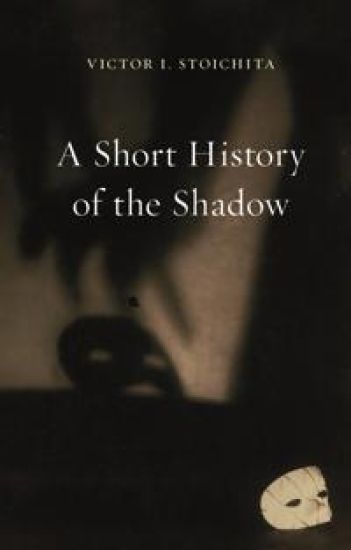
A Short History of the Shadow

A Short History of the Shadow

Victor I. Stoichita

Reaktion Books
2019
nidottu
In this investigative tour de force, now available in a new format edition, Victor I. Stoichita untangles the history of one of the most enduring technical and symbolic challenges to confront Western artists: the depiction and meanings of shadows.Stoichita’s compelling account of the shadow and Western art draws on texts by Renaissance artist-authors such as Vasari and Cennini, folk and fairy tales, classical myths, works by van Eyck, Poussin, Malevich, De Chirico, Picasso and other masters, German Expressionist cinema, photography and child psychology. It is a wholly original investigation of a subject that for centuries has challenged the very meaning of art as representation.
A Window on the World

A Window on the World

Giovanni Iovane; Francesca Bernasconi; Rosalind Krauss; Victor I. Stoichita; Daniela Ferrari; Bruno Reichlin; Elio Grazioli; Alberto Pezzotta; Angelica Jawlensky; Angelika Affentranger-Kichrath; Brenda Danilowitz; Nicholas Fox Weber

Skira
2013
sidottu
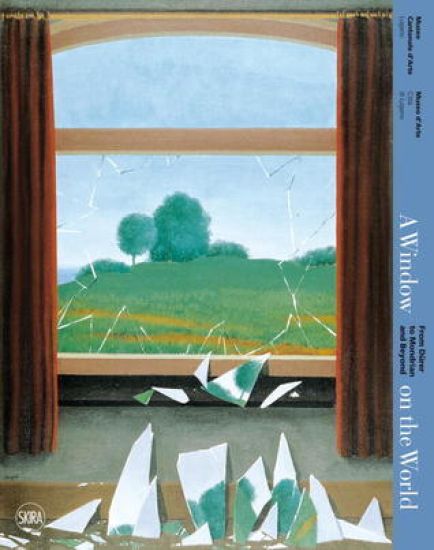
Through more than 200 works, the representation and pictorial meaning of the window in the Western Art Since the Renaissance, the window has been both a metaphor and an essential conceptual tool in Western painting. A Window on the World seeks to thoroughly analyze the gradual changes which have occurred in the representation and pictorial meaning of the window, in particular in the course of the twentieth century. It explores the radical change in perspective whereby artists developed and offered us a “global vision”, a formal perception freed from the need to imitate the objective world. The catalogue is structured into four main sections: Historical introduction, Seeing through, Grids, From the Window to the Screen. These sections include specific analysis consecrated to artists who have chosen the window as the privileged means of their artistic research or to recurrent themes such as the fascinating relationship between window and still life.
Goya

Goya

Coderch Anna Maria; Victor I Stoichita

Reaktion Books
1999
nidottu
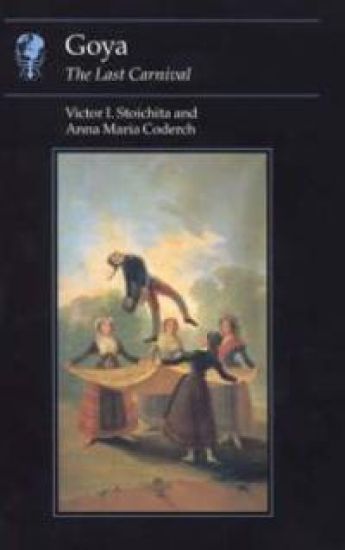
This text provides a new reading of Goya, concentrating on the closing years of the 18th century as a neglected milestone in his life. Goya waited until 1799 to publish his celebrated series of drawings, the "Caprichos", which offered a personal vision of the "world turned upside down". Victor Stoichita and Anna Coderch consider how themes of "Revolution" and "Carnival" (both seen as inversions of the established order) were obsessions in Spanish culture in this period, and make provocative connections between the close of the 1700s and the approaching of the Millennium. The authors deal with almost unknown or neglected literary sources concerning Goya's intellectual envirnoment. Particular emphasis is placed on the artist's links to the underground tradition of the grotesque, of the ugly and the violent. Goya's drawings, considered as a personal and secret laboratory, are foregrounded in a study that also reinterprets his paintings and engravings in the cultural context of his time.
Visionary Experience In the Golden Age of Spanish Art
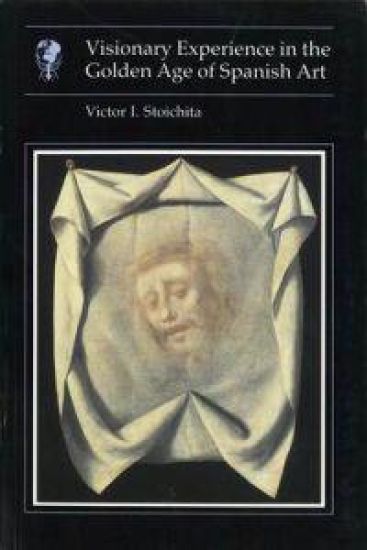
In this original and lucid account of how Spanish painters of the sixteenth and seventeenth centuries dealt with mystic visions in their art, and of how they attempted to ‘represent the unrepresentable’, Victor Stoichita aims to establish a theory of visionary imagery in Western art in general, and one for the Spanish Counter-Reformation in particular. He reveals how the spirituality of the Counter-Reformation was characterised by a rediscovery of the role of the imagination in the exercise of faith. This had important consequences for painters such as Velazquez, Zurbaran and El Greco, leading to the development of ingenious solutions for visual depictions of mystical experience. This was to crystallize into an overtly meditative and didactic pictorial language. That Spanish painting is both cerebral and passionate is due to the particular historical forces which shaped it. Stoichita’s account will be of crucial interest not just to scholars of Spanish art but to anyone interested in how art responds to ideological pressures.