Kirjojen hintavertailu. Mukana 12 390 323 kirjaa ja 12 kauppaa.

Kirjailija

Victoria Armstrong

Kirjat ja teokset yhdessä paikassa: 4 kirjaa, julkaisuja vuosilta 2011-2022, suosituimpien joukossa DK Reader Level 2 DC How Fast Is the Flash?. Vertaile teosten hintoja ja tarkista saatavuus suomalaisista kirjakaupoista.

4 kirjaa

Kirjojen julkaisuhaarukka 2011-2022.

DK Reader Level 2 DC How Fast Is the Flash?

DK Reader Level 2 DC How Fast Is the Flash?

Victoria Armstrong

DK Publishing (Dorling Kindersley)
2022
nidottu
Can you keep up with the Fastest Man Alive? Barry Allen might just look like a scientist, but he's really The Flash(TM) Discover how he uses his superhuman speed to save Central City from Super-Villains, and meet his Justice League(TM) friends. Packed with fun facts, exciting color images, simple vocabulary, and a fun quiz this Level 2 non-fiction reader will engage young fans of DC Super Heroes and help them build confidence in reading. (TM) & DC Comics. (s21)

Technology and the Gendering of Music Education
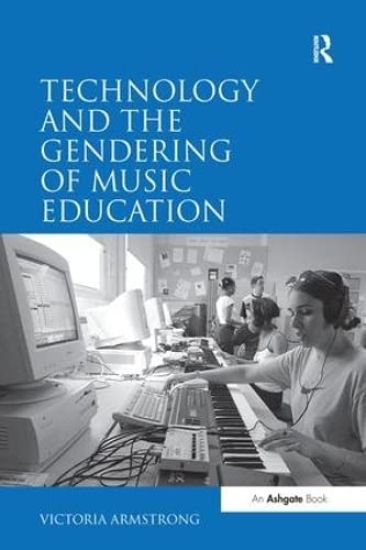
Critical of technologically determinist assumptions underpinning current educational policy, Victoria Armstrong argues that this growing technicism has grave implications for the music classroom where composition is often synonymous with the music technology suite. The use of computers and associated compositional software in music education is frequently decontextualized from cultural and social relationships, thereby ignoring the fact that new technologies are used and developed within existing social spaces that are always already delineated along gender lines. Armstrong suggests these gender-technology relations have a profound effect on the ways adolescents compose music as well as how gendered identities in the technologized music classroom are constructed. Drawing together perspectives from the sociology of science and technology studies (STS) and the sociology of music, Armstrong examines the gendered processes and practices that contribute to how students learn about technology, the repertoire of teacher and student talk, its effect on student confidence and the issue of male control of technological knowledge. Even though girls and female teachers have technological knowledge and skill, the continuing material and symbolic associations of technology with men and masculinity contribute to the perception of women as less able and less interested in all things technological. In light of the fact that music technology is now central to many music-making practices across all sectors of education from primary, secondary through to higher education, this book provides a timely critical analysis that powerfully demonstrates why the relationship between gender and music technology should remain an important empirical consideration.
Technology and the Gendering of Music Education

Technology and the Gendering of Music Education

Victoria Armstrong

Ashgate Publishing Limited
2011
sidottu
Critical of technologically determinist assumptions underpinning current educational policy, Victoria Armstrong argues that this growing technicism has grave implications for the music classroom where composition is often synonymous with the music technology suite. The use of computers and associated compositional software in music education is frequently decontextualized from cultural and social relationships, thereby ignoring the fact that new technologies are used and developed within existing social spaces that are always already delineated along gender lines. Armstrong suggests these gender-technology relations have a profound effect on the ways adolescents compose music as well as how gendered identities in the technologized music classroom are constructed. Drawing together perspectives from the sociology of science and technology studies (STS) and the sociology of music, Armstrong examines the gendered processes and practices that contribute to how students learn about technology, the repertoire of teacher and student talk, its effect on student confidence and the issue of male control of technological knowledge. Even though girls and female teachers have technological knowledge and skill, the continuing material and symbolic associations of technology with men and masculinity contribute to the perception of women as less able and less interested in all things technological. In light of the fact that music technology is now central to many music-making practices across all sectors of education from primary, secondary through to higher education, this book provides a timely critical analysis that powerfully demonstrates why the relationship between gender and music technology should remain an important empirical consideration.