Kirjojen hintavertailu. Mukana 12 595 353 kirjaa ja 12 kauppaa.
Kirjailija
Viktor E. Frankl
Kirjat ja teokset yhdessä paikassa: 74 kirjaa, julkaisuja vuosilta 1985-2025, suosituimpien joukossa Jeevan ke Arth ki Talaash me Manushya - Yuvaon ke liye (Hindi Edition of Man's Search For Meaning Young Edition by Viktor E. Frankl). Vertaile teosten hintoja ja tarkista saatavuus suomalaisista kirjakaupoista.
A prominent Viennese psychiatrist, Viktor Frankl was uniquely able to observe the way that he and other inmates coped with the experience of being in Auschwitz. Frankl came to believe that man's deepest desire is to search for meaning and purpose. This work offers us all a way to transcend suffering and find significance in the art of living.
Itävaltalainen neurologi, psykiatri Viktor E. Frankl (1905–1997) oli elämän tarkoitukseen suuntautuvan logoterapian perustaja. Logoterapia, jota on kutsuttu kolmanneksi wieniläiseksi psykoterapian koulukunnaksi, korostaa elämän tarkoituksen merkitystä mielenterveydelle. Tällä ei tarkoiteta elämän tarkoitusta yleisesti, vaan jokaisen henkilökohtaista ja tilannesidonnaista, ainutkertaista tarkoitusta. Oleminen ja tarkoitus (saks. Ärtzliche Seelsorge) ilmestyi ensi kerran vuonna 1946. Frankl oli kirjoittanut sen alkuversion jo ennen joutumistaan keskitysleirille vuonna 1942, josta hän vapautui toisen maailmansodan päättyessä keväällä 1945. Keskitysleirikokemukset antoivat Franklille tärkeää lisämateriaalia. Hän onkin todennut, että hänen teoriansa testattiin keskitysleirissä. Frankl omisti kirjan keskitysleirissä kuolleelle ensimmäiselle vaimolleen.Frankl muokkasi ja täydensi kirjaansa vuoteen 1982 asti, jolloin ilmestyi sen 10. painos.Ärtzliche Seelsorge ilmestyi suomennettuna ensimmäisen kerran vuonna 1983 nimellä Olemisen tarkoitus. Tämä Oleminen ja tarkoitus -kirja on kokonaan uusi, tarkennettu käännös alkukielestä.
"Inspiring stories and practical insights challenge readers to live a life of everyday greatness. Best-selling author Stephen Covey and ""Reader's Digest"" have joined forces to produce an extraordinary volume of inspiration, insight, and motivation to live a life of character and contribution.
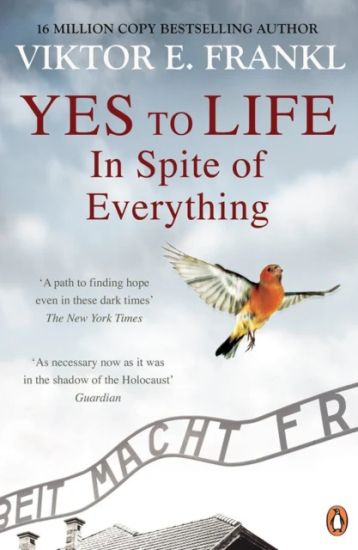
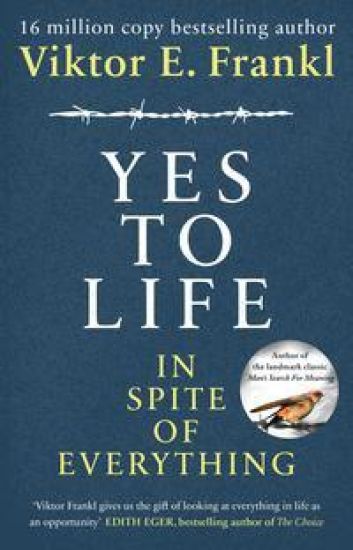
'Viktor Frankl gives us the gift of looking at everything in life as an opportunity' Edith Eger, bestselling author of The Choice'Offers a path to finding hope even in these dark times' The New York Times A rediscovered masterpiece by the 16 million copy bestselling author of Man's Search For MeaningJust months after his liberation from Auschwitz renowned psychiatrist Viktor E. Frankl delivered a series of talks revealing the foundations of his life-affirming philosophy. The psychologist, who would soon become world famous, explained his central thoughts on meaning, resilience and his conviction that every crisis contains opportunity. Published here for the very first time in English, Frankl's words resonate as strongly today as they did in 1946. Despite the unspeakable horrors in the camp, Frankl learnt from his fellow inmates that it is always possible to say 'yes to life' - a profound and timeless lesson for us all. With an introduction by Daniel Goleman. 'Frankl's is a voice that seems as necessary now as it was in the shadow of the Holocaust' Guardian
Find hope even in these dark times with this rediscovered masterpiece, a companion to his international bestseller Man's Search for Meaning. Eleven months after he was liberated from the Nazi concentration camps, Viktor E. Frankl held a series of public lectures in Vienna. The psychiatrist, who would soon become world famous, explained his central thoughts on meaning, resilience, and the importance of embracing life even in the face of great adversity. Published here for the very first time in English, Frankl's words resonate as strongly today--as the world faces a coronavirus pandemic, social isolation, and great economic uncertainty--as they did in 1946. He offers an insightful exploration of the maxim "Live as if you were living for the second time," and he unfolds his basic conviction that every crisis contains opportunity. Despite the unspeakable horrors of the camps, Frankl learned from the strength of his fellow inmates that it is always possible to "say yes to life"--a profound and timeless lesson for us all.
It is not a surprising fact that a person cries after being born, but a man dies weeping. This is a surprising fact. Sorrow begins due to birth, it is natural to cry. But death is freedom from sorrow, so it is unnatural to be afraid of death and to cry. If, according to the rules contrary to life, if birth is unhappiness, then death should be happiness. Death should be enjoyed, because in death, man becomes the one who happens before birth. Even before birth man becomes absorbed in not being and after death he becomes absorbed in not being.
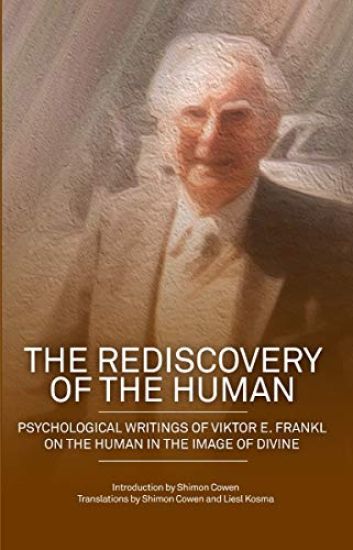
Frankl's Man's Search for Meaning sold over 10 million copies and was translated into over 30 languages and was deemed by a survey of the Library of Congress one of "the ten most influential books in America". This volume introduces and presents translations of a number of important but less well-known writings by Viktor Frankl, translated from the original German, in which he forthrightly relates psychology to religious concepts. These cast a strong, new light on the generally received understanding of Frankl's contribution to psychology - "logotherapy" - and its relationship to the soul and universal ethics.
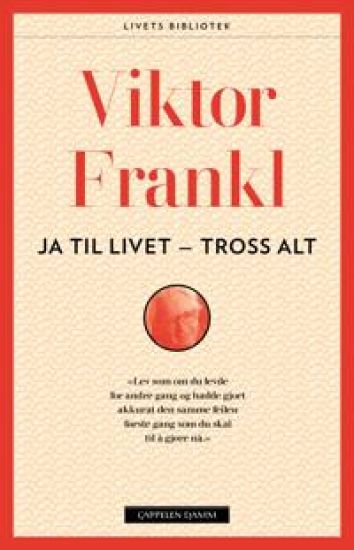
I det foredraget som avslutter denne boken, skriver Frankl at menneskene på Sigmund Freuds tid var så vel lystorienterte som snerpete. Seksualdriften var frustrert. Så fortsetter han: «I dag er mennesket ikke først og fremst seksuelt, men eksistensilelt frustrert. Dets vilje til lyst er blitt tilfredsstilt. Det som ikke blir tilfredsstilt er det jeg vil kalle viljen til mening, menneskets eksistensielle lengsel og higen etter en høyere og endelig mening med livet.»Det er ord som passer like godt på våre dager.Viktor Frankl (1905 – 1997) satte hele sitt liv og sitt virke inn på å hjelpe mennesket til mening. Og stadig gjentar at han vi ikke kan spørre etter livets mening; det er livet som stiller spørsmål til oss. Så gjelder det å besvare spørsmålene så oppmerksomt og ansvarsfullt som vi kan.Selv hadde han opplevd de største og mest gruoppvekkende spørsmålene. Han tilbragte tre år i nazistenes konsentrasjonsleire og opplevde at hele hans familie ble utryddet, så nær som én søster som hadde utvandret til Australia.De tre første foredragene i Ja til livet – tros alt ble holdt et lite år etter at han slapp ut og behandler selvmordet, dødshjelp og håpet som ikke kan dø. Det siste foredraget ble holdt i Oslo i 1966, «Ungdom på leting etter mening», og viser oss en mann som står midt inne i sin tid: Dette var året da ungdomsopprøret startet i USA.Foredragene er oversatt av Peter Normann Waage. Han har også utstyrt boken med et forord om Viktor Frankls liv, virke og hans psykologiske retning, logoterapien.På norsk finnes også to andre titler av Viktor Frankl, Livet er mening og Vilje til mening. Livet er mening inngår også i bokserien Livets bibliotek og er utstyrt med et nyskrevet forord av Finn og Maria Skårderud.
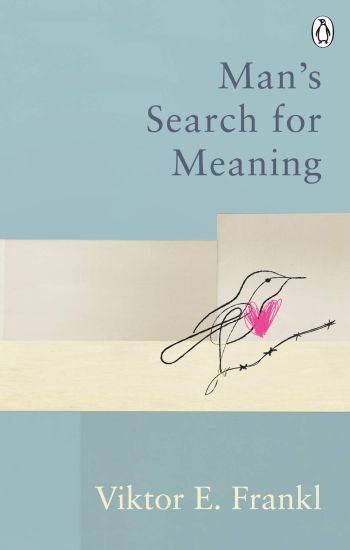
Over 16 million copies sold worldwide 'Every human being should read this book' Simon Sinek One of the outstanding classics to emerge from the Holocaust, Man's Search for Meaning is Viktor Frankl's story of his struggle for survival in Auschwitz and other Nazi concentration camps.
'Viktor Frankl gives us the gift of looking at everything in life as an opportunity' Edith Eger, bestselling author of The Choice Rediscovered masterpiece by the 16 million copy bestselling author of Man’s Search For Meaning Just months after his liberation from Auschwitz renowned psychiatrist Viktor E. Frankl delivered a series of talks revealing the foundations of his life-affirming philosophy. The psychologist, who would soon become world famous, explained his central thoughts on meaning, resilience and his conviction that every crisis contains opportunity. Published here for the very first time in English, Frankl's words resonate as strongly today as they did in 1946. Despite the unspeakable horrors in the camp, Frankl learnt from his fellow inmates that it is always possible to say ‘yes to life’ – a profound and timeless lesson for us all. With a foreword by Daniel Goleman.
Find hope even in these dark times with this rediscovered masterpiece, a companion to his international bestseller Man's Search for Meaning. Eleven months after he was liberated from the Nazi concentration camps, Viktor E. Frankl held a series of public lectures in Vienna. The psychiatrist, who would soon become world famous, explained his central thoughts on meaning, resilience, and the importance of embracing life even in the face of great adversity. Published here for the very first time in English, Frankl's words resonate as strongly today--as the world faces a coronavirus pandemic, social isolation, and great economic uncertainty--as they did in 1946. He offers an insightful exploration of the maxim "Live as if you were living for the second time," and he unfolds his basic conviction that every crisis contains opportunity. Despite the unspeakable horrors of the camps, Frankl learned from the strength of his fellow inmates that it is always possible to "say yes to life"--a profound and timeless lesson for us all.
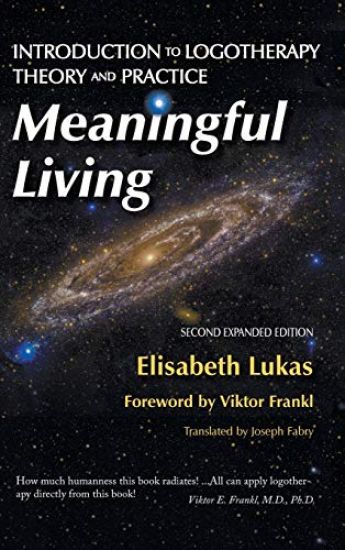
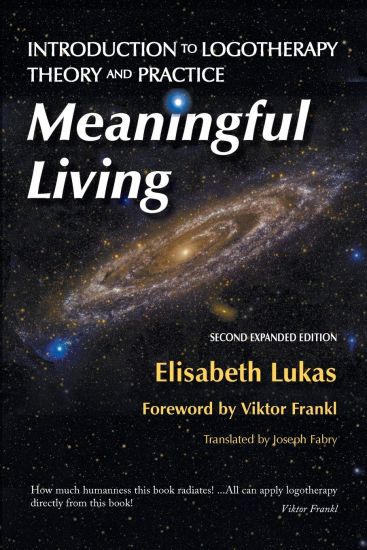
In our world, there is a growing unease, a sense of frustration and anxiety among individuals from all walks of life. There is a gnawing feeling that maybe there must be something more than "success," a promotion, the latest technology, a new car. The question that comes to mind is "is this all there is?" "Could there be something more?" "Does my life have meaning?"Meaningful Living, (2nd expanded edition) by Elisabeth Lukas gives a thorough introduction to the theory and practice of logotherapy. Individual chapters detail the application of modulation of attitudes, paradoxical intention, dereflection, and the suggestive technique. Numerous case studies are used to illuminate the theory throughout. Elisabeth Lukas and Bianca Hirsch present a concise overview of logotherapy theory and praxis in the second part.Excerpts from the book: There is an order in the universe despite chaos, destruction, and injustice. In this worldview, all of creation is full of meaning, and every life situation has its unique meaning, opportunities, and possibilities. (p. 164)True human freedom is never freedom from but always freedom to something. Freedom goes beyond release from rules and guidelines by outer authority. Its corollary is the freedom to follow inner authority--self-chosen tasks, commitments, goals. Freedom is not doing as we please but pleasure in doing what we consider meaningful. (p. 19)To cure and prevent worldwide meaninglessness is not merely a matter of psychotherapeutic methods or interpretation of symptoms. It is a matter of defining a new concept of human nature. (p.22)Distress does not inevitably cause psychological collapse; it may contain the possibility of finding new meanings....To solve conflicts it is not always essential to dig up childhood traumas or to focus on an unhappy past. It may be more important to widen and strengthen the inner meaning orientation of individuals so they can grow from distress situations instead of being defeated by them. Distress does not inevitably cause psychological collapse; it may contain the possibility of finding new meanings. (p. 14)
In our world, there is a growing unease, a sense of frustration and anxiety among individuals from all walks of life. There is a gnawing feeling that maybe there must be something more than "success," a promotion, the latest technology, a new car. The question that comes to mind is "is this all there is?" "Could there be something more?" "Does my life have meaning?"Meaningful Living, (2nd expanded edition) by Elisabeth Lukas gives a thorough introduction to the theory and practice of logotherapy. Individual chapters detail the application of modulation of attitudes, paradoxical intention, dereflection, and the suggestive technique. Numerous case studies are used to illuminate the theory throughout. Elisabeth Lukas and Bianca Hirsch present a concise overview of logotherapy theory and praxis in the second part.Excerpts from the book: There is an order in the universe despite chaos, destruction, and injustice. In this worldview, all of creation is full of meaning, and every life situation has its unique meaning, opportunities, and possibilities. (p. 164)True human freedom is never freedom from but always freedom to something. Freedom goes beyond release from rules and guidelines by outer authority. Its corollary is the freedom to follow inner authority--self-chosen tasks, commitments, goals. Freedom is not doing as we please but pleasure in doing what we consider meaningful. (p. 19)To cure and prevent worldwide meaninglessness is not merely a matter of psychotherapeutic methods or interpretation of symptoms. It is a matter of defining a new concept of human nature. (p.22)Distress does not inevitably cause psychological collapse; it may contain the possibility of finding new meanings....To solve conflicts it is not always essential to dig up childhood traumas or to focus on an unhappy past. It may be more important to widen and strengthen the inner meaning orientation of individuals so they can grow from distress situations instead of being defeated by them. Distress does not inevitably cause psychological collapse; it may contain the possibility of finding new meanings. (p. 14)
Newly reissued in trade paperback, from the author of the bestselling Man's Search for Meaning--the classic book in which he first laid out his revolutionary theory of logotherapy. Dr. Viktor E. Frankl is celebrated as the founder of logotherapy, a revolutionary mode of psychotherapy based on the essential human need to search for meaning in life. Even while suffering the degradation and misery of Nazi concentration camps--an experience he described in his bestselling memoir, Man's Search for Meaning--Frankl retained his belief that the most important freedom is the ability to determine one's spiritual well-being. After his liberation, he published The Doctor and the Soul, the first book in which he explained his method and his conviction that the fundamental human motivation is neither sex (as in Freud) nor the need to be appreciated by society (as in Adler), but the desire to live a purposeful life. Frankl's work represented a major contribution to the field of psychotherapy, and The Doctor and the Soul is essential to understanding it.