Kirjojen hintavertailu. Mukana 12 595 353 kirjaa ja 12 kauppaa.

Kirjailija

Vivek M.Patil

Kirjat ja teokset yhdessä paikassa: 2 kirjaa, julkaisuja vuodelta 2009, suosituimpien joukossa Information Technology in Veterinary Science. Vertaile teosten hintoja ja tarkista saatavuus suomalaisista kirjakaupoista.

2 kirjaa

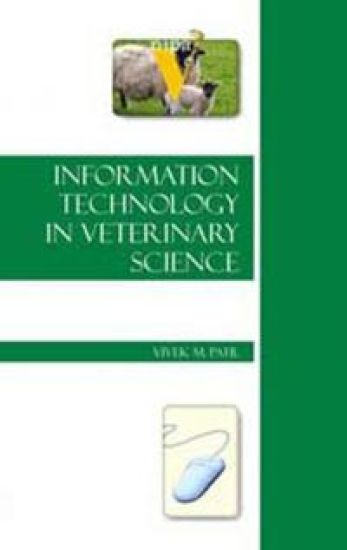
Information Technology in Veterinary Science

Information Technology in Veterinary Science

Vivek M.Patil

New India Publishing Agency
2009
sidottu
In the 21st century, Information Technology (IT) has permeated all areas of life, including veterinary science. With the advent of computer-aided learning, IT-enabled devices, and the internet, the exposure of veterinary students to IT has increased significantly. Veterinary scientists routinely utilize advanced equipment with computer interfaces for their research. In many states, field veterinarians utilize computers and the internet for compiling data for sample surveys, livestock census, technical reports, and human resource management. This has led to the creation of a new field of science called Veterinary Informatics. This book covers not only the fundamentals of IT, such as understanding computers and software, but also its practical applications in veterinary science, including livestock health care, disease monitoring and surveillance, telemedicine, and veterinary hospital management software. It also includes a separate section on internet usage, internet resources, online library resources, and social networking, along with a classified list of useful websites. The book also covers e-learning and the application of IT in improving veterinary education. The language and expression used are simple, making it easy for individuals with no previous knowledge of computers to comprehend the concepts. Screenshots and illustrations have been used to further explain certain ideas. A glossary of commonly-used IT terms is also included for easy reference. The future of veterinary science will involve the use of concepts such as hospital management software, management information systems, paperless office, internet-enabled diagnosis, real-time disease monitoring and surveillance, geographical information systems, and telemedicine. This book aims to raise awareness of these concepts and provide veterinarians with the necessary skills to face future challenges.
Information Technology in Veterinary Science

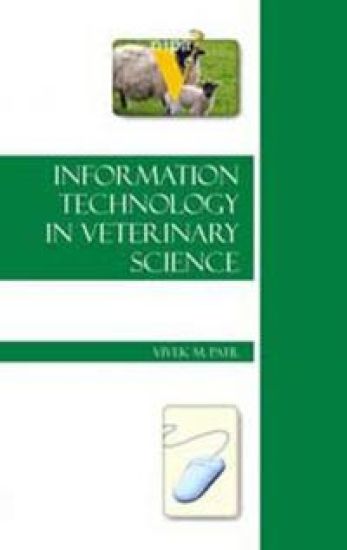
Information Technology in Veterinary Science

Vivek M.Patil

New India Publishing Agency
2009
nidottu
In the twenty-first century, Information Technology (IT) has permeated all aspects of life, including veterinary science. The exposure of veterinary students to IT has significantly increased over the years with the advent of computer-aided learning, IT-enabled devices, and the internet. Veterinary scientists routinely use advanced equipment with computer interfaces for their research. Field veterinarians in many states utilize computers and the internet for compiling data for sample surveys, livestock census, technical reports, and human resource management. This has led to the emergence of a new branch of science called Veterinary Informatics. This book covers not only the basics of IT, such as understanding computers and software, but also its various practical applications in veterinary science, such as livestock health care, disease monitoring and surveillance, telemedicine, veterinary hospital management software, and herd management software. The role of the internet in aiding veterinarians has been emphasized, and separate sections on internet usage, internet resources, online library resources, and social networking have been included, along with a classified list of useful websites. The book also covers e-learning and the application of IT in the improvement of veterinary education. The language and expression used in the book are simple, making it accessible to those with no previous knowledge of computers. Screenshots and illustrations have been used to better explain certain ideas. Many commonly-used IT terms are listed in a Glossary for easy reference. The book aims to create awareness regarding the concepts of hospital management software, management information systems, paperless office, internet-enabled diagnosis, real-time disease monitoring and surveillance, geographical information systems, and telemedicine, among others. It is anticipated that these concepts will become part of the day-to-day activities of veterinarians in the near future. This book empowers veterinarians with the necessary skills to face future challenges.