Kirjojen hintavertailu. Mukana 12 255 976 kirjaa ja 12 kauppaa.

Kirjailija

Voltaire

Kirjat ja teokset yhdessä paikassa: 1 792 kirjaa, julkaisuja vuosilta 1800-2026, suosituimpien joukossa OEuvres complètes de Voltaire 79A(II). Vertaile teosten hintoja ja tarkista saatavuus suomalaisista kirjakaupoista.

Mukana myös kirjoitusasut: - Voltaire, Voltaire., * Voltaire

1 792 kirjaa

Kirjojen julkaisuhaarukka 1800-2026.

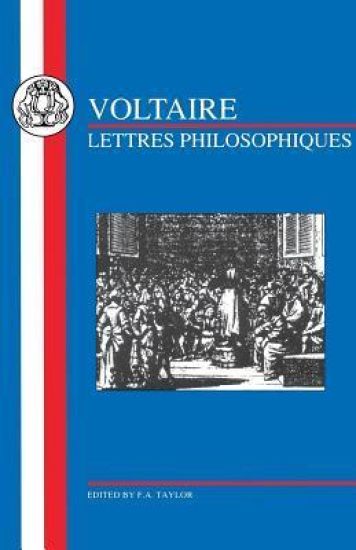
Lettres Philosophiques

Lettres Philosophiques

Voltaire

Bristol Classical Press
1998
nidottu
This is an EXACT reproduction of a book published before 1923. This ISNOT an OCR'd book with strange characters, introduced typographicalerrors, and jumbled words. This book may have occasional imperfectionssuch as missing or blurred pages, poor pictures, errant marks, etc.that were either part of the original artifact, or were introduced bythe scanning process. We believe this work is culturally important, anddespite the imperfections, have elected to bring it back into print aspart of our continuing commitment to the preservation of printed worksworldwide. We appreciate your understanding of the imperfections in thepreservation process, and hope you enjoy this valuable book
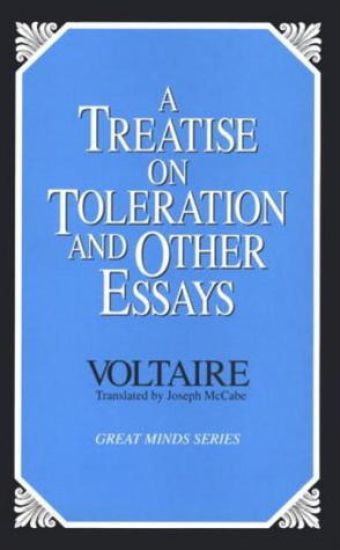
A Treatise on Toleration and Other Essays

A Treatise on Toleration and Other Essays

Voltaire; Joseph (TRN) McCabe

Prometheus Books
1994
pokkari
Voltaire (1694-1778), novelist, dramatist, poet, philosopher, historian, and satirist, was one of the most renowned figures of the Age of Enlightenment. In this collection of anti-clerical works from the last twenty-five years of Voltaire's life, he roundly attacks the philosophical optimism of the deists, the so-called inspiration of the Bible, the papacy, and vulgar superstition. These great works reveal Voltaire not only as a polemicist but also as a profound humanitarian. The selections include "Poem on the Lisbon Disaster", "We Must Take Sides", "The Questions of Zapate" and "The Sermon of the Fifty," homilies on superstition and the interpretation of the Old and New Testaments, and his famous "Treatise on Toleration".
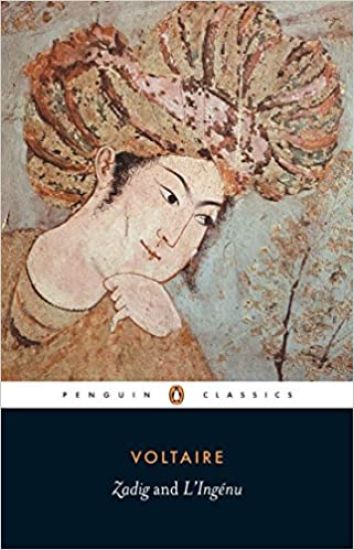
Zadig and L'Ingénu

Zadig and L'Ingénu

Voltaire

Penguin Classics
1978
pokkari
One of Voltaire's earliest tales, Zadig is set in the exotic East and is told in the comic spirit of Candide; L'Ingenu, written after Candide, is a darker tale in which an American Indian records his impressions of France
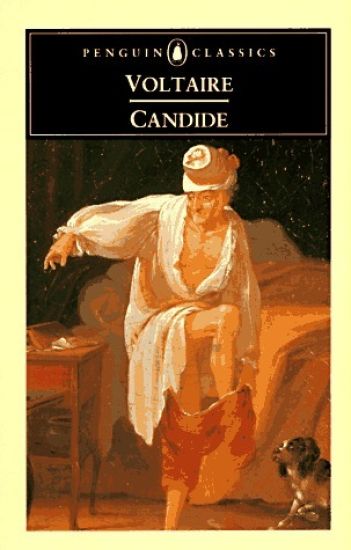
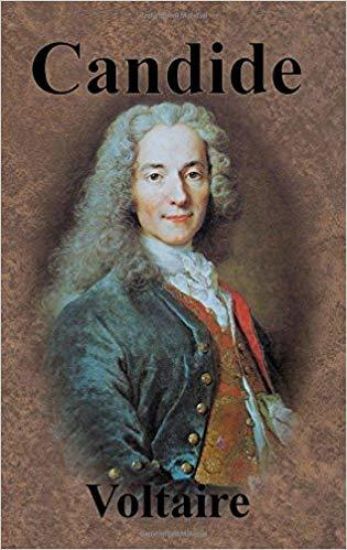
Candide or Optimism

Candide or Optimism

Voltaire

Prentice Hall
1974
isokokoinen pokkari
All is for the best in the best of all possible worldsIt was the indifferent shrug and callous inertia that this optimism concealed which so angered Voltaire, who found the all for the best approach a patently inadequate response to suffering, to natural disasters, not to mention the questions of illness and man-made war. Moreover, as the rebel whose satiric genius had earned him not only international acclaim, but two stays in the Bastille, flogging, and exile, Voltaire knew personally what suffering entailed. In Candide he whisks his young hero and friends through a ludicrous variety of tortures, tragedies, and a reversal of fortune, in the company of Pangloss, a metaphysico-theologo-comolo-nigologist of unflinching optimism. The result is one of the glories of eighteenth-century satire.For more than sixty-five years, Penguin has been the leading publisher of classic literature in the English-speaking world. With more than 1,500 titles, Penguin Classics represents a global bookshelf of the best works throughout history and across genres and disciplines. Readers trust the series to provide authoritative texts enhanced by introductions and notes by distinguished scholars and contemporary authors, as well as up-to-date translations by award-winning translators.
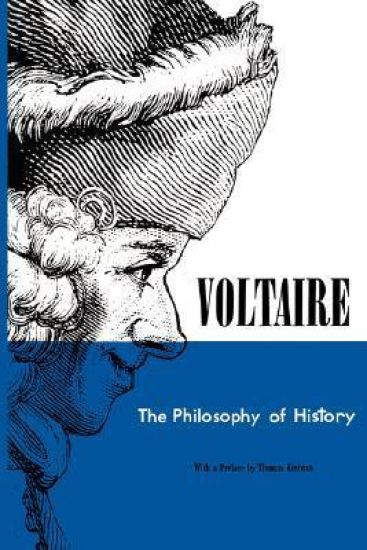
Philosophy of History

Philosophy of History

Voltaire

Philosophical Library
1965
pokkari
Have you ever wondered how different worldviews have shaped history? How dominant religious or political groups have changed the way past events have been interpreted, written, and recorded? The greatest philosophical mind to come out of the Enlightenment has tackled these very questions in his essay Philosophy of History. Voltaire attempts to reinterpret the moral, esthetic, and religious views, and the customs and practices that prevailed in ancient civilizations. His prime concern was to disprove and demolish the established notions that governed contemporary affairs, which he found to be patently ridiculous, and write with courage and conviction. In Philosophy of History, he has a philosophical look through history from different races of man to legislators who have spoken in the name of the Gods. This enthralling essay is an essential read for scholars and students of the Enlightenment. Fran ois-Marie d'Arouet, pen name Voltaire, was an eighteenth-century philosopher, writer, and activist who played a leading role in the Enlightenment. He was known for his wit, philosophical sport, and defense of civil liberties, including both freedom of religion and free trade. Born in 1694 to a well-to-do public official, Voltaire enjoyed an elite upbringing and an excellent education, and from a young age he aspired to be like his idols Moli re, Racine, and Corneille. After a brief foray in a public service career, Voltaire quickly integrated himself into the literary circles of Paris and enjoyed its libertine culture. Upon accusation of defamation, Voltaire sojourned to England, where he spent three years in exile. During this period, he discovered the English philosophers Locke and Newton and began running in the same circles as his English contemporaries Jonathan Swift and Alexander Pope. Voltaire was a prolific writer and produced works in almost every literary form, authoring plays, poetry, novels, essays, historical and scientific works, more than 20,000 letters and more than 2,000 books and pamphlets. He was an outspoken supporter of social reform, despite strict censorship laws and harsh penalties for those who broke them. A satirical polemicist, he frequently made use of his works to criticize Catholic Church dogma and the French institutions of his day. Throughout his career, Voltaire continued to develop his philosophical and political ideas while at the same time writing poetry, plays, and essays. Western philosophy, in part thanks to Voltaire and his conception of the "philosophe," was profoundly changed as the Enlightenment progressed, and Voltaire was continually honored in life and will forever be remembered in death as the greatest humanist thinker of his time.
Philosophy of History

Philosophy of History

Voltaire

Philosophical Library
1965
sidottu
Have you ever wondered how different worldviews have shaped history? How dominant religious or political groups have changed the way past events have been interpreted, written, and recorded? The greatest philosophical mind to come out of the Enlightenment has tackled these very questions in his essay Philosophy of History. Voltaire attempts to reinterpret the moral, esthetic, and religious views, and the customs and practices that prevailed in ancient civilizations. His prime concern was to disprove and demolish the established notions that governed contemporary affairs, which he found to be patently ridiculous, and write with courage and conviction. In Philosophy of History, he has a philosophical look through history from different races of man to legislators who have spoken in the name of the Gods. This enthralling essay is an essential read for scholars and students of the Enlightenment. Fran ois-Marie d'Arouet, pen name Voltaire, was an eighteenth-century philosopher, writer, and activist who played a leading role in the Enlightenment. He was known for his wit, philosophical sport, and defense of civil liberties, including both freedom of religion and free trade. Born in 1694 to a well-to-do public official, Voltaire enjoyed an elite upbringing and an excellent education, and from a young age he aspired to be like his idols Moli re, Racine, and Corneille. After a brief foray in a public service career, Voltaire quickly integrated himself into the literary circles of Paris and enjoyed its libertine culture. Upon accusation of defamation, Voltaire sojourned to England, where he spent three years in exile. During this period, he discovered the English philosophers Locke and Newton and began running in the same circles as his English contemporaries Jonathan Swift and Alexander Pope. Voltaire was a prolific writer and produced works in almost every literary form, authoring plays, poetry, novels, essays, historical and scientific works, more than 20,000 letters and more than 2,000 books and pamphlets. He was an outspoken supporter of social reform, despite strict censorship laws and harsh penalties for those who broke them. A satirical polemicist, he frequently made use of his works to criticize Catholic Church dogma and the French institutions of his day. Throughout his career, Voltaire continued to develop his philosophical and political ideas while at the same time writing poetry, plays, and essays. Western philosophy, in part thanks to Voltaire and his conception of the "philosophe," was profoundly changed as the Enlightenment progressed, and Voltaire was continually honored in life and will forever be remembered in death as the greatest humanist thinker of his time.