Kirjojen hintavertailu. Mukana 12 390 323 kirjaa ja 12 kauppaa.

Kirjailija

Walter W. Stroup

Kirjat ja teokset yhdessä paikassa: 6 kirjaa, julkaisuja vuosilta 2008-2024, suosituimpien joukossa SAS for Mixed Models. Vertaile teosten hintoja ja tarkista saatavuus suomalaisista kirjakaupoista.

Mukana myös kirjoitusasut: Walter W Stroup

6 kirjaa

Kirjojen julkaisuhaarukka 2008-2024.

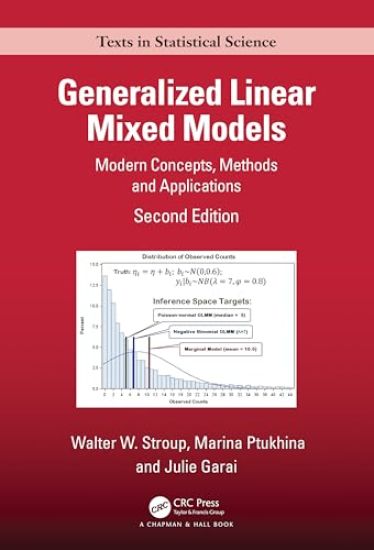
Generalized Linear Mixed Models

Generalized Linear Mixed Models

Walter W. Stroup; Marina Ptukhina; Julie Garai

Productivity Press
2024
sidottu
Generalized Linear Mixed Models: Modern Concepts, Methods, and Applications (2nd edition) presents an updated introduction to linear modeling using the generalized linear mixed model (GLMM) as the overarching conceptual framework. For students new to statistical modeling, this book helps them see the big picture – linear modeling as broadly understood and its intimate connection with statistical design and mathematical statistics. For readers experienced in statistical practice, but new to GLMMs, the book provides a comprehensive introduction to GLMM methodology and its underlying theory.Unlike textbooks that focus on classical linear models or generalized linear models or mixed models, this book covers all of the above as members of a unified GLMM family of linear models. In addition to essential theory and methodology, this book features a rich collection of examples using SAS® software to illustrate GLMM practice. This second edition is updated to reflect lessons learned and experience gained regarding best practices and modeling choices faced by GLMM practitioners. New to this edition are two chapters focusing on Bayesian methods for GLMMs.Key Features:Most statistical modeling books cover classical linear models or advanced generalized and mixed models; this book covers all members of the GLMM family – classical and advanced modelsIncorporates lessons learned from experience and on-going research to provide up-to-date examples of best practicesIllustrates connections between statistical design and modeling: guidelines for translating study design into appropriate model and in-depth illustrations of how to implement these guidelines; use of GLMM methods to improve planning and designDiscusses the difference between marginal and conditional models, differences in the inference space they are intended to address and when each type of model is appropriateIn addition to likelihood-based frequentist estimation and inference, provides a brief introduction to Bayesian methods for GLMMs
SAS for Mixed Models

SAS for Mixed Models

Walter W Stroup; George A Milliken; Elizabeth a Claassen

SAS Institute
2018
sidottu
Discover the power of mixed models with SAS. Mixed models-now the mainstream vehicle for analyzing most research data-are part of the core curriculum in most master's degree programs in statistics and data science. In a single volume, this book updates both SAS(R) for Linear Models, Fourth Edition, and SAS(R) for Mixed Models, Second Edition, covering the latest capabilities for a variety of applications featuring the SAS GLIMMIX and MIXED procedures. Written for instructors of statistics, graduate students, scientists, statisticians in business or government, and other decision makers, SAS(R) for Mixed Models is the perfect entry for those with a background in two-way analysis of variance, regression, and intermediate-level use of SAS. This book expands coverage of mixed models for non-normal data and mixed-model-based precision and power analysis, including the following topics: Random-effect-only and random-coefficients models Multilevel, split-plot, multilocation, and repeated measures models Hierarchical models with nested random effects Analysis of covariance models Generalized linear mixed models This book is part of the SAS Press program.
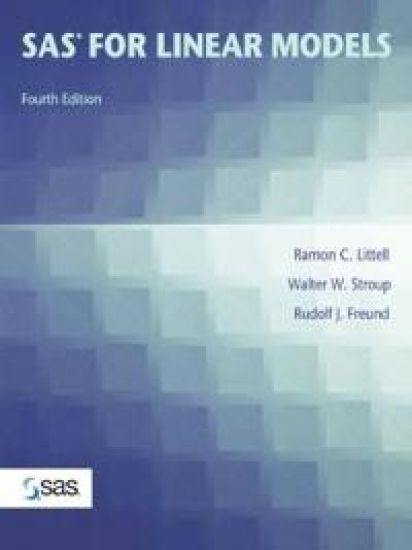
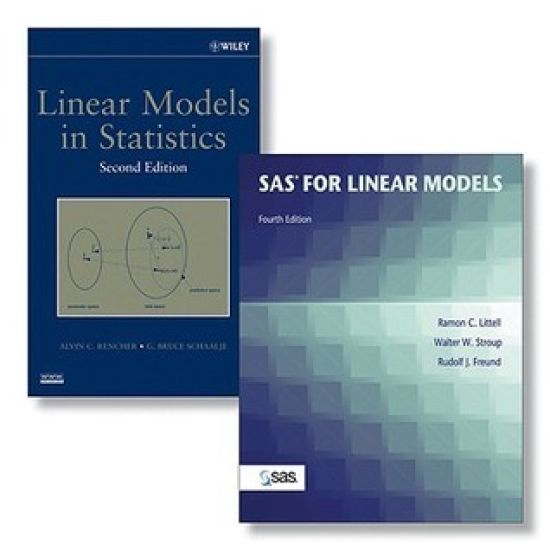
SAS for Linear Models

SAS for Linear Models

Ramon Littell; Walter W. Stroup; Rudolf Freund

John Wiley Sons Inc
2014
nidottu
Features and capabilities of the REG, ANOVA, and GLM procedures are included in this introduction to analysing linear models with the SAS System. This guide shows how to apply the appropriate procedure to data analysis problems and understand PROC GLM output. Other helpful guidelines and discussions cover the following significant areas: Multivariate linear models; lack-of-fit analysis; covariance and heterogeneity of slopes; a classification with both crossed and nested effects; and analysis of variance for balanced data. This fourth edition includes updated examples, new software-related features, and new material, including a chapter on generalised linear models. Version 8 of the SAS System was used to run the SAS code examples in the book. * Provides clear explanations of how to use SAS to analyse linear models * Includes numerous SAS outputs * Includes new chapter on generalised linear models * Uses version 8 of the SAS system This book assists data analysts who use SAS/STAT software to analyse data using regression analysis and analysis of variance. It assumes familiarity with basic SAS concepts such as creating SAS data sets with the DATA step and manipulating SAS data sets with the procedures in base SAS software.