Kirjojen hintavertailu. Mukana 12 160 734 kirjaa ja 12 kauppaa.

Kirjailija

Wendy A. Woloson

Kirjat ja teokset yhdessä paikassa: 5 kirjaa, julkaisuja vuosilta 2002-2022, suosituimpien joukossa In Hock. Vertaile teosten hintoja ja tarkista saatavuus suomalaisista kirjakaupoista.

Mukana myös kirjoitusasut: Wendy A Woloson

5 kirjaa

Kirjojen julkaisuhaarukka 2002-2022.

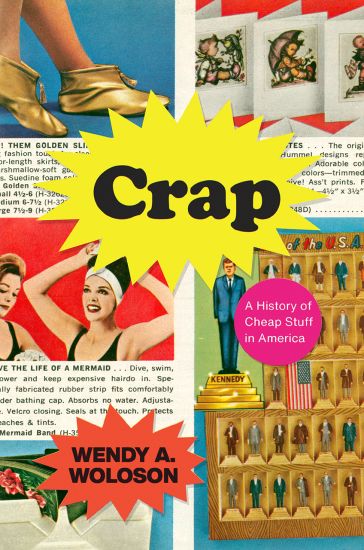
Crap

Crap

Wendy A. Woloson

THE UNIVERSITY OF CHICAGO PRESS
2022
nidottu
Crap. We all have it. Filling drawers. Overflowing bins and baskets. Proudly displayed or stuffed in boxes in basements and garages. Big and small. Metal, fabric, and a whole lot of plastic. So much crap. Abundant cheap stuff is about as American as it gets. And it turns out these seemingly unimportant consumer goods offer unique insights into ourselves—our values and our desires. In Crap: A History of Cheap Stuff in America, Wendy A. Woloson takes seriously the history of objects that are often cynically-made and easy to dismiss: things not made to last; things we don't really need; things we often don't even really want. Woloson does not mock these ordinary, everyday possessions but seeks to understand them as a way to understand aspects of ourselves, socially, culturally, and economically: Why do we—as individuals and as a culture—possess these things? Where do they come from? Why do we want them? And what is the true cost of owning them? Woloson tells the history of crap from the late eighteenth century up through today, exploring its many categories: gadgets, knickknacks, novelty goods, mass-produced collectibles, giftware, variety store merchandise. As Woloson shows, not all crap is crappy in the same way—bric-a-brac is crappy in a different way from, say, advertising giveaways, which are differently crappy from commemorative plates. Taking on the full brilliant and depressing array of crappy material goods, the book explores the overlooked corners of the American market and mindset, revealing the complexity of our relationship with commodity culture over time. By studying crap rather than finely made material objects, Woloson shows us a new way to truly understand ourselves, our national character, and our collective psyche. For all its problems, and despite its disposability, our crap is us.
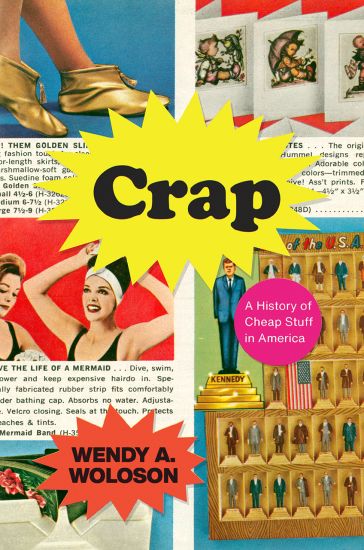
Crap

Crap

Wendy A Woloson

University of Chicago Press
2020
sidottu
Crap. We all have it. Filling drawers. Overflowing bins and baskets. Proudly displayed or stuffed in boxes in basements and garages. Big and small. Metal, fabric, and a whole lot of plastic. So much crap. Abundant cheap stuff is about as American as it gets. And, it turns out these seemingly unimportant consumer goods offer unique insights into ourselves--our values and our desires. In Crap: A History of Cheap Stuff in America, Wendy A. Woloson takes seriously the history of objects that are often cynically dismissed: things that are not made to last; things we don't really need; things we often don't even really want. Woloson does not mock these ordinary, everyday possessions, but seeks to understand them as a way to understand aspects of ourselves, socially, culturally, and economically: Why do we--as individuals and as a culture--possess these things? Where do they come from? Why do we want them? And what is the true cost of owing them? Woloson tells the history of crap from the late eighteenth century up through today, exploring the many categories of crappy things, including gadgets, knickknacks, novelty goods, mass-produced collectibles, giftware, and variety store merchandise. As Woloson shows, not all crap is crappy in the same way--decorative bric-a-brac, for instance, is crappy in a different way from, say, advertising giveaways, which are differently crappy from commemorative plates. Taking on the full brilliant and depressing array of crappy material goods, the book explores the overlooked corners of the American market and mindset, revealing the complexity of our relationship with commodity culture over time. By studying crap, rather than finely made material objects, Woloson shows us a new way to truly understand ourselves, our national character, and our collective psyche. For all its problems, and despite its disposability, our crap is us.
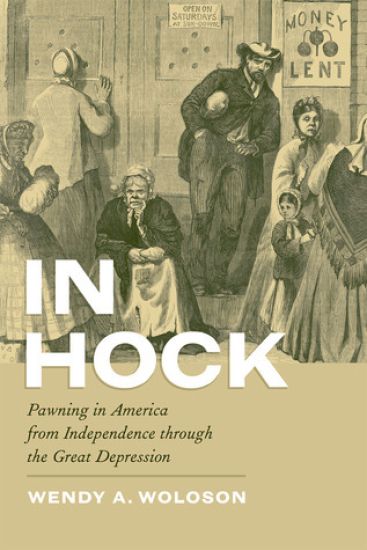
In Hock

In Hock

Wendy A. Woloson

University of Chicago Press
2012
nidottu
The definitive history of pawnbroking in the United States from the nation's founding through the Great Depression, "In Hock" demonstrates that the pawnshop was essential to the rise of capitalism. The class of working poor created by this economic tide could make ends meet only, Wendy A. Woloson argues, by regularly pawning household objects to supplement inadequate wages. Nonetheless, businessmen, reformers, and cultural critics claimed that pawnshops promoted vice, and employed anti-Semitic stereotypes to cast their proprietors as greedy and cold-hearted. Using personal correspondence, business records, and other rich archival sources to uncover the truth behind the rhetoric, Woloson brings to life a diverse cast of characters and shows that pawnbrokers were in fact shrewd businessmen, often from humble origins, who possessed sophisticated knowledge of a wide range of goods in various resale markets. A much-needed new look at a misunderstood institution, "In Hock" is both a first-rate academic study of a largely ignored facet of the capitalist economy and a resonant portrait of the economic struggles of generations of Americans.
In Hock

In Hock

Wendy A. Woloson

University of Chicago Press
2010
sidottu
Puncturing the myth of the seamy storefront stocked with stolen watches and overseen by a shifty proprietor, "In Hock" reveals that pawnshops have long played an integral role in Americans' economic lives. The definitive history of pawn-broking in the United States from the nation's founding through the Great Depression, this volume demonstrates that the practice was inextricably intertwined with the rise of capitalism. The class of working poor begotten by this economic tide could make ends meet, Wendy A. Woloson argues, only by regularly visiting pawnshops to supplement their inadequate wages. Nonetheless, businessmen, reformers, and cultural critics berated the shops for promoting vice and used anti-Semitic stereotypes to cast their proprietors as greedy and cold-hearted. Parsing and subverting these caricatures, Woloson shows that pawnbrokers were in fact shrewd businessmen, often from humble origins, who honed sophisticated knowledge of a wide range of goods and their values in different markets. In the process, she paints a resonant portrait of the generations of Americans whose struggle for economic survival often depended on an institution that has remained, until now, woefully misunderstood.
Refined Tastes

Refined Tastes

Wendy A. Woloson

Johns Hopkins University Press
2002
sidottu
American consumers today regard sugar as a mundane and sometimes even troublesome substance linked to hyperactivity in children and other health concerns. Yet two hundred years ago American consumers treasured sugar as a rare commodity and consumed it only in small amounts. In Refined Tastes: Sugar, Confectionery, and Consumers in Nineteenth-Century America, Wendy A. Woloson demonstrates how the cultural role of sugar changed from being a precious luxury good to a ubiquitous necessity. Sugar became a social marker that established and reinforced class and gender differences. During the eighteenth and early nineteenth centuries, Woloson explains, the social elite saw expensive sugar and sweet confections as symbols of their wealth. As refined sugar became more affordable and accessible, new confections-children's candy, ice cream, and wedding cakes-made their way into American culture, acquiring a broad array of social meanings. Originally signifying male economic prowess, sugar eventually became associated with femininity and women's consumerism. Woloson's work offers a vivid account of this social transformation-along with the emergence of consumer culture in America.