Kirjailija
Werner Busch
Kirjat ja teokset yhdessä paikassa: 8 kirjaa, julkaisuja vuosilta 1979-2026, suosituimpien joukossa Schicksalsfähigkeit und Weisheit. Vertaile teosten hintoja ja tarkista saatavuus suomalaisista kirjakaupoista.
8 kirjaa
Kirjojen julkaisuhaarukka 1979-2026.
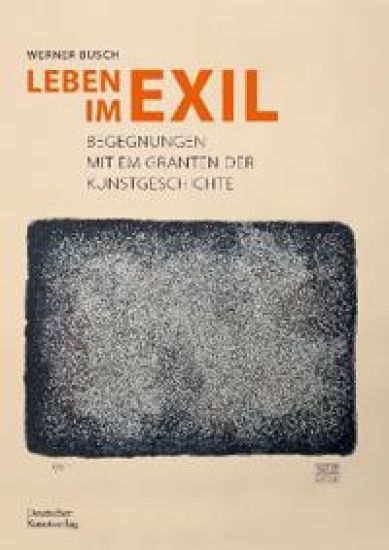
This book is based on personal encounters with emigrants from the history of art, almost all of them Jewish. In addition to the history of emigration, it focuses on the handling of art. Meetings have taken place with university teachers and museum curators, with collectors and dealers with the successful, and with those who did not succeed because of the circumstances but still sought some form of existence. The first prerequisite for this book was her own place and date of birth: Prague in 944. What could be said about the German occupation, and what consequences did the situation have for the life of the writer's own family? The second was preparation for her dissertation at the Warburg Institute in London, the German art history institute for emigrants, in 97 /7 . Look inside Experiences of emigration History of European art Memoirs
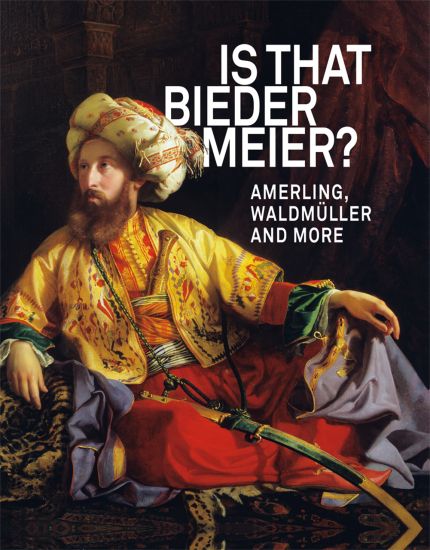
IS THAT BIEDERMEIER?
Agnes Husslein-Arco; Eszter Békefi; Werner Busch; Elke Doppler; Udo Felbinger; Sabine Grabner; Brigitte Hauptner; Fernando Mazzocca; Kasper Monrad; Stéphane Paccoud; Arnika Schmidt; Radim Vondrácek; Christian Witt-Dörring
Hirmer Verlag
2017
sidottu
This volume illustrates the development of art in Central Europe from 1830 – 1860 – a period which begins in the age of Biedermeier but extends well beyond it. It shows by means of a selection of representative works how art at this time developed independently and was not restricted to the historical Biedermeier era. DESCRIPTION “Is that Biedermeier?”, we often ask of pictures which date from the same period but do not look typically Biedermeier. The publication concentrates on these works in particular by showi ng the wide range of painting in the years between 1830 – 1860 through portraits, landscapes and genre pictures. The main focus lies on Austrian painters like Ferdinand Georg Waldmüller, Rudolf von Alt and Friedrich von Amerling, together with artists from N orthern Italy, Hungary, Bohemia and Slovenia including Giuseppe Tominz, József Borsos, Bedrich Havránek and Francesco Hayez. There are also references to the changes in style in furniture production at that time, which also demonstrated a remarkable divers ity.