
Kirjailija
Werner Herzog
Kirjat ja teokset yhdessä paikassa: 41 kirjaa, julkaisuja vuosilta 1962-2026, suosituimpien joukossa Every Night the Trees Disappear. Vertaile teosten hintoja ja tarkista saatavuus suomalaisista kirjakaupoista.
41 kirjaa
Kirjojen julkaisuhaarukka 1962-2026.
What if a lie is told to reveal some underlying truth? Are feelings that seem inappropriate, such as the hysteria following the death of a celebrity, any less real or true than the grief we feel over the death of a loved one? Even if the plot of an opera seems preposterous, can’t it still express strong human emotions that ring true with the audience?At the heart of the book lies Werner Herzog’s concept of ‘ecstatic truth’ – a truth that is often hidden behind the facts and our conceptions of reality but can be gleaned through the poetic imagination, in art, literature and cinema, when we open ourselves up to an aesthetic experience.Written in Herzog’s inimitable tyle, the stories, anecdotes and reflections take us from present-day deep fakes and the opportunities and perils of AI to Ancient Egyptian and Rome, where rulers resorted to lies and propaganda in the same way as governments do today; from Scott’s and Amundson’s race to the South Pole to alien abduction stories and the making of Herzog’s own films.With its singular vision and unique voice, The Future of Truth is an iconoclastic meditation on the relationship between fact and fiction, evidence and the imagination, by one of the most fascinating and idiosyncratic thinkers in the world today.
From legendary filmmaker and author Werner Herzog, a compact, effervescent, and deeply personal exploration of art, philosophy, and history that unravels one of our most elusive and contested questions: What is truth--and how to find it in our "post-truth" era? For over half a century, Werner Herzog has challenged, enriched, and expanded our understanding of the truth. His films and books have mixed fiction and nonfiction, documentary and drama, reality and imagination. Invariably, Herzog goes beyond the appearance of what is true in search of a higher truth, or what he has often referred to as the "ecstatic truth." In The Future of Truth, a great artist essays an answer to one of humanity's deepest, most eternal questions. At a moment when deepfake AI videos are proliferating, and most people have simply thrown up their hands in despair at the ubiquity of what we now know as fake news--not to mention the constant lying and propagandizing from certain public figures--Herzog seeks a remedy. Mixing memoir, history, politics, poetry, science, and fierce opinion, he writes with dazzling originality and panache, urging readers to be unflagging and imaginative in the pursuit of truth, endless though the quest may be: I don't think truth is some kind of polestar in the sky that we will one day get to. It's more like an incessant striving. A movement, an uncertain journey, a seeking full of futile endeavor. But it is this journey into the unknown, into a vast twilit forest, that gives our lives meaning and purpose; it is what distinguishes us from the beasts in the fields.
A fever-dream journal documenting the making of cinema’s most infamous production, from the world's most infamously visionary director: Werner Herzog. In 1982, the visionary film director, Werner Herzog, released Fitzcarraldo, a lavish film about a would-be rubber baron who pulls a 320-ton steamship over a mountain. Hailed instantly by critics around the globe as a masterpiece, Fitzcarraldo won Herzog the 1982 Outstanding Director Prize at the Cannes Film Festival, affirming Herzog's reputation as one of the most revered and enigmatic filmmakers of his time.Conquest of the Useless is the diary Herzog kept during the making of Fitzcarraldo, compiled from June 1979 to November 1981. Emerging as if out of an Amazonian fever dream during filming, Herzog's writings are an extraordinary documentary unto themselves. Strange and otherworldly events are recounted by the filmmaker. The crew's camp in the heart of the jungle is attacked and burned to the ground; the production of the film clashes with a border war; and, of course, Herzog unravels the impossible logistics of moving a 320-ton steamship over a hill without the use of special effects.In his preface, Herzog warns that the diary entries collected in Conquest of the Useless do not represent "reports on the actual filming" but rather "inner landscapes, born of the delirium of the jungle." Thus begins an extraordinary glimpse into the mind of a genius during the making of one of his greatest achievements.
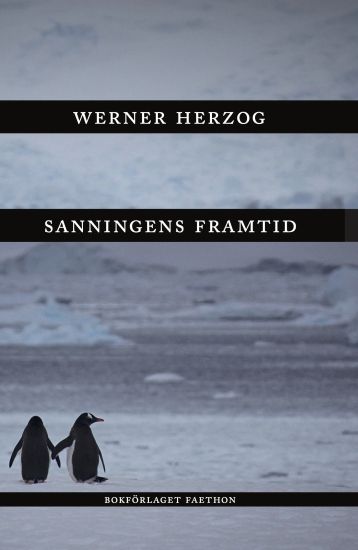
Den store historieberättaren Werner Herzog ställer frågor om det märkligaste av alla berättelser: sanningen. Vad är sant? I en värld som plågas av falska nyheter, politiskt manipulerande och artificiell intelligens, som förlitar sig på kalla fakta och ändå har uppfunnit poesi och film, måste sanning betyda mer än bara platt empirism. Från en fantasiseger för faraon Ramses till den moderna myten om utomjordingars kidnappningar, från extatiska ögonblick under en filminspelning till möten med verkligheten under dagslånga vandringar, sammanför Werner Herzog sina fascinerande reflektioner och minnen på ett unikt sätt. En bok för alla som vill förundras.»Sanning, det är det ingen som vet vad det är. Författaren vet det allra minst, men filosoferna har inte heller något svar, och inte matematikerna, och påven i Rom har inget, även om han kan luta sig mot frälsningssanningen och frälsningsförvissningen.En sak bara: jag ser inte sanningen som en fixstjärna som har sin fasta punkt i fjärran och går att nå. Jag betraktar snarare sanningen som en ständig strävan att närma sig den. Som en rörelse mot den, som en resa in i det okända, som ett mödosamt och fåfängt sökande. Men denna färd in i det okända, in i en stor, ändlös, dunkel skog, skänker oss mening och värdighet, det är den som skiljer oss från korna på ängen.« Så inleder Werner Herzog sin fascinerande bok om sanningen och dess olika former. Efter ett liv i konstens tjänst har den store regissören sammanställt sina tankar om sanningen och dess betydelse.
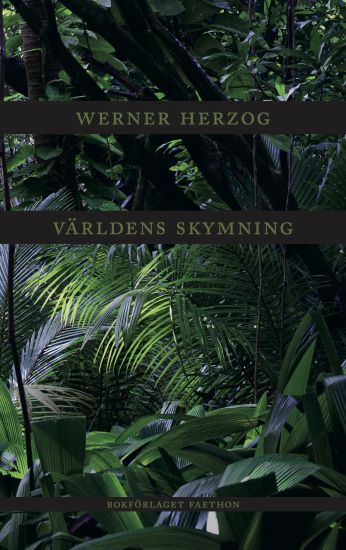
Likt en spöke gömmer sig Hiroo Onoda i djungelns urskog. Först kämpar han tillsammans med andra soldater, men slutligen är han ensam kvar. Det är en kamp med såväl naturen som de egna demonerna. Ovan blinkande satelliter, röster från en radio, ett skepp som passerar, människor och soldater på avstånd: ur delar skapar han sig en bild av världens förändring. Författaren Werner Herzog har själv träffat denne soldat i Japan. Hans bok om Onoda är glödande bilddans, där vår existens mening och vansinne flyter samman. »Var han på den tiden en sömngångare, eller drömde han det som var idag, som var nuet? På Lubang funderade han ofta på detta. Det fanns inga bevis för att han var vaken när han var vaken, och inga bevis för att han drömde när han drömde. En skymningsvärld.« Hiroo Onoda var en ung man när Japan kapitulerade för USA och andra världskriget slutade. Hiroo Onoda var en gammal man när äntligen också hans eget krig slutade. Årtionden efter kapitulationen fortsatte han att försvara en obetydlig ö i Stilla havet.
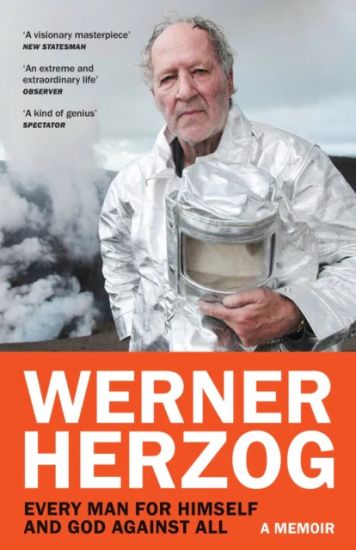
Werner Herzog is the undisputed master of extreme cinema: building an opera house in the middle of the jungle; walking from Munich to Paris in the dead of winter; descending into an active volcano; living in the wilderness among grizzly bears - he has always been intrigued by the extremes of human experience.From his early movies to his later documentaries, he has made a career out of exploring the boundaries of human endurance: what we are capable of in exceptional circumstances and what these situations reveal about who we really are. But these are not just great cinematic themes. During the making of his films, Herzog pushed himself and others to the limits, often putting himself in life-threatening situations.As a child in rural Bavaria, a single loaf of bread had to last his family all week. The hunger and deprivation he experienced during his early years perhaps explain his fascination with the limits of physical endurance.All his life, Herzog would embrace risk and danger, constantly looking for challenges and adventures.Filled to the brim with memorable stories and poignant observations, Every Man for Himself and God against All unveils the influences and ideas that drive his creativity and have shaped his unique view of the world. This book tells, for the first time, the story of his extraordinary and fascinating life.
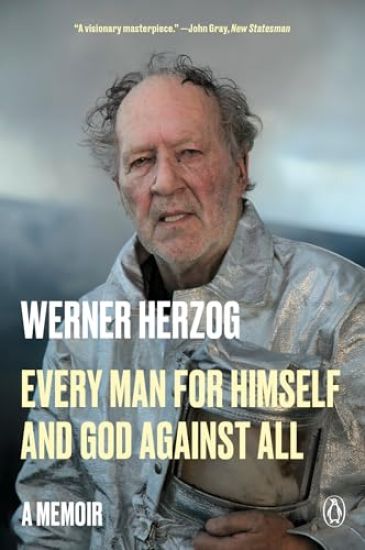
Legendary filmmaker and celebrated author Werner Herzog tells in his inimitable voice the story of his epic artistic career in a long-awaited memoir that is as inventive and daring as anything he has done before Werner Herzog was born in September 1942 in Munich, Germany, at a turning point in the Second World War. Soon Germany would be defeated and a new world would have to be made out the rubble and horrors of the war. Fleeing the Allied bombing raids, Herzog's mother took him and his older brother to a remote, rustic part of Bavaria where he would spend much of his childhood hungry, without running water, in deep poverty. It was there, as the new postwar order was emerging, that one of the most visionary filmmakers of the next seven decades was formed. Until age 11, Herzog did not even know of the existence of cinema. His interest in films began at age 15, but since no one was willing to finance them, he worked the night shift as a welder in a steel factory. He started to travel on foot. He made his first phone call at age 17, and his first film in 1961 at age 19. The wildly productive working life that followed--spanning the seven continents and encompassing both documentary and fiction--was an adventure as grand and otherworldly as any depicted in his many classic films. Every Man for Himself and God Against All is at once a personal record of one of the great and self-invented lives of our time, and a singular literary masterpiece that will enthrall fans old and new alike. In a hypnotic swirl of memory, Herzog untangles and relives his most important experiences and inspirations, telling his story for the first and only time.
I november 1974 modtager Werner Herzog et opkald fra Paris. Lotte Eisner, den berømte filmhistoriker, er alvorligt syg. Herzog beslutter sig for at gå fra München til Paris alene, udstyret kun med en rygsæk, et kompas og en notesbog. Han lover sig selv, at hvis han kan gå hele vejen - en 800 kilometer lang tur - vil 'Eisnerinden' overleve. Trods kulden, sneen og de udfordringer, Herzog møder undervejs, fortsætter han mod Paris. Han kæmper mod tørst, smertefulde ben, betændte akillessener, storm og regn, men hans krop fortsætter. Om at gå i is med undertitlen München – Paris, 23.11. til 14.12.1974 er en bemærkelsesværdig bog om livet og døden og ikke mindst den indsigt, man får fra kroppen. Det er en historie om landskabet og dets beboere samt forfatterens egne indre kampe. En film skabt med ord, en litterær klassiker. Werner Herzog (f. 1942) er fra Sachrang i Bayern. Han er kendt som filminstruktør og har lavet både dokumentarfilm og spillefilm. Til hans mest kendte film hører Auch Zwerge haben klein angefangen, Aguirre, der Zorn Gottes, Stroszek, Fitzcarraldo, Grizzly Man og Encounters at the End of the World. Til hans værk hører også en række bøger, blandt andre Die Eroberung des Nutzlosen, Tusmørkets verden, selvbiografien Hver for sig og Gud mod alle og ikke mindst Om at gå i is.
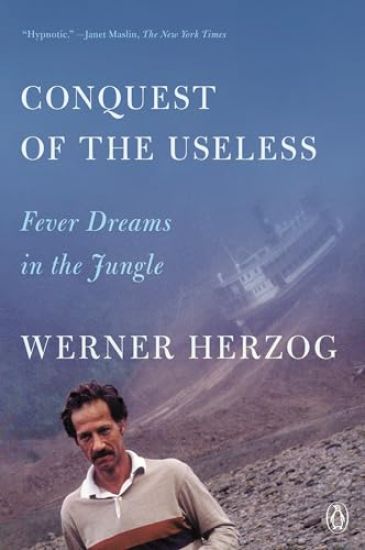
Newly repackaged as a Penguin paperback, Conquest of the Useless, the legendary filmmaker Werner Herzog's diary of the making of Fitzcarraldo, one of his most revered and classic films In 1982, the visionary directory Werner Herzog released Fitzcarraldo, a lavish film about a would-be rubber baron who pulls a 320-ton steamship over a mountain. It was hailed instantly by critics around the globe as a masterpiece and won Herzog the 1982 Outstanding Director Prize at the Cannes Film Festival, affirming Herzog's reputation as one of the most revered and enigmatic filmmakers of his time. Conquest of the Useless is the diary Herzog kept during the making of Fitzcarraldo, compiled from June 1979 to November 1981. Emerging as if out of an Amazonian fever dream during filming, Herzog's writings are an extraordinary documentary unto themselves. Strange and otherworldly events are recounted by the filmmaker. The crew's camp in the heart of the jungle is attacked and burned to the ground; the production of the film clashes with a border war; and, of course, Herzog unravels the impossible logistics of moving a 320-ton steamship over a hill without the use of special effects. In his preface, Herzog warns that the diary entries collected in Conquest of the Useless do not represent "reports on the actual filming" but rather "inner landscapes, born of the delirium of the jungle." Thus begins an extraordinary glimpse into the mind of a genius during the making of one of his greatest achievements.



Den verdensberømte og grænsesøgende filminstruktør Werner Herzogs liv har været usædvanligt begivenhedsrigt. Men hans velskrevne erindringer, som udkom på tysk i anledning af hans 80-års fødselsdag i 2023, er langt mere end en genfortælling af udvalgte episoder fra hans liv.Ukonventionelle og følsomme med en allestedsnærværende livslyst giver de en unik indsigt i et væld af dramatiske og bevægende øjeblikke og begivenheder – et liv, som han med sine egne ord end ikke ville have kunnet filmatisere, selv med mere end 50 film i bagagen.I Hver for sig og Gud mod alle beskriver Herzog arbejdet med disse film, så vi oplever os helt inde i ‘maskinrummet’. Men bogen er så meget mere end der. Den rummer dybe refleksioner over centrale begivenheder i verden siden anden verdenskrig og er et litterært værk i sin egen ret.

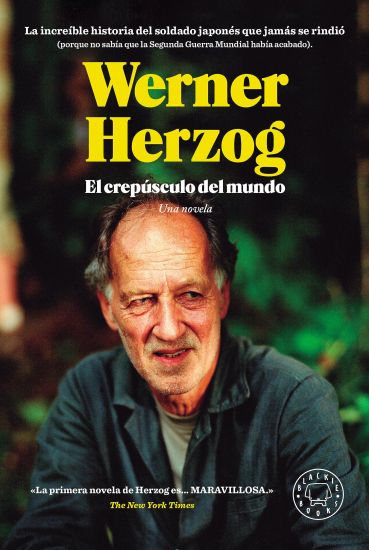
El Crepúsculo del Mundo: La Increíble Historia del Soldado Japonés Que Jamás Se Rindió / The Twilight World
Werner Herzog
Blackie Books
2023
nidottu
Una de las historias m s fascinantes de todos los tiempos, contada por el mejor narrador de todos los tiempos. La primera novela de Herzog, nuestro mayor genio vivo. El pensador m s intr pido, divertido y profundo de los ltimos tiempos. La incre ble historia del soldado japon s que jam s se rindi (porque no sab a que la Segunda Guerra Mundial hab a acabado). Todas y cada una de las historias de Herzog las podr a contar cualquiera en un bar, frente a una chimenea, en una sala acad mica, y atrapar an la atenci n del p blico. Pero el caso es que, cuando las narra Herzog, se convierten en nicas y m gicas y nos hablan del alma del ser humano. De qui nes somos en realidad. --Se or Herzog --me dijo--. El emperador quiere invitarlo a una audiencia privada. A menos que no pueda permitirse distracciones antes del estreno, claro. -- Cielo santo --respond --. No tengo ni idea de c mo hablarle al emperador. La conversaci n acabar a siendo un intercambio insustancial de f rmulas de cortes a. Sent la mano de mi esposa Lena sobre la m a, pero ya era demasiado tarde. Hab a rehusado la invitaci n. Fue un paso en falso, tan est pido y descomunal que todav a hoy me averg enza. Todos los que estaban sentados a la mesa se quedaron petrificados. Nadie parec a respirar. Todas las miradas cayeron al suelo, se apartaron de m , y un largo silencio congel el ambiente. Pens que, en ese instante, todo Jap n conten a el aliento. Una voz rompi el silencio: -- A qui n le gustar a conocer en Jap n, entonces? Sin pensarlo, dije: --A Onoda. Onoda? Onoda? --S --dije--, a Hiroo Onoda. Una semana m s tarde, lo conoc . ENGLISH DESCRIPTION The great filmmaker Werner Herzog in his first novel tells the incredible story of Hiroo Onoda, a Japanese soldier who defended a small island in the Philippines for twenty-nine years after the end of World War II. In 1997, Werner Herzog was in Tokyo to direct an opera. His hosts asked him, Whom would you like to meet? He replied instantly: Hiroo Onoda. Onoda was a former soldier famous for having quixotically defended an island in the Philippines for decades after World War II, unaware the fighting was over. Herzog and Onoda developed an instant rapport and met many times, talking and unraveling the story of Onoda's long war. At the end of 1944 on Lubang Island, with Japanese troops about to withdraw, Onoda stayed behind under orders from his superior officer. For years, Onoda continued to fight his fictitious war--at first with other soldiers, and then, finally, alone, a character in a novel of his own making. In The Twilight World, Herzog immortalizes and imagines Onoda's years of absurd yet epic struggle in an inimitable, hypnotic style--part documentary, part poem, and part dream--that will be instantly recognizable to fans of his films. The result is a novel completely unto itself: a glowing, dancing meditation on the purpose and meaning we give our lives.
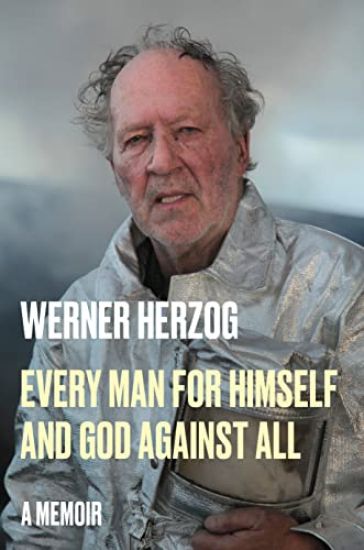
Legendary filmmaker and celebrated author Werner Herzog tells in his inimitable voice the story of his epic artistic career in a long-awaited memoir that is as inventive and daring as anything he has done before Werner Herzog was born in September 1942 in Munich, Germany, at a turning point in the Second World War. Soon Germany would be defeated and a new world would have to be made out the rubble and horrors of the war. Fleeing the Allied bombing raids, Herzog's mother took him and his older brother to a remote, rustic part of Bavaria where he would spend much of his childhood hungry, without running water, in deep poverty. It was there, as the new postwar order was emerging, that one of the most visionary filmmakers of the next seven decades was formed. Until age 11, Herzog did not even know of the existence of cinema. His interest in films began at age 15, but since no one was willing to finance them, he worked the night shift as a welder in a steel factory. He started to travel on foot. He made his first phone call at age 17, and his first film in 1961 at age 19. The wildly productive working life that followed--spanning the seven continents and encompassing both documentary and fiction--was an adventure as grand and otherworldly as any depicted in his many classic films. Every Man for Himself and God Against All is at once a personal record of one of the great and self-invented lives of our time, and a singular literary masterpiece that will enthrall fans old and new alike. In a hypnotic swirl of memory, Herzog untangles and relives his most important experiences and inspirations, telling his story for the first and only time.

Den verdensberømte tyske filminstruktør Werner Herzog debuterer som skønlitterær forfatter med denne fascinerende fortælling, som er halvt autentisk, halvt fiktiv, om den tapre og til døden loyale japanske soldat Hiroo Onoda.Lige før anden verdenskrigs afslutning, på den filippinske ø Lubang, fik Onoda ordre til at opbygge en guerillastyrke i junglen og ALDRIG overgive sig … 29 år senere kom han nødtvunget ud af junglen igen, stadig overbevist om, at krigen var i gang.I et næsten meditativt sprog udødeliggør Werner Herzog Onodas kamp for overlevelse dybt inde i junglen under umulige eksistensvilkår mod den ikke længere eksisterende fjende. En glødende, dansende fortælling om meningen med livet.
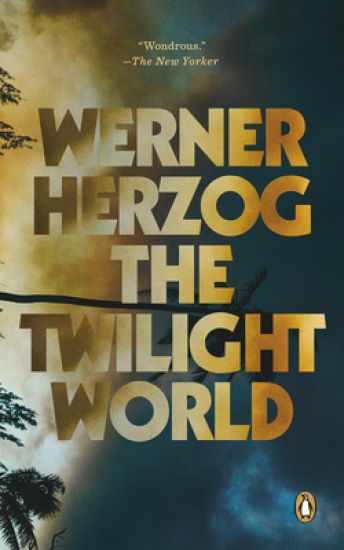
"A potent, vaporous fever dream; a meditation on truth, lie, illusion, and time that floats like an aromatic haze through Herzog's vivid reconstruction of Onoda's war." --The New York Times Book Review The national bestseller by the great filmmaker Werner Herzog. The great filmmaker Werner Herzog, in his first novel, tells the incredible story of Hiroo Onoda, a Japanese soldier who defended a small island in the Philippines for twenty-nine years after the end of World War II In 1997, Werner Herzog was in Tokyo to direct an opera. His hosts asked him, Whom would you like to meet? He replied instantly: Hiroo Onoda. Onoda was a former soldier famous for having quixotically defended an island in the Philippines for decades after World War II, unaware the fighting was over. Herzog and Onoda developed an instant rapport and met many times, talking and unraveling the story of Onoda's long war. At the end of 1944 on Lubang Island, with Japanese troops about to withdraw, Onoda stayed behind under orders from his superior officer. For years, Onoda continued to fight his fictitious war--at first with other soldiers, and then, finally, alone, a character in a novel of his own making. In The Twilight World, Herzog immortalizes and imagines Onoda's years of absurd yet epic struggle in an inimitable, hypnotic style--part documentary, part poem, and part dream--that will be instantly recognizable to fans of his films. The result is a novel completely unto itself: a glowing, dancing meditation on the purpose and meaning we give our lives.