
Kirjailija
Whitney Monaghan
Kirjat ja teokset yhdessä paikassa: 7 kirjaa, julkaisuja vuosilta 2016-2026, suosituimpien joukossa Australian Queer Screens. Vertaile teosten hintoja ja tarkista saatavuus suomalaisista kirjakaupoista.
7 kirjaa
Kirjojen julkaisuhaarukka 2016-2026.

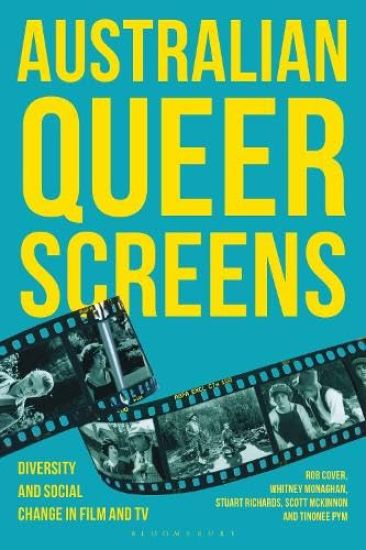
Australian Queer Screens
Rob Cover; Whitney Monaghan; Stuart Richards; Scott McKinnon; Tinonee Pym
BLOOMSBURY PUBLISHING PLC
2026
nidottu
This is the first book-length study of Australia’s rich history of LGBTQ+ film and television, covering histories, production, screen representation and audience identities. Despite a long-standing international field of queer media studies, Australian scholarship has only recently emerged. Screen diversity in Australia is important to cultural policy, education and social harmony. This book presents new scholarship on the role and significance of gender- and sexually-diverse characters, themes and narratives on Australian screens, as Australian film and television has a very rich history of representing LGBTQ+, gender- and sexually-diverse characters, stories and themes. The chapters in this book cover a broad range of areas to provide a comprehensive overview of LGBTQ+ film and television in Australia, including: the history and formation of LGBTQ+ screen representation in such film and TV series as Dad and Dave Come To Town, Lovers and Luggers, Cop Shop, Division 4, and Homicide; production perspectives and challenges, including insights from screen writers and actors; the significance of LGBTQ+ film festivals as part of Australian cultural heritage; analyses of key Australian queer film and TV series to draw out themes that foreground their ‘Australianness’, including The Set, Victims, and Boys in the Band, among others; and perspectives on audience and culture, including the utility and value of LGBTQ+ screen representation to identity, belonging and social change.
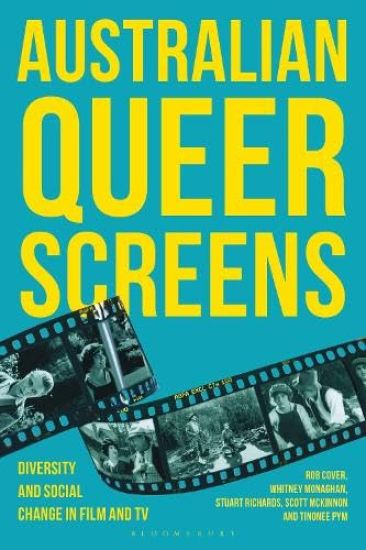
Australian Queer Screens
Rob Cover; Whitney Monaghan; Stuart Richards; Scott McKinnon; Tinonee Pym
BLOOMSBURY PUBLISHING PLC
2026
sidottu
This is the first book-length study of Australia’s rich history of LGBTQ+ film and television, covering histories, production, screen representation and audience identities. Despite a long-standing international field of queer media studies, Australian scholarship has only recently emerged. Screen diversity in Australia is important to cultural policy, education and social harmony. This book presents new scholarship on the role and significance of gender- and sexually-diverse characters, themes and narratives on Australian screens, as Australian film and television has a very rich history of representing LGBTQ+, gender- and sexually-diverse characters, stories and themes. The chapters in this book cover a broad range of areas to provide a comprehensive overview of LGBTQ+ film and television in Australia, including: the history and formation of LGBTQ+ screen representation in such film and TV series as Dad and Dave Come To Town, Lovers and Luggers, Cop Shop, Division 4, and Homicide; production perspectives and challenges, including insights from screen writers and actors; the significance of LGBTQ+ film festivals as part of Australian cultural heritage; analyses of key Australian queer film and TV series to draw out themes that foreground their ‘Australianness’, including The Set, Victims, and Boys in the Band, among others; and perspectives on audience and culture, including the utility and value of LGBTQ+ screen representation to identity, belonging and social change.
This short textbook provides an introduction to queer theory, exploring its key genealogies and terms as well as its application across various academic disciplines and to contemporary life more generally.The authors engage with a wide range of developments in queer theory thinking including discussions of identity politics, transgender theory, intersectionality, post-colonial theory, Indigenous studies, disability studies, affect theory, and more.In offering an updated reflection on the present tensions that queer theory must negotiate, as well as its unfolding future(s), Queer Theory Now is an ideal resource for anyone starting out on their queer theory journey; for students who want to get a grasp of the basic concepts, for teachers looking for a textbook for their queer theory course, or for scholars who want a quick go-to resource for key queer theory ideas and terms.
This short textbook provides an introduction to queer theory, exploring its key genealogies and terms as well as its application across various academic disciplines and to contemporary life more generally.The authors engage with a wide range of developments in queer theory thinking including discussions of identity politics, transgender theory, intersectionality, post-colonial theory, Indigenous studies, disability studies, affect theory, and more.In offering an updated reflection on the present tensions that queer theory must negotiate, as well as its unfolding future(s), Queer Theory Now is an ideal resource for anyone starting out on their queer theory journey; for students who want to get a grasp of the basic concepts, for teachers looking for a textbook for their queer theory course, or for scholars who want a quick go-to resource for key queer theory ideas and terms.
This book takes up the queer girl as a represented and rhetorical figure within film, television and video. In 1987, Canada’s Degrassi Junior High featured one of TV’s first queer teen storylines. Contained to a single episode, it was promptly forgotten within both the series and popular culture more generally. Cut to 2016 – queer girls are now major characters in films and television series around the globe. No longer represented as subsidiary characters within forgettable storylines, queer girls are a regular feature of contemporary screen media. Analysing the terms of this newfound visibility, Whitney Monaghan provides a critical perspective on this, arguing that a temporal logic underpins many representations of queer girlhood. Examining an archive of screen texts that includes teen television series and teenpics, art-house, queer and independent cinemas as well as new forms of digital video, she expands current discourse on both queer representation and girls’ studies bylooking at sexuality through themes of temporality. This book, the first full-length study of its kind, draws on concepts of boredom, nostalgia and transience to offer a new perspective on queer representation in contemporary screen media.