Kirjailija
William C. Davis
Kirjat ja teokset yhdessä paikassa: 26 kirjaa, julkaisuja vuosilta 1981-2021, suosituimpien joukossa Flight into Oblivion. Vertaile teosten hintoja ja tarkista saatavuus suomalaisista kirjakaupoista.
Mukana myös kirjoitusasut: William C Davis
26 kirjaa
Kirjojen julkaisuhaarukka 1981-2021.
Hanna begins with General Lee's fatal telegram and the hasty exodus of Jefferson Davis and high officials to Danville, then Greensboro and Charlotte. From there the Confederate Cabinet dispersed, and the author follows each man's adventurous course in detail. Most of the fugitives headed for the pine barrens and scrub lands of Florida but were soon apprehended. Only John C. Breckinridge and Judah P. Benjamin successfully escaped, outwitting Federal officials and pirates along their way to Cuba. A classic work that makes for fabulous, spirited reading, Flight Into Oblivion, first published in 1938, soars once again accompanied by William Davis's crackling new introduction.
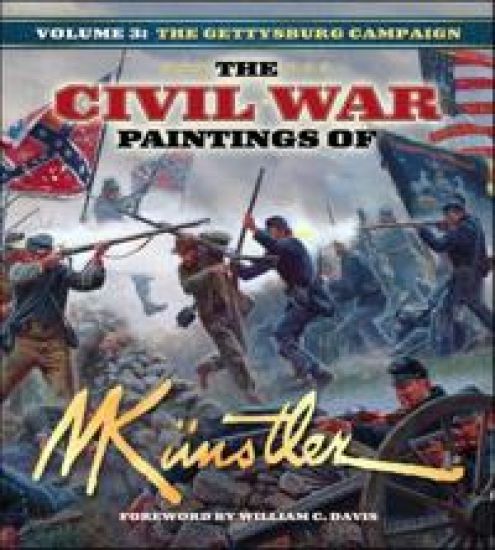
The Civil War Paintings of Mort Knstler Volume 3
Mort Kunstler; William C. Davis
Turner Publishing Company
2021
sidottu
For nearly thirty years, Mort Künstler has focused his considerable artistic talent on interpreting the Civil War. In crafting his work to reflect poignant moments or critical instances of the conflict, he has turned to leading historians and scholars, such as Henry Steele Commager, James McPherson, William C. Davis, and James I. Robertson Jr. for informative details that he has then translated on canvas to create an indelible image of this defining ordeal in America's history. More that 160 of these images supplemented by preliminary sketches, early studies, and photographs of works in progress are the basis for the four volumes in this series.
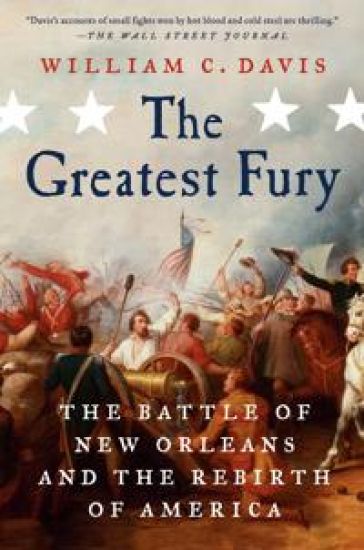
"Davis's accounts of small fights won by hot blood and cold steel are thrilling."--The Wall Street Journal From master historian William C. Davis, the definitive story of the Battle of New Orleans, the fight that decided the ultimate fate not only of the War of 1812 but the future course of the fledgling American republic It was a battle that could not be won. Outnumbered farmers, merchants, backwoodsmen, smugglers, slaves, and Choctaw Indians, many of them unarmed, were up against the cream of the British army, professional soldiers who had defeated the great Napoleon and set Washington, D.C., ablaze. At stake was nothing less than the future of the vast American heartland, from the Gulf Coast to the Great Lakes, as the ragtag American forces fought to hold New Orleans, the gateway of the Mississippi River and an inland empire. Tipping the balance of power in the New World, this single battle irrevocably shifted the young republic's political and cultural center of gravity and kept the British from ever regaining dominance in North America. In this gripping, comprehensive study of the Battle of New Orleans, William C. Davis examines the key players and strategy of King George's Red Coats and Andrew Jackson's makeshift "army." A master historian, he expertly weaves together narratives of personal motivation and geopolitical implications that make this battle one of the most impactful ever fought on American soil.
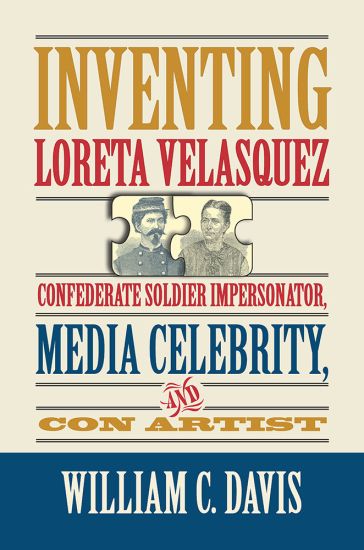
This groundbreaking biography of Loreta Janeta Velasquez delves into the life of one of America’s early celebrities. She claimed to have posed as a man to fight for the Confederacy, but this book reveals a startling reality that's even more implausible than the myths she created.
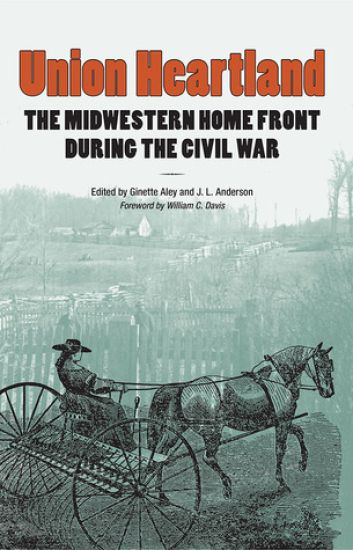
Historians have broadened the interpretation of the US Civil War as a battle between the North and the South by revealing the “many Souths” that made up the Confederacy, but the “North” has remained largely undifferentiated as a geopolitical term. In this welcome collection, seven Civil War scholars offer a unique regional perspective on the Civil War by examining how a specific group of Northerners—Midwesterners, known as Westerners and Middle Westerners during the 1860s—experienced the war on the home front. From the exploitation of Confederate prisoners in Ohio to wartime college enrolment in Michigan, these essays reveal how Midwestern men, women, families, and communities became engaged in myriad war-related activities and support.Agriculture figures prominently in the collection, with several contributors exploring the agricultural power of the region and the impact of the war on farming, farm families, and farm women. Contributors also consider student debates and reactions to questions of patriotism, the effect of the war on military families’ relationships, issues of women’s loyalty and deference to male authority, as well as the treatment of political dissent and dissenters.
The Battle of Antietam: A Civil War Times Illustrated Special, August, 1962
William C. Davis
Literary Licensing, LLC
2011
nidottu
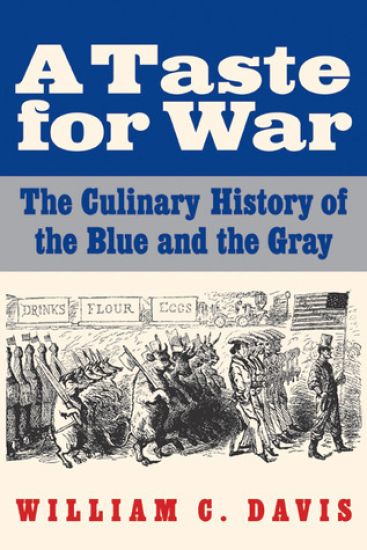
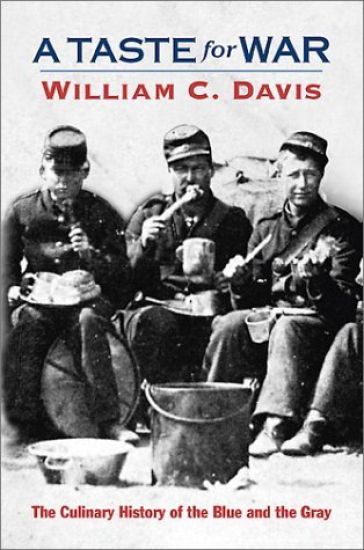
For soldiers in all wars, mealtime is a focal point of the day. Armies do indeed "march on their stomachs," as Napoleon said. Soldiers of the Civil War armies, many away from home and mothers' and wives' cooking for the first time, were thrown back on their own resources both to prepare their own meals and often to stock their larders. No one in America, North or South, was prepared for the massive task of acquiring and distributing the uncountable tons of foodstuffs necessary to keep almost three million men fed. And yet food and mealtime were the dominant topics of interest and conversation, and the fodder for a great deal of the war lore. A Taste for War looks at what soldiers ate during the Civil War, where they got it, how they prepared it, and what they thought of it. Leavened with first-person accounts of finding and preparing food, A Taste for War includes more than two hundred recipes drawn from soldiers' letters and diaries and from the few cookery guides furnished them by their governments. The recipes are adapted with instructions for modern preparation that allow readers to recreate the distinctive flavors and aromas of the Civil War.
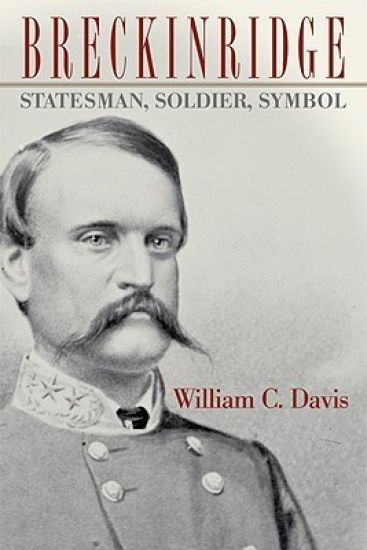
John C. Breckinridge rose to prominence during one of the most turbulent times in our nation's history. Widely respected, even by his enemies, for his dedication to moderate liberalism, Breckinridge's charisma and integrity led to his election as Vice President at age 35, the youngest ever in America's history. After a decade of being out-of-print, Breckinridge: Statesman, Soldier, Symbol returns as the quintessential biography of one of Kentucky's great moderates. Historian William C. Davis sheds light on Breckinridge's life throughout three key periods, spanning his career as a celebrated statesman, heroic soldier, and proponent of the reconciliation. A true Kentucky hero, "Old Breck's" bravery in battle, dedication to the pursuit of truth, and unique ability to win the loyalty of others rank him alongside Henry Clay and Simon Kenton. Drawing from a remarkable collection of sources, including previously unknown documents and letters, as well as the papers of his associates and extensive aid from the Breckinridge family, Davis presents the legacy of a man often overlooked.
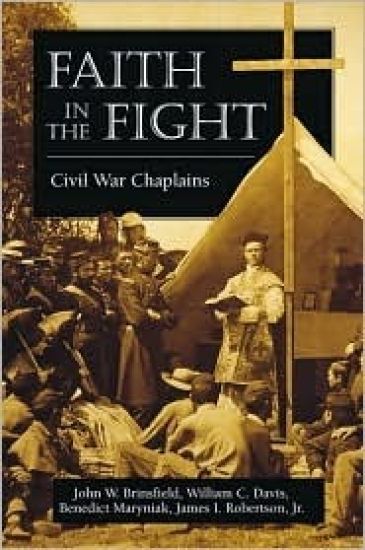
Faith in the Fight
James I. Robertson; Benedict Maryniak; William C. Davis; John W. Brinsfield
Stackpole Books
2008
nidottu
For both Union and Confederate soldiers, religion was the greatest sustainer of morale in the Civil War, and faith was a refuge in a great time of need. Guarding and guiding the spiritual well-being of the fighters, army chaplains were a voice of hope and reason in an otherwise chaotic military existence. Here for the first time, encompassing the depth and breadth of their dedication and sacrifice, is their fascinating and uplifting story.
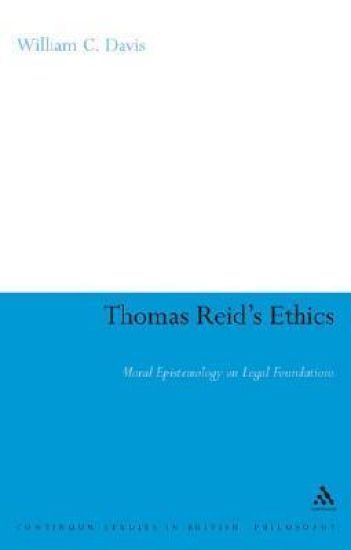
Thomas Reid (1710-96) was one of the most daring and original thinkers of the eighteenth century. His work became the cornerstone of the Scottish School of Common Sense Philosophy, and was highly influential in nineteenth-century America; it also anticipated the thinking of such twentieth-century figures as Moore and Wittgenstein. Now, after a long period of neglect, his philosophy is again the subject of increasing attention across the world. For Reid, knowing about ethics is a matter of having 'good evidence' supplied by a sense-like moral faculty. William Davis's book shows how such a view can be both consistent and plausible in the twenty-first century. "Thomas Reid's Ethics" begins by characterizing the state of moral epistemology at the time when Reid was writing. It goes on to recount Reid's central claims about the moral sense, and describes the various problems that confront those who would explain and defend his views. Davis lays the foundation for resolving these difficulties by detailing an epistemological conception of evidence, which parallels the legal conception of evidence used by the Scottish courts of Reid's day. He, then, shows how Reid's claims about evidence and self-evidence are best understood in light of this legal model. The book concludes by responding to recent worries about 'moral sense' theories, and offers a final assessment of the success of Reid's ethical project. The book will be of substantial interest not only to Reid scholars and historians of philosophy, but also to specialists and students in contemporary ethics.
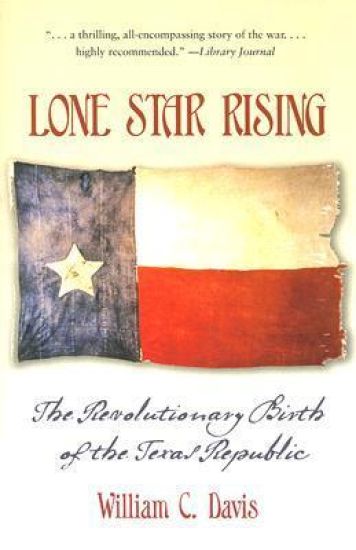
In the whirlwind of revolutions in the Americas, the Texas Revolution stands at the confluence of northern and southern revolts. On the battlefield and in the political aftermath, settlers from the United States struggled with those who brought revolutionary ideas from Latin America and arms from Mexico. In the midst of the conflict stood the Tejanos who had made Texas home for generations. This masterpiece of narrative and analysis, first published in hardback in 2004, brings the latest scholarship to bear on the oldest questions. Well-known characters such as Sam Houston, Stephen F. Austin, and General Santa Anna - and the cultures they represented - are etched in sharp and very human relief as they carve out the republic whose Lone Star rose in 1836 and changed the course of a continent.
We know the uniforms they wore, the weapons they carried, and the battles they fought, but what did they eat and, of even greater curiosity, was it any good? Now, for the very first time, the food that fuelled the armies of the North and the South and the soldiers' opinions of it - ranging from the sublime to just slime - is front and centre in a biting, fascinating look at the Civil War as written by one of its most respected historians. There's even a comprehensive 'cookbook' of actual recipes included for those intrepid enough to try a taste of the Civil War.
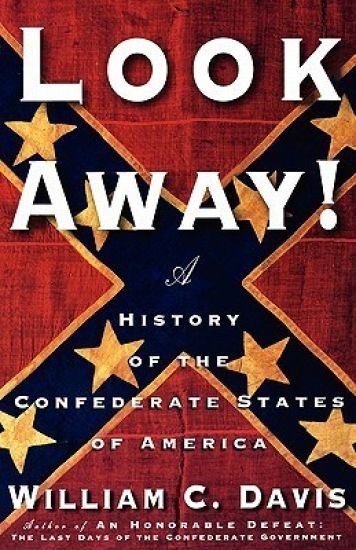
William C. Davis, "one of the best and most prolific historians of the American Civil War" (James M. McPherson, author of Battle Cry of Freedom), offers a definitive portrait of the Confederacy unlike any other. Drawing on decades of writing and research among an unprecedented number of archives, ranging from the 800-odd newspapers in operation during the war to the personal writings of more than 100 leaders and common citizens, Davis reveals the Confederacy through the words of the Confederates themselves. Look Away! recounts all the epic sagas -- as well as those little-known and long-forgotten -- about a desperate government that socialized the salt industry, rangers and marauders who preyed on their fellow Confederates, and the systematic breakdown of law and order in some states. A dramatic, definitive account of one of our nation's most searing episodes, Look Away! shows us a South divided against itself, unable to stand.
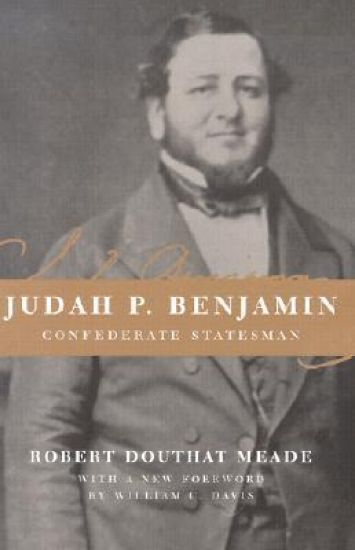
Judah P. Benjamin
Robert Douthat Meade; William C. Davis
Louisiana State University Press
2001
nidottu
A rare Sephardic Jew in the Old South and a favorite of Jefferson Davis, Judah P. Benjamin has been described as ""the brains of the Confederacy."" He held three successive Confederate cabinet posts- attorney general, secretary of war, and secretary of state- but some have questioned Benjamin's loyalty to Davis and the extent of his influence. More than 140 years after Benjamin first appeared on the Confederate scene, historians still debate his place in the history of the Lost Cause. Robert Douthat Meade's absorbing account of the life of this enigmatic Civil War figure, who built a second brilliant career in England after the war, remains the definitive study of Benjamin.
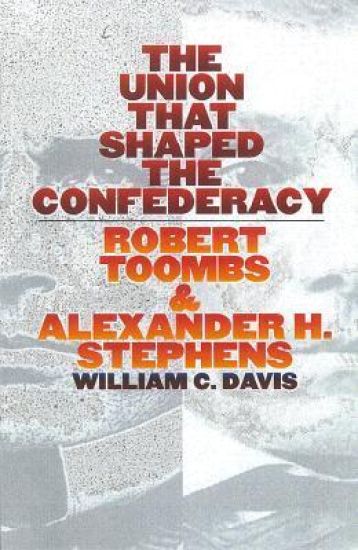
Born into different social classes, Robert Toombs and Alexander H. Stephens, became fast friends and together changed the course of the South. They dominated the formation of the Confederacy and served as its vice president and secretary of state.
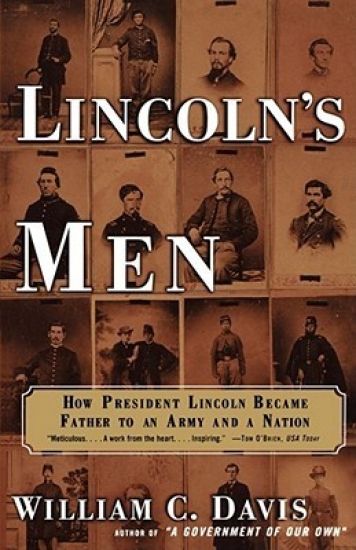
No American president has enjoyed as intimate a relationship with the soldiers in his army as did the man they called "Father Abraham." In Lincoln's Men, historian William C. Davis draws on thousands of unpublished letters and diaries -- the voices of the volunteers -- to tell the hidden story of how a new and untested president became "Father" throughout both the army and the North as a whole. How did Lincoln inspire the faith and courage of so many shattered men, as they wandered the inferno of Shiloh or were entrenched in the siege of Vicksburg? Why did soldiers visiting Washington feel free to stroll into the White House as if it were their own home? In this through and authoritative work, Davis removes layers of mythmaking to recapture the real moods and feelings of an army facing one of history's bloodiest conflicts. Lincoln's Men casts a new light on our most famous president and on America's revolution -- on our country's father and its rebirth.
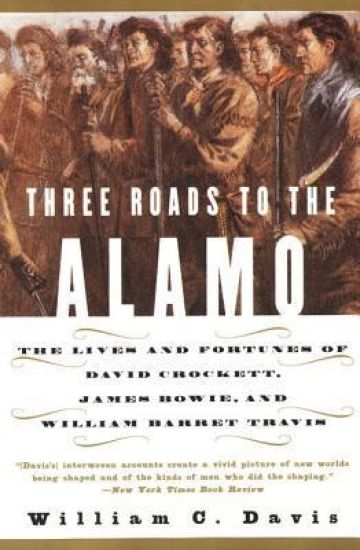
William C. Davis's Three Roads to the Alamo is far and away the best account of the Alamo I have ever read. The portraits of Crockett, Bowie, and Travis are brilliantly sketched in a fast-moving story that keeps the reader riveted to the very last word. -- Stephen B. OatesThree Roads to the Alamois the definitive book about the lives of David Crockett, James Bowie and William Barret Travis--the legendary frontiersmen and fighters who met their destiny at the Alamo in one of the most famous and tragic battles in American history--and about what really happened in that battle.
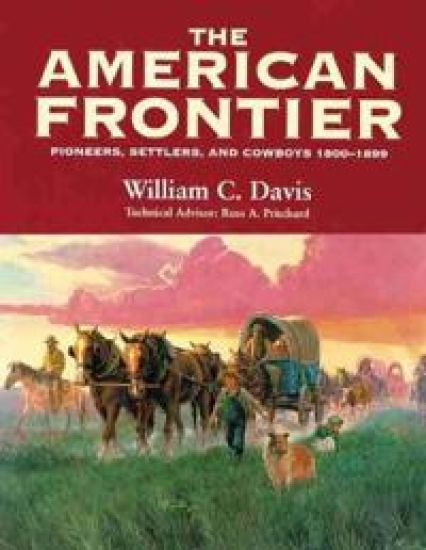
In The American Frontier, historian William C. Davis masterfully chronicles the history of the territory beyond the Mississippi, with particular attention to exploration, expansion, conflict, and settlement. The first bold steps of Lewis and Clark in 1804 inspired the emergence of a nation in a momentous century of migration and settlement. During the next few decades, while Texas and California fought to be free of Mexican rule, the slow spread westward began: the Mormons in Utah, the '49ers in California, and the development of stage routes, railways, and other overland trails. With the end of the Civil War, in 1865, people of all nations and tongues sped to the West--the pioneers, trappers, entrepreneurs, buffalo hunters, miners, soldiers, gamblers, cowboys, lawmen, gunfighters.
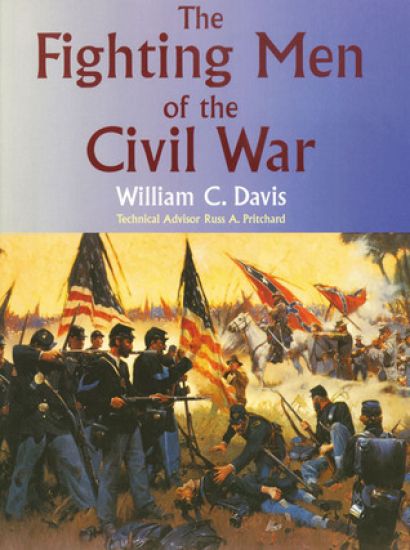
Documents the everyday life of the common soldier during the Civil War, including information on what life was like for the soldiers in basic training, combat, and imprisonment.
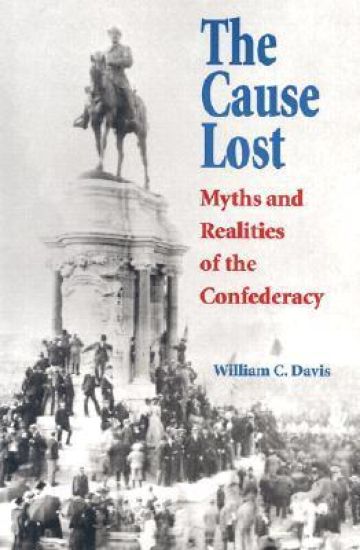
For nearly a quarter of a century, Pulitzer Prize nominee William C. Davis has been one of our best writers on the Civil War. His books—including Breckinridge: Statesman, Soldier, Symbol; Jefferson Davis: The Man and His Hour; and "A Government of Our Own": The Making of the Confederacy—have garnered numerous awards and enlightened and entertained an avid readership. The Cause Lost extends that tradition of excellence with provocative new insights into the myths and realities of an endlessly fascinating subject.In these pages, Davis brings into sharp focus the facts and fictions of the South's victories and defeats, its tenacious struggle to legitimize its cause and defeat an overpowering enemy, and its ultimate loss of will. He debunks long-standing legends, offers irrefutable evidence explaining Confederate actions, and contemplates the idealism, naiveté, folly, and courage of the military leadership and would-be founding fathers.Among the most misunderstood, Davis contends, was Jefferson Davis. Often branded as enigmatic and incompetent, the Confederate president was simply a decent and committed leader whose mistakes were magnified by the war's extraordinary demands. Davis scrutinizes Jefferson Davis' relationship with his generals-most of whom were unproved talents or cronies with proven deficiencies-and reveals why only Robert E. Lee succeeded in winning Davis' confidence through flattery, persuasion, and a sense of responsibility. He also examines the myths and memories of the nearly deified Stonewall Jackson and John C. Breckinridge, the only effective Confederate secretary of war.Davis also illustrates why the cause of the war—a subject of long-standing controversy—boils down to the single issue of slavery; why Southerners, ninety percent of whom didn't own slaves, were willing to join in the battle to defend their homeland; how the personalities, tactics, and styles of the armies in the turbulent West differed greatly from those in the East; what real or perceived turning points influenced Southern decision making; and how mythology and misinterpretations have been perpetuated through biography, history, literature, and film.Revealing the Confederacy's myths for what they really are, Davis nevertheless illustrates how much those myths inform our understanding of the Civil War and its place in Southern and American culture.