Kirjojen hintavertailu. Mukana 12 595 353 kirjaa ja 12 kauppaa.
Kirjailija
William C. Kashatus
Kirjat ja teokset yhdessä paikassa: 32 kirjaa, julkaisuja vuosilta 1990-2026, suosituimpien joukossa Lou Gehrig. Vertaile teosten hintoja ja tarkista saatavuus suomalaisista kirjakaupoista.
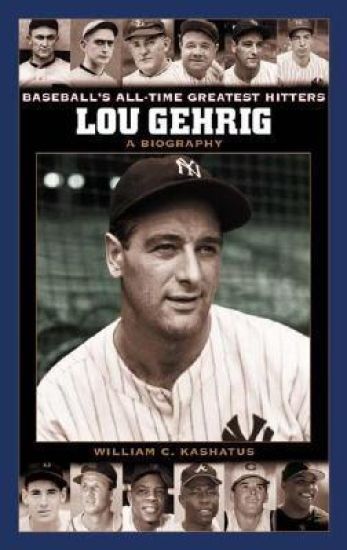
Lou Gehrig's record for consecutive games played stood for decades until Cal Ripken Jr. broke it in 1995. Most people remember Gehrig for this record, or for the disease that claimed his life (and now bears his name). But what many forget is how prolific a hitter he was. The son of German immigrants, Gehrig rose from inauspicious beginnings to become a scholar-athlete at Columbia University, and then moved to Major League Baseball, where he knocked in almost 2,000 runs and helped his team win six world championships. William Kashatus recounts the perserverance and poise of a life which ended tragically, yet heroically. Written in cooperation with George Pollack, the lawyer for the Gehrig estate, this biography provides a valuable addition to the study of an enduring American sports legend. The final chapters analyze the creation of the player's legend through literature and film and also update the reader on the on-going fight against ALS.
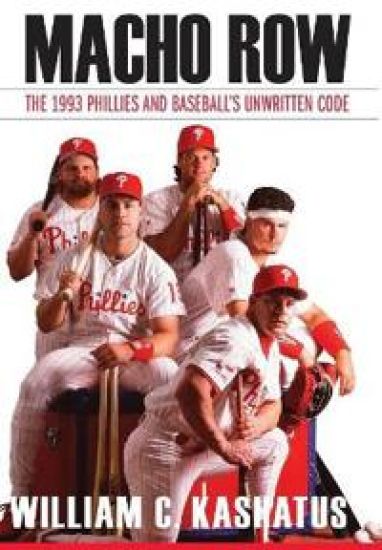
The [1993] Phillies were loud, irreverent, and politically incorrect. Macho Row vividly re-creates their rowdy, memorable season, warts and all.-Paul Hagen, former baseball writer for the Philadelphia Daily NewsColorful, shaggy, and unkempt, misfits and outlaws, the 1993 Phillies played hard and partied hard. Led by Darren Daulton, John Kruk, Lenny Dykstra, and Mitch Williams, it was a team the fans loved and continue to love today. Focusing on six key members of the team, Macho Row follows the remarkable season with an up-close look at the players’ lives, the team’s triumphs and failures, and what made this group so unique and so successful. With a throwback mentality, the team adhered to baseball’s Code. Designed to preserve the moral fabric of the game, the Code’s unwritten rules formed the bedrock of this diehard team whose players paid homage and respect to the game at all times. Trusting one another and avoiding ideas of superstardom, they consistently rubbed the opposition the wrong way and didn’t care. William C. Kashatus pulls back the covers on this old-school band of brothers, depicting the highs and lows and their brash style while also digging into the suspected steroid use of players on the team. Macho Row is a story of winning and losing, success and failure, and the emotional highs and lows that accompany them.
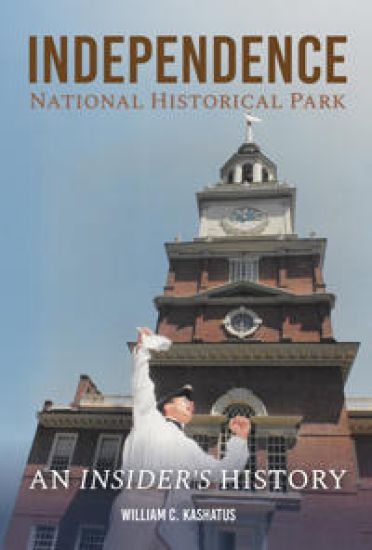
An in-depth examination of the major historical events that occurred at Independence Hall, Carpenters’ Hall, Congress Hall, and Franklin Court, among other park sites, as well as the founding fathers who shaped those events. An ideal companion for those who desire more than the brief overviews presented in tourists’ guidebooks. Lavishly illustrated with prints from the INHP collections, the book is based on primary source documents, including - Journals of Congress; - Records of the Pennsylvania Assembly; - contemporaneous newspaper accounts; - the diaries and papers of such founding fathers as Benjamin Franklin, George Washington, John Adams, and Thomas Jefferson; and - more-recent scholarship on early American history. What distinguishes the book from other similar works is that it’s an insider’s account of the history that took place in INHP, written by a former park ranger and now volunteer who holds a doctorate in early American history and taught the subject for 35 years at the prep school, undergraduate, and graduate levels.
Blue-Eyed Soul Brother tells the life story of NFL All-Pro free safety Bill Bradley, who was known on the gridiron as much for his fierce competitiveness as he was for his whimsical nonconformity off it. Bradley was among the first NFL players to hold out for a bigger salary and challenge the status quo with his long hair, bushy mustache, and free-spirited lifestyle. Beginning in high school, Bradley stood up for the civil rights of his Black teammates and was instrumental in breaking down the color barrier in Texas high school football. A highly recruited scholastic quarterback, Bradley played for the University of Texas Longhorns for three seasons. Unable to run the Wishbone offense, Bradley was demoted and switched to defensive back, where he reinvented himself as a ball hawk. After being drafted by the lowly Philadelphia Eagles, he became a triple threat who punted, returned, and played free safety and was the first player to lead the NFL in interceptions in consecutive seasons. After a thirty-year coaching career in the World Football, Canadian Football, and National Football Leagues, Bradley retired to his native Texas. There, he and his wife, Susan, cared for their son, Matt, a talented college quarterback who became a paraplegic after a savage assault by a drunk college student. Matt made a heroic eleven-year effort to regain the use of his voice and motor skills before he died in 2020. Today, Bradley is engaged in another struggle, this one with memory loss and other cognitive impairments caused by the many concussions he suffered during his nine-year playing career in the NFL. But he is determined to live his life to the fullest.Blue-Eyed Soul Brother is the inspirational story of a man whose contagious enthusiasm for life raised the spirits of those around him in both good and bad times-a story about the resilience of the human spirit in the face of personal tragedy, and a story to remember when life doesn’t appear to be going your way.
Tells the story of a remarkable people whose active commitment to religious freedom, social diversity, and peace has had a profound impact on American society and government. Philadelphia Quakers: A Brief History is a concise but insightful account of the Religious Society of Friends, beginning with their founding in mid-seventeenth-century England. Persecuted for his non-conformist beliefs, William Penn, in 1682, established a refuge for Quakers in his New World colony of Pennsylvania. Philadelphia became the capital city of Penn's utopian colony dedicated to the ideals of religious toleration, participatory government, and brotherly love. Afterward, Philadelphia Quakers became a minority in the City of Brotherly Love, but continued to exercise a disproportionate influence on local, state, and national affairs through such humanitarian reforms as abolitionism, women's rights, care for the mentally ill, Native American affairs, and prison reform. Quakers also experienced a religious schism between more traditional Quietists and evangelical Friends. That schism plagued Philadelphia Yearly Meeting, the central governing body of Friends, until 1955 when the two sides reunited. Richly illustrated, Philadelphia Quakers tells the story of a remarkable people whose active commitment to religious freedom, social diversity, and peace has had a profound impact on American society and government.
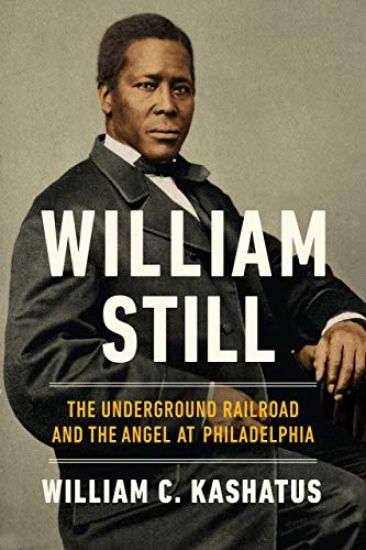
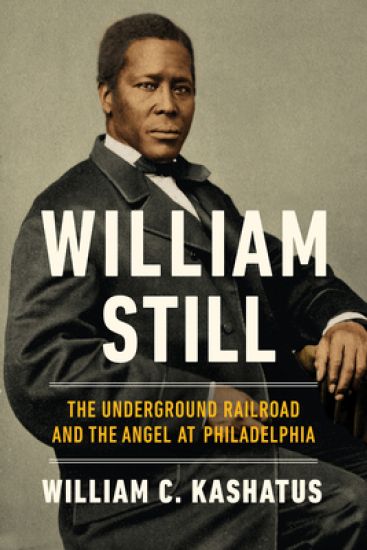
The first full-length biography of William Still, one of the most important leaders of the Underground Railroad. William Still: The Underground Railroad and the Angel at Philadelphia is the first major biography of the free Black abolitionist William Still, who coordinated the Eastern Line of the Underground Railroad and was a pillar of the Railroad as a whole. Based in Philadelphia, Still built a reputation as a courageous leader, writer, philanthropist, and guide for fugitive enslaved people. This monumental work details Still's life story beginning with his parents' escape from bondage in the early nineteenth century and continuing through his youth and adulthood as one of the nation's most important Underground Railroad agents and, later, as an early civil rights pioneer. Still worked personally with Harriet Tubman, assisted the family of John Brown, helped Brown's associates escape from Harper's Ferry after their famous raid, and was a rival to Frederick Douglass among nationally prominent African American abolitionists. Still's life story is told in the broader context of the anti-slavery movement, Philadelphia Quaker and free black history, and the generational conflict that occurred between Still and a younger group of free black activists led by Octavius Catto. Unique to this book is an accessible and detailed database of the 995 fugitives Still helped escape from the South to the North and Canada between 1853 and 1861. The database contains twenty different fields—including name, age, gender, skin color, date of escape, place of origin, mode of transportation, and literacy—and serves as a valuable aid for scholars by offering the opportunity to find new information, and therefore a new perspective, on runaway enslaved people who escaped on the Eastern Line of the Underground Railroad. Based on Still's own writings and a multivariate statistical analysis of the database of the runaways he assisted on their escape to freedom, the book challenges previously accepted interpretations of the Underground Railroad. The audience for William Still is a diverse one, including scholars and general readers interested in the history of the anti-slavery movement and the operation of the Underground Railroad, as well as genealogists tracing African American ancestors.
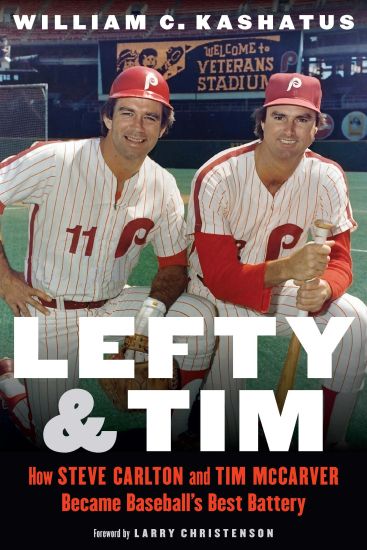
Lefty and Tim is the dual biography of Hall of Fame pitcher Steve “Lefty” Carlton and catcher Tim McCarver, detailing their relationship from 1965, when they played with the St. Louis Cardinals, through 1980, when they played for the Philadelphia Phillies. Along the way McCarver became Carlton’s personal catcher, and together they became the best battery in baseball in the mid-to-late 1970s. At first glance Carlton and McCarver appear like an odd couple: McCarver was old school, Carlton new age. At the beginning of his career, McCarver believed that the catcher called the pitches, encouraged the pitcher when necessary, and schooled the pitcher when he deviated from the game plan. But Lefty, who pioneered the use of meditation and martial arts in baseball, was stubborn too. He wanted to control pitch selection. Over time, Carlton and McCarver developed a strong bond off the diamond that allowed them to understand and trust each other. In the process, Steve Carlton became one of the greatest left-handers in the history of Major League Baseball, an achievement that would not have been possible without Tim McCarver as his catcher. Not only did McCarver mentor Carlton as a young hurler with the Cardinals, but he helped resurrect Carlton’s career when they were reunited in Philadelphia midseason in 1975. Carlton won his second Cy Young Award with McCarver behind the plate in 1977. Told in the historical context of the time they played the game, Lefty and Tim recounts the pair’s time in the tumultuous sixties, with the racial integration of the St. Louis Cardinals and the dominance of pitching, and in the turbulent seventies, characterized by MLB’s labor tensions, the arrival of free agency, and the return of the lively ball that followed the lowering of the pitcher’s mound in 1969.
The first full-length biography of William Still, one of the most important leaders of the Underground Railroad. William Still: The Underground Railroad and the Angel at Philadelphia is the first major biography of the free Black abolitionist William Still, who coordinated the Eastern Line of the Underground Railroad and was a pillar of the Railroad as a whole. Based in Philadelphia, Still built a reputation as a courageous leader, writer, philanthropist, and guide for fugitive enslaved people. This monumental work details Still's life story beginning with his parents' escape from bondage in the early nineteenth century and continuing through his youth and adulthood as one of the nation's most important Underground Railroad agents and, later, as an early civil rights pioneer. Still worked personally with Harriet Tubman, assisted the family of John Brown, helped Brown's associates escape from Harper's Ferry after their famous raid, and was a rival to Frederick Douglass among nationally prominent African American abolitionists. Still's life story is told in the broader context of the anti-slavery movement, Philadelphia Quaker and free black history, and the generational conflict that occurred between Still and a younger group of free black activists led by Octavius Catto. Unique to this book is an accessible and detailed database of the 995 fugitives Still helped escape from the South to the North and Canada between 1853 and 1861. The database contains twenty different fields—including name, age, gender, skin color, date of escape, place of origin, mode of transportation, and literacy—and serves as a valuable aid for scholars by offering the opportunity to find new information, and therefore a new perspective, on runaway enslaved people who escaped on the Eastern Line of the Underground Railroad. Based on Still's own writings and a multivariate statistical analysis of the database of the runaways he assisted on their escape to freedom, the book challenges previously accepted interpretations of the Underground Railroad. The audience for William Still is a diverse one, including scholars and general readers interested in the history of the anti-slavery movement and the operation of the Underground Railroad, as well as genealogists tracing African American ancestors.
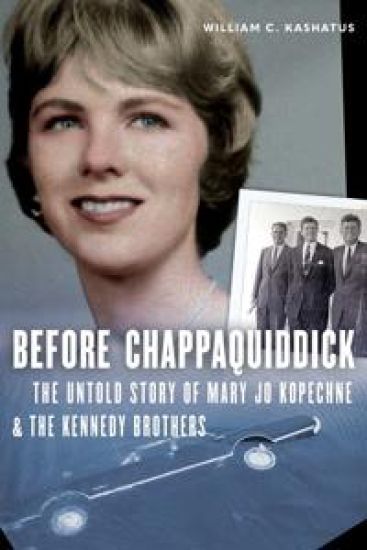
Before Chappaquiddick is a biography of Mary Jo Kopechne, a twenty-eight-year-old secretary who worked on the senatorial staff of Robert F. Kennedy and his 1968 presidential campaign. She was killed on July 18, 1969, when a car driven by Senator Edward M. Based on interviews with family, friends, and colleagues who worked with her on RFK’s senatorial staff from 1965 to 1968 and recently released FBI documents, the biography explores the life and death of a devoted Kennedy staffer during a transformative period in modern American history. Kennedy plunged off a bridge into a tidal basin on Chappaquiddick Island, off the coast of Cape Cod, Massachusetts. Caught between the silent generation of the 1950s and the politically active generation of the 1960s, Kopechne belonged to an exclusive group of females who worked on Capitol Hill and committed themselves unconditionally to the Kennedy brothers and their noble vision for a better, more humane nation. She was both a participant in and product of that vision. In the process, Kopechne came to embody the very best ideals of the sixties: compassion for the underprivileged, social idealism tempered by political realism, and a fierce devotion to just causes. Chappaquiddick is addressed at length because it brought Kopechne into the national spotlight; the narrative adheres to Senator Edward Kennedy’s account of the accident but also highlights the inconsistencies of his account as well as the many questions that remain unanswered fifty years later.
Colorful, shaggy, and unkempt, misfits and outlaws, the 1993 Phillies played hard and partied hard. Led by Darren Daulton, John Kruk, Lenny Dykstra, and Mitch Williams, it was a team the fans loved and continue to love today. Focusing on six key members of the team, Macho Row follows the remarkable season with an up-close look at the players’ lives, the team’s triumphs and failures, and what made this group so unique and so successful. With a throwback mentality, the team adhered to baseball’s Code. Designed to preserve the moral fabric of the game, the Code’s unwritten rules formed the bedrock of this diehard team whose players paid homage and respect to the game at all times. Trusting one another and avoiding ideas of superstardom, they consistently rubbed the opposition the wrong way and didn’t care. William C. Kashatus pulls back the covers on this old-school band of brothers, depicting the highs and lows and their brash style while also digging into the suspected steroid use of players on the team. Macho Row is a story of winning and losing, success and failure, and the emotional highs and lows that accompany them.
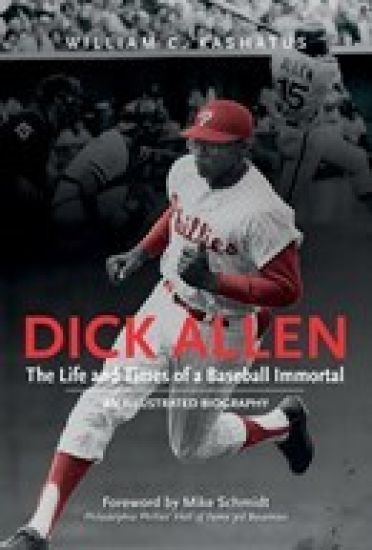
An intimate illustrated portrait of 1960s era Philadelphia Phillie Dick Allen's baseball career and personal life, based on talks with teammates, family, friends, and Allen himself. Foreword by Mike Schmidt, Philadelphia Phillies Hall of Fame 3rd Baseman Baseball star Richie "Dick" Allen forced Philadelphians to address the racism that existed in their city during the 1960s. While his candid opinions challenged the white baseball establishment, Allen’s tape-measure home runs earned the admiration of younger fans and fellow players, both black and white. The admiration, as well as Allen’s reputation as “Baseball’s Bad Boy,” continued after he left Philadelphia to play for the St. Louis Cardinals, Los Angeles Dodgers, and Chicago White Sox. Named the American League's Most Valuable Player in 1972, Allen was one of the game's most misunderstood players. Based on interviews of teammates, family, friends, and Allen himself, this richly illustrated biography with original artwork by Dick Perez explores the star’s personal life as well as his playing career. It is a story about one of the finest baseball players of all time, and one who deserves to be enshrined in the National Baseball Hall of Fame.
Appearance- and performance-enhancing drugs-specifically, anabolic steroids (APEDs)-provide a tempting competitive advantage for amateur baseball players. But this shortcut can exact a fatal cost on talented athletes. In his urgent book Suicide Squeeze, William Kashatus chronicles the experiences of Taylor Hooton and Rob Garibaldi, two promising high school baseball players who abused APEDs in the hopes of attracting professional scouts and Division I recruiters. However, as a result of their steroid abuse, they ended up taking their own lives.In Suicide Squeeze-named for the high-risk play in baseball to steal home-Kashatus identifies the symptoms and dangers of steroid use among teens. Using archival research and interviews with the Hooton and Garibaldi families, he explores the lives and deaths of these two troubled young men, the impact of their suicides on MLB, and the ongoing fight against adolescent APED use by their parents.A passionate appeal to prevent additional senseless deaths by athletes, Suicide Squeeze is an important contribution to debates on youth and sports and on public policy.
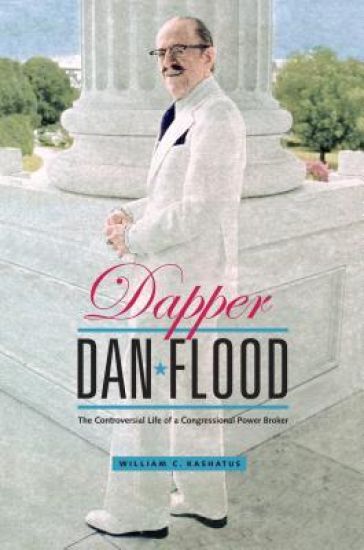
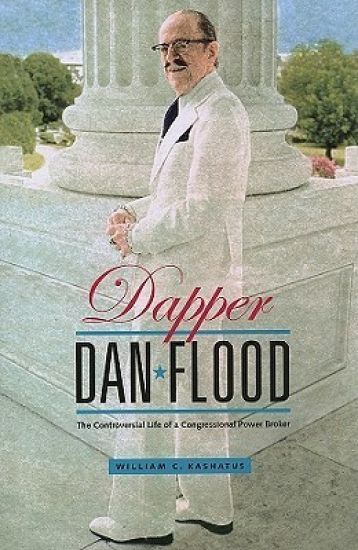
Daniel J. Flood was among the last of the old-time movers and shakers on Capitol Hill. A flamboyant vaudevillian who became a Democratic congressman from Pennsylvania, he was a sight on the House floor, sporting white linen suits, silk top hats, and dark, flowing capes. Flood presented his addresses and arguments with the overly precise and clipped accent of an old-fashioned stage actor, and he reveled in the attention he attracted for every performance. At the same time, “Dapper Dan” understood the complexities of the old power politics and played the legislative game with sheer genius. He worked his will by employing the common practices that greased the wheels of the political process in the post–World War II era: persuasion, manipulation, arm-twisting, and grandiloquent oratory rarely matched by his congressional colleagues.Between 1945 and 1980, Flood used his clout as a senior member of the House Appropriations Committee to wield near-veto power over the $300 billion federal budget. Flood was instrumental in funding the Cold War as well as the “Great Society” social reforms of the 1960s. This consummate pork-barrel politician was elected to the U.S. House of Representatives for sixteen terms. Eventually accused of improprieties in arranging federal contracts, Flood became the subject of sweeping investigations by the U.S. Attorney General and the House Ethics Committee. Based on recently declassified FBI documents, court records, public papers, and contemporary newspaper accounts, as well as more than thirty interviews of Flood’s widow, congressional colleagues, and Capitol Hill staff, Dapper Dan Flood explodes the myths surrounding this controversial Pennsylvania congressman.
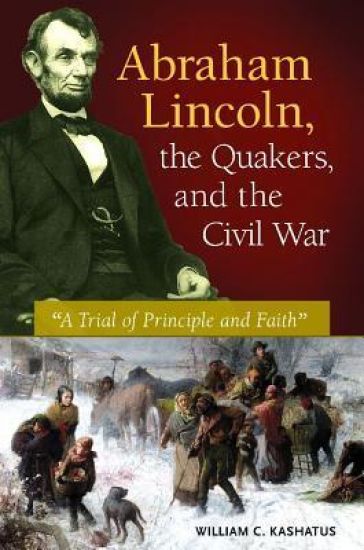
This unique addition to Civil War literature examines the extensive influence Quaker belief and practice had on Lincoln's decisions relative to slavery, including his choice to emancipate the slaves.An important contribution to Lincoln scholarship, this thought-provoking work argues that Abraham Lincoln and the Religious Society of Friends faced a similar dilemma: how to achieve emancipation without extending the bloodshed and hardship of war. Organized chronologically so readers can see changes in Lincoln's thinking over time, the book explores the congruence of the 16th president's relationship with Quaker belief and his political and religious thought on three specific issues: emancipation, conscientious objection, and the relief and education of freedmen. Distinguishing between the reality of Lincoln's relationship with the Quakers and the mythology that has emerged over time, the book differs significantly from previous works in at least two ways. It shows how Lincoln skillfully navigated a relationship with one of the most vocal and politically active religious groups of the 19th century, and it documents the practical ways in which a shared belief in the "Doctrine of Necessity" affected the president's decisions. In addition to gaining new insights about Lincoln, readers will also come away from this book with a better understanding of Quaker positions on abolition and pacifism and a new appreciation for the Quaker contributions to the Union cause.
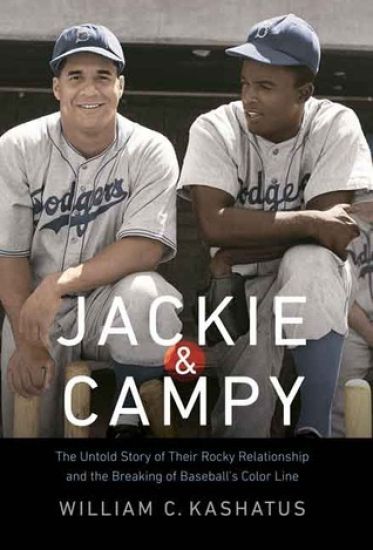
As star players for the 1955 World Champion Brooklyn Dodgers, and prior to that as the first black players to be candidates to break professional baseball’s color barrier, Jackie Robinson and Roy Campanella would seem to be natural allies. But the two men were divided by a rivalry going far beyond the personality differences and petty jealousies of competitive teammates. Behind the bitterness were deep and differing beliefs about the fight for civil rights. Robinson, the more aggressive and intense of the two, thought Jim Crow should be attacked head-on; Campanella, more passive and easygoing, believed that ability, not militancy, was the key to racial equality. Drawing on interviews with former players such as Monte Irvin, Hank Aaron, Carl Erskine, and Don Zimmer, Jackie and Campy offers a closer look at these two players and their place in a historical movement torn between active defiance and passive resistance. William C. Kashatus deepens our understanding of these two baseball icons and civil rights pioneers and provides a clearer picture of their time and our own.
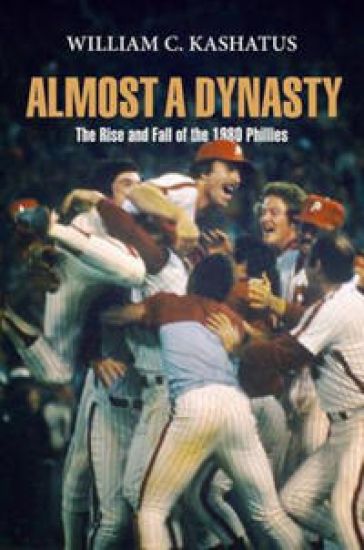
Being a Phillies fan has never been easy. The team has amassed the most losses of any professional sports franchise in history, as well as the longest losing streak and the most last-place finishes in the major leagues. The year 1980 was redemption for a miserable, century-old legacy of losing. It was also the beginning of the end for a team that could have been among the very best in baseball throughout the decade. Between 1980 and 1983 the Philadelphia Phillies captured two pennants and a world championship. Legends like Tug McGraw, Steve Carlton, Mike Schmidt, and Pete Rose led the collection of homegrown products, veteran castoffs, and fair-haired rookies. If they had won another World Series, the team not only would have distanced themselves from a history of losing but would have established a championship dynasty. It never happened. The 1981 season was a watershed for both the Phillies and baseball. A players' strike led to a sixty-day work stoppage. The Phils, who had been in first place before the strike, were unable to regain their winning ways after play resumed. Labor relations between an increasingly powerful Players Association and inflexible owners became more acrimonious than ever before. Player salaries skyrocketed. Old loyalties were forgotten, and the notion of a homegrown team, like the 1980 Phillies, was a thing of the past. Almost a Dynasty details the rise and fall of the 1980 World Champion Phillies. Based on personal interviews, newspaper accounts, and the keen insight of a veteran baseball writer, the book convincingly explains why a team that had regularly made the post-season in the mid- to late 1970s, only to lose in the playoffs, was finally able to win its first world championship.
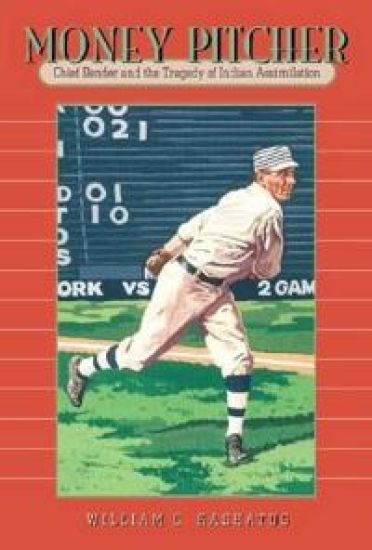
Charles Albert Bender was one of baseball’s most talented pitchers. By the end of his major league career in 1925, he had accrued 212 wins and more than 1,700 strikeouts, and in 1953, he became the first American Indian elected to baseball’s Hall of Fame. But as a high-profile Chippewa Indian in a bigoted society, Bender knew firsthand the trauma of racism. In Money Pitcher: Chief Bender and the Tragedy of Indian Assimilation, William C. Kashatus offers the first biography of this compelling and complex figure.Bender’s career in baseball began on the sandlots of Pennsylvania’s Carlisle Indian Industrial School, where he distinguished himself as a hard-throwing pitcher. Soon, in 1903, Philadelphia Athletics manager Connie Mack signed Bender to his pitching staff, where he was a mainstay for more than a decade. Mack regarded Bender as his “money pitcher”—the hurler he relied on whenever he needed a critical victory. But with success came suffering. Spectators jeered Bender on the field and taunted him with war whoops. Newspapers ridiculed him in their sports pages. His own teammates derisively referred to him as “Chief,” and Mack paid him less than half the salary of other star pitchers. This constant disrespect became a major factor in one of the most controversial episodes in the history of baseball: the alleged corruption of the 1914 World Series. Despite being heavily favored going into the Series against the Boston Braves, the A’s lost four straight games. Kashatus offers compelling evidence that Bender intentionally compromised his performance in the Series as retribution for the poor treatment he suffered.Money Pitcher is not just another baseball book. It is a book about social justice and Native Americans’ tragic pursuit of the white American Dream at the expense of their own identity. Having arrived in the major leagues only thirteen years after the Wounded Knee Massacre of 1890, Bender experienced the disastrous effects of governmental assimilation policies designed to quash indigenous Indian culture. Yet his remarkable athleticism and dignified behavior disproved popular notions of Native American inferiority and opened the door to the majors for more than 120 Indians who played baseball during the first half of the twentieth century.
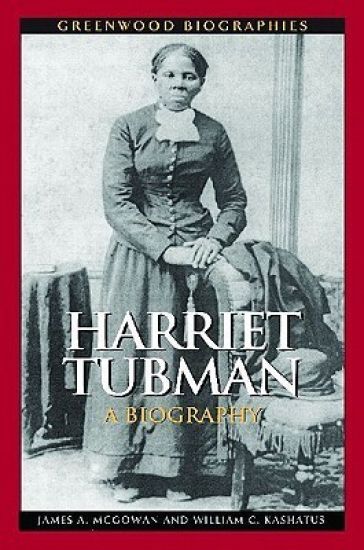
This concise biography of Harriet Tubman, the African American abolitionist, explores her various roles as an Underground Railroad conductor, Civil War scout and nurse, and women's rights advocate.The legendary Moses of the Underground Railroad, Harriet Tubman was a fiery and tenacious abolitionist who organized and led African American military operations deep in the Confederacy. Harriet Tubman: A Biography relates the life story of this extraordinary woman, standing as a testament to her tenacity, drive, intelligence, and courage.In telling the remarkable story of Tubman's life, the biography examines her early years as Araminta Ross (her birth name), her escape from slavery, her activities as an Underground Railroad conductor, her involvement in the Civil War, and her role as a champion of women's rights. The book places its heroine in the broad context of her time and the movements in which she was involved, and the narrative shifts between the contextual and the personal to give the reader a strong understanding of Tubman as a woman who was shaped by, and helped to shape, the time in which she lived.
Daniel J. Flood was among the last of the oldtime movers and shakers on Capitol Hill. Known for his wardrobe of white linen suits, dark shirts, white ties, silk top hats, and dark, flowing capes, as a vaudevillian who became a Democratic congressman from Pennsylvania, Flood was a flamboyant sight on the floor of the House. He presented his addresses and arguments with the overly precise and clipped accent of an old-fashioned stage actor, and he reveled in the attention he attracted for each and every performance. At the same time, 'Dapper Dan' understood the complexities of the old power politics and played the legislative game with sheer genius. He worked his will by employing the common practices that greased the wheels of the political process in the post - World War II era: persuasion, manipulation, arm-twisting, and grandiloquent oratory rarely matched by his congressional colleagues. Between 1945 and 1980, Flood used his clout as a senior member of the House Appropriations Committee to wield near veto power over the $300 billion federal budget. Flood was instrumental in funding the Cold War as well as the 'Great Society' social reforms of the 1960s. A consummate pork-barrel politician, the mustachioed congressman channeled billions of dollars into a northeast Pennsylvania district suffering from a declining anthracite coal industry. As a result, the well-educated scion of the middle class was accepted by his blue-collar constituents as 'one of their own' and elected to the U.S. House of Representatives for sixteen terms. Accused of improprieties in arranging federal contracts, Flood became the subject of sweeping investigations by the U.S. Attorney General and the House Ethics Committee. A federal court case resulted in a mistrial in February 1979. Stripped of his congressional power, ravaged by illness, and facing a second bribery trial, Flood resigned from Congress on January 31, 1980. Based on recently declassified FBI documents, court records, public papers, and contemporary newspaper accounts, as well as more than thirty interviews of Flood's widow, congressional colleagues, and Capitol Hill staff, ""Dapper Dan Flood"" explodes the myths surrounding Pennsylvania's controversial - and colorful - congressman. It is a story of power, accomplishment, and, ultimately, failure and humiliation.