Kirjojen hintavertailu. Mukana 12 330 184 kirjaa ja 12 kauppaa.
Kirjailija
William (EDT) McGuire
Kirjat ja teokset yhdessä paikassa: 2 kirjaa, julkaisuja vuosilta 1974-1991, suosituimpien joukossa The Freud/Jung Letters. Vertaile teosten hintoja ja tarkista saatavuus suomalaisista kirjakaupoista.
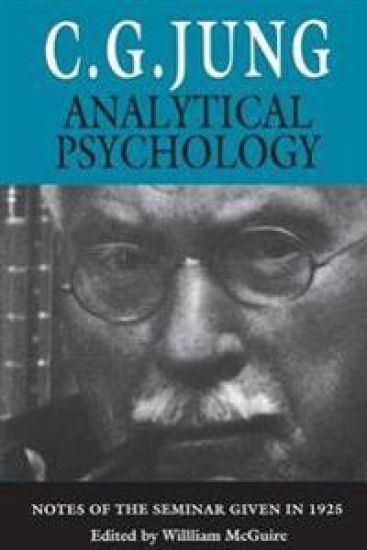
For C. G. Jung, 1925 was a watershed year. He turned fifty, visited the Pueblo Indians of New Mexico and the tribesmen of East Africa, published his first book on the principles of analytical psychology meant for the lay public, and gave the first of his formal seminars in English. The seminar, conducted in weekly meetings during the spring and summer, began with a notably personal account of the development of his thinking from 1896 up to his break with Freud in 1912. It moved on to discussions of the basic tenets of analytical psychology--the collective unconscious, typology, the archetypes, and the anima/animus theory. In the elucidation of that theory, Jung analyzed in detail the symbolism in Rider Haggard's She and other novels. Besides these literary paradigms, he made use of case material, examples in the fine arts, and diagrams.
In April 1906, Sigmund Freud wrote a brief note to C. G. Jung, initiating a correspondence that was to record the rise and fall of the close relationship between the founder of psychoanalysis and his chosen heir. This correspondence is now available for the first time, complete except for a few missing letters apparently lost long ago. The letters, some 360 in number, span seven years and range in length from a postcard to a virtual essay of 1,500 words. In accordance with an agreement between the writers' sons, Ernst Freud and Franz Jung, the letters are published as documents, without interpretation, but with a detailed annotation that identifies more than 400 persons, 500 publications, and many literary and topical allusions. Anna Freud comments, "[The annotation] has turned the correspondence truly into a history of the beginnings of psychoanalysis, something that was very much needed and is not given anywhere else with the same attention to detail and inclusion of all the people in public life who cither came to psychoanalysis for a while or turned violently against it from the beginning...Every detail is necessary and enhances the value of the book."There are appendixes, facsimiles, and contemporary photographs. The index, with bibliographical details, is exhaustive. As historical documents, the letters reflect the early struggles of Freud and Jung in gaining acceptance for psychoanalysis. Freud, Jung's senior by twenty years, patiently assesses the opposition, cautioning the fiery Jung to concentrate more on his research than on answering the critics. The two exchange candid opinions on their colleagues, plan strategies for the advancement of their cause, and most important, share their experiences with patients and with the reading that led them to new scientific realizations. The correspondence provides an account of the composition of many papers, lectures, and books of Freud, Jung, and their colleagues, and describes the genesis of the journals, conferences, and international and local societies of the movement. The decline of the correspondence documents Jung's increasing reluctance to accept the entire Freudian code, and the growing bitterness that led to the mutual decision to end the correspondence and the relationship.