Kirjojen hintavertailu. Mukana 12 390 323 kirjaa ja 12 kauppaa.

Kirjailija

William G. Moseley

Kirjat ja teokset yhdessä paikassa: 5 kirjaa, julkaisuja vuosilta 2013-2024, suosituimpien joukossa An Introduction to Human-Environment Geography. Vertaile teosten hintoja ja tarkista saatavuus suomalaisista kirjakaupoista.

5 kirjaa

Kirjojen julkaisuhaarukka 2013-2024.

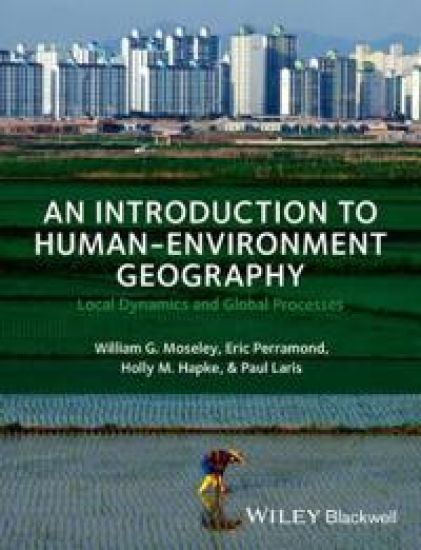
An Introduction to Human-Environment Geography

An Introduction to Human-Environment Geography

William G. Moseley; Eric Perramond; Holly M. Hapke; Paul Laris

Wiley-Blackwell (an imprint of John Wiley Sons Ltd)
2013
sidottu
This introductory level text explores various theoretical approaches to human-environment geography, demonstrating how local dynamics and global processes influence how we interact with our environments. Introduces students to fundamental concepts in environmental geography and scienceExplores the core theoretical traditions within the field, along with major thematic issues such as population, food and agriculture, and water resourcesOffers an engaging and unique view of the spatial relationships between humans and their environment across geographical locations around the worldIncludes a variety of real-world policy questions and emphasizes geography’s strong tradition of field work by featuring prominent nature-society geographers in guest field notes
Decolonizing African Agriculture

Decolonizing African Agriculture

William G. Moseley

AGENDA PUBLISHING
2024
nidottu
Why have so many approaches to farming and food policy failed in Sub-Saharan Africa? Because, argues William Moseley in this compelling analysis, of the shortcomings of a prevailing western, colonial agricultural science that is infused with power and politics. To tackle food security successfully, the book argues, we need a non-colonial, indigenous agronomy that creates the social innovation needed to support the livelihoods of small-scale farmers. The book is organized in four sections: Part 1 provides a broad conceptual introduction emphasizing political agronomy, political ecology and agroecology. Part 2 evaluates past food security and agricultural development experiences in four countries where Moseley has undertaken extensive field research over several decades: Mali, Burkina Faso, South Africa and Botswana. Part 3 examines successful efforts in each of these countries and outlines future directions that emphasize the application of ecological principles to agricultural systems. In Part 4, Moseley advocates building more resilient food systems and a different kind of development that supports agroecology, vibrant rurality and networks of smaller cities. Achieving this transformation will require institutional reform at the global level, of those multilateral and bilateral agencies involved with farming and food policy. Written for an academic and policy readership, as well those interested in international food security, the book is suitable for courses on food politics, agroecology and sustainable development.
Land Reform in South Africa

Land Reform in South Africa

Brent McCusker; William G. Moseley; Maano Ramutsindela

Rowman Littlefield
2015
sidottu
This thoughtful book explores the history and ongoing dilemmas of land use and land reform in South Africa. Including both theoretical and applied examples of the evolution of South Africa’s current geography of land use, the authors provide a succinct overview of land reform and evaluate the range of policies conceived over time to redress the country’s stark racial land imbalance. Drawing on compelling case studies from across South Africa, they illustrate not only the progress of land reform, but also how reforms fit within the larger historical context of racialized land use. This is the first book of its kind to fully apply geographical theory to the case of South African land reform. Rather than rely on one-dimensional technicist explanations to discuss the shortcomings of the country’s land reform program, this rich study places it in the context of bitter battles between groups seeking to exploit land policies for their own benefit.
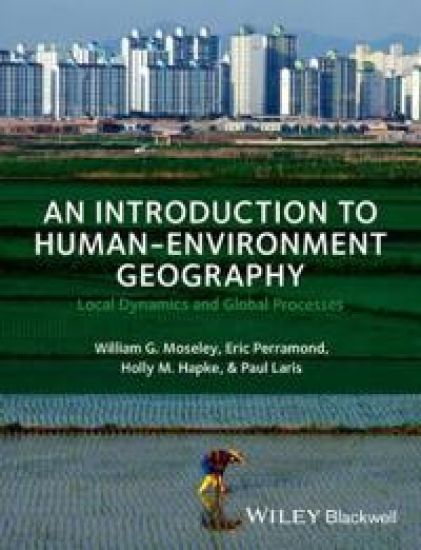
An Introduction to Human-Environment Geography

An Introduction to Human-Environment Geography

William G. Moseley; Eric Perramond; Holly M. Hapke; Paul Laris

Wiley-Blackwell (an imprint of John Wiley Sons Ltd)
2013
nidottu
This introductory level text explores various theoretical approaches to human-environment geography, demonstrating how local dynamics and global processes influence how we interact with our environments. Introduces students to fundamental concepts in environmental geography and scienceExplores the core theoretical traditions within the field, along with major thematic issues such as population, food and agriculture, and water resourcesOffers an engaging and unique view of the spatial relationships between humans and their environment across geographical locations around the worldIncludes a variety of real-world policy questions and emphasizes geography’s strong tradition of field work by featuring prominent nature-society geographers in guest field notes