Kirjojen hintavertailu. Mukana 12 595 353 kirjaa ja 12 kauppaa.
Kirjailija
William J. Kraemer
Kirjat ja teokset yhdessä paikassa: 6 kirjaa, julkaisuja vuosilta 2016-2025, suosituimpien joukossa Developing the Athlete. Vertaile teosten hintoja ja tarkista saatavuus suomalaisista kirjakaupoista.
Gain the scientific knowledge and practical decision-making skills you need to excel in the strength conditioning, clinical exercise physiology and health related professions with Exercise Physiology: Integrating Theory and Application, 4th Edition. This accessible and engaging text helps you connect theory to practice, offering a thorough understanding of how the body adapts to exercise and environmental stresses and how physiology helps in making informed real-world decisions. This new edition reflects new research and evidence in the field, effectively preparing you for the diverse case scenarios most often seen by personal trainers, strength coaches, fitness instructors, athletic trainers, and other health professionals. New Practical Applications boxes, Chapter Objectives, Quick Review boxes, Did You Know? boxes, More to Explore boxes, and full-color illustrations help readers understand and retain key concepts. Updated case studies, as well as videos, and animations include new questions that help you think through complex scenarios, develop your decision-making skills, and fully understand challenging topics. New and expanded discussions of ergogenic supplements; altitude training; updated content on new tools and technologies, such as cooling vests. Practical Questions from Students boxes answer frequently asked questions, and An Expert View boxes share insights from various professional perspectives. Review questions at the end of each chapter give students a chance to assess and apply their knowledge through short-answer and critical thinking questions. Online resources include chapter proficiency quizzes with more emphasis on practical application and PrepU adaptive quizzing for students, and lecture slides and test bank for instructors.
This is the loose-leaf version of Developing the Athlete, which offers students a less expensive, printed version of the text. Over the past decade, the complexity of athlete development has increased, and sport science has become enthralled with metrics and genetics. While an abundance of information has emerged, there is still a lack of practical guidance on how to integrate this information with training to help athletes achieve their potential. Developing the Athlete: An Applied Sport Science Roadmap for Optimizing Performance brings much-needed clarity, providing a proven blueprint for bringing together the many fields related to sport science via an athlete development team that navigates the day-to-day development of each athlete. Developed by a team of renowned authors-including William Kraemer, one of the most prolifically published sport scientists in history-Developing the Athlete: An Applied Sport Science Roadmap for Optimizing Performance is the first resource of its kind. It explains the integration of sport science through the development of an athlete development team, implementing a process of testing, evaluating, assessing, and monitoring athlete training and performance. You will learn how data generated by the athlete development team are translated into training programs that promote the physical and psychological development an athlete needs to compete and succeed at every level of competition. You will also find step-by-step explanations of how to create a testing “fingerprint” unique to each athlete, as well as case studies and success stories that demonstrate how the concepts in the book have been experienced in real life. Get a better understanding of how the use of sport science can improve the skills needed for long-term athlete development. Developing the Athlete: An Applied Sport Science Roadmap for Optimizing Performance will help all types of sport performance professionals prioritize and apply the three Cs-credentials, competence, and commitment-so you can tap into known scientific principles and practices to develop a path for success for all your athletes.Earn continuing education credits/units! A continuing education exam that uses this book is also available. It may be purchased separately or as part of a package that includes both the book and exam.
This is the loose-leaf version of Developing the Athlete, which offers students a less expensive, printed version of the text. Over the past decade, the complexity of athlete development has increased, and sport science has become enthralled with metrics and genetics. While an abundance of information has emerged, there is still a lack of practical guidance on how to integrate this information with training to help athletes achieve their potential. Developing the Athlete: An Applied Sport Science Roadmap for Optimizing Performance brings much-needed clarity, providing a proven blueprint for bringing together the many fields related to sport science via an athlete development team that navigates the day-to-day development of each athlete. Developed by a team of renowned authors-including William Kraemer, one of the most prolifically published sport scientists in history-Developing the Athlete: An Applied Sport Science Roadmap for Optimizing Performance is the first resource of its kind. It explains the integration of sport science through the development of an athlete development team, implementing a process of testing, evaluating, assessing, and monitoring athlete training and performance. You will learn how data generated by the athlete development team are translated into training programs that promote the physical and psychological development an athlete needs to compete and succeed at every level of competition. You will also find step-by-step explanations of how to create a testing “fingerprint” unique to each athlete, as well as case studies and success stories that demonstrate how the concepts in the book have been experienced in real life. Get a better understanding of how the use of sport science can improve the skills needed for long-term athlete development. Developing the Athlete: An Applied Sport Science Roadmap for Optimizing Performance will help all types of sport performance professionals prioritize and apply the three Cs-credentials, competence, and commitment-so you can tap into known scientific principles and practices to develop a path for success for all your athletes.Earn continuing education credits/units! A continuing education exam that uses this book is also available. It may be purchased separately or as part of a package that includes both the book and exam.
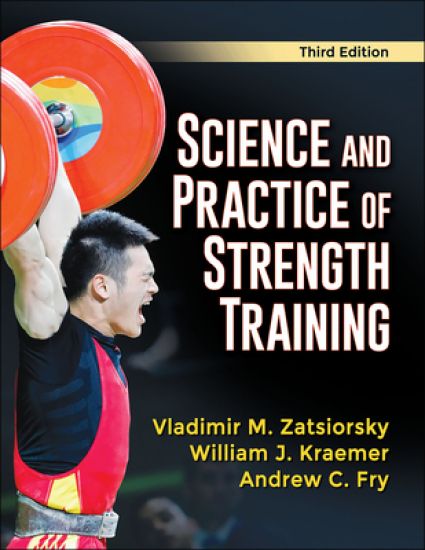
Science and Practice of Strength Training is a favorite book among strength and conditioning professionals. Now in a third edition, it offers upgraded artwork, updates based on current science, and new information to enhance the practical application of the concepts presented. A new coauthor, Dr. Andrew Fry, joins the already-popular author team of Dr. Vladimir Zatsiorsky and Dr. William Kraemer to make this third edition even better than its predecessors. Together the authors have trained more than 1,000 elite athletes, including Olympic medal winners, world champions, and national record holders. Influenced by both Eastern European and North American perspectives, their experience and expertise are integrated into solid principles, practical insights, and directions based on scientific findings.Science and Practice of Strength Training, Third Edition, shows that there is no single program that works for everyone, at all times and in all conditions. It addresses the complexity of strength training programs while providing straightforward approaches to take under specific circumstances. Those approaches are backed with physiological concepts, ensuring readers gain a full understanding of the science behind the practice of strength training. In addition, the authors provide examples of strength training programs to demonstrate the principles and concepts they explain in the book. The third edition features more detailed artwork and has three new chapters on velocity in the weight room, overtraining and recovery, and athlete monitoring.The book is divided into three parts. Part I focuses on the basis of strength training, detailing basic concepts, task-specific strength, and athlete-specific strength. Part II covers methods of strength training, delving into velocity training, training intensity, timing, exercises used for strength training, injury prevention, overtraining, athlete monitoring, and goal-specific strength training. Part III offers even more practical applications, exploring training for specific populations, including women, young athletes, and senior athletes. The book also includes suggested readings that can further aid readers in developing strength training programs.This expanded and updated coverage of strength training concepts will ground readers in the understanding they need to develop appropriate strength training programs for each person that they work with.Earn continuing education credits/units! A continuing education exam that uses this book is also available. It may be purchased separately or as part of a package that includes both the book and exam.
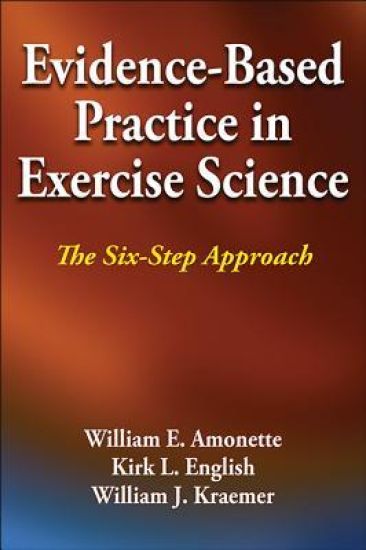
Exercise science practitioners have access to mountains of research findings, expert opinions, novel techniques, and program plans via blogs, fitness magazines, conference presentations, and peer-reviewed journals. To facilitate effective practice, practitioners must sift through this information and retain only the best evidence to form a sound base of knowledge. Evidence-Based Practice in Exercise Science: The Six-Step Approach equips readers with the basic skills and competencies for discerning the value of scientific research. Using a methodical approach, students and professionals will learn to identify appropriate evidence to support novel interventions and avoid counterproductive or dangerous information to eliminate ineffective exercise options. The authors, well-known advocates in the study and application of evidence-based practice in the field of exercise science, take the five-step method of evidence-based practice that has been established in medicine, adapt it specifically for exercise science, and expand it to embrace individuality in exercise training. The content is accessible for students in a variety of courses in exercise science curricula; those seeking certification through professional organizations; and practitioners in the fields of exercise, nutrition, sports medicine, and sport science. This text is an instruction manual in understanding and applying evidence-based practice. The process is divided into six steps that begin with asking a question and then finding, evaluating, implementing, confirming, and re-evaluating the evidence. Readers of Evidence-Based Practice in Exercise Science will explore these aspects: • The philosophy of science and design of scientific studies • The use of search tools like PubMed and Google Scholar and how to rank or define the strength of the evidence • Practical suggestions for implementing evidence-based practice in the field to better advise and serve athletes, clients, and patients • Case studies that demonstrate realistic scenarios of how the evidence-based process may be used in a variety of sport and exercise settings Each chapter opens with chapter objectives that provide a road map for learning, and a chapter conclusion summarizes main points and ensures understanding. The case studies cover topics including exercise prescription; exercise for special populations; nutrition and supplementation; and exercise devices, equipment, and apparel. Each case presents a realistic scenario that an exercise practitioner may experience, presents background information, formulates a question for investigation, describes a search of the literature, discusses the findings, and provides a recommendation for practice based on the best current evidence. Evidence-Based Practice in Exercise Science is grouped into four sections that assist readers in gaining a better understanding of the evidence-based practice paradigm, learning the step-by-step method, and acquiring experience in the evidence-based approach by working through practical examples using real-world scenarios. Part I offers foundational knowledge of evidence-based practice in exercise sciences. Part II introduces the six-step method of evidence-based practice with chapters that explore each step of the process in depth. Part III presents 16 case studies grouped into chapters by generaal topics. Part IV concludes the text with chapters on disseminating and sharing knowledge and the future of evidence-based practice in exercise science. By understanding the concepts and process of evidence-based practice, current and future sport, exercise, and health professionals will prescribe individualized programs and treatments that improve athletic performance and lead individuals toward better health. Embracing evidence-based practice will ultimately advance the field and produce optimal outcomes for clients, patients, and athletes.