Kirjojen hintavertailu. Mukana 12 595 353 kirjaa ja 12 kauppaa.

Kirjailija

William K. Klingaman

Kirjat ja teokset yhdessä paikassa: 5 kirjaa, julkaisuja vuosilta 1991-2020, suosituimpien joukossa Turning 50: Quotes, Lists, and Helpful Hints. Vertaile teosten hintoja ja tarkista saatavuus suomalaisista kirjakaupoista.

5 kirjaa

Kirjojen julkaisuhaarukka 1991-2020.

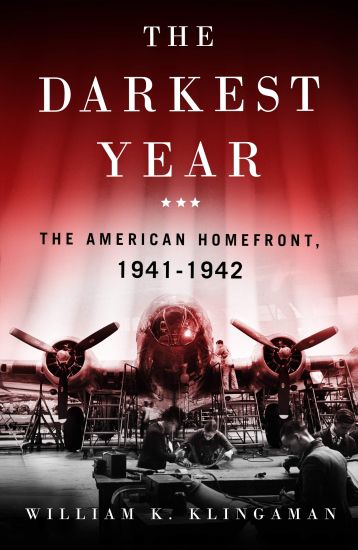
The Darkest Year

The Darkest Year

William K. Klingaman

Saint Martin's Griffin,U.S.
2020
nidottu
For Americans on the home front, the twelve months following the Japanese attack on Pearl Harbour comprised the darkest year of World War Two. Despite government attempts to disguise the magnitude of American losses, it was clear that the nation had suffered a nearly unbroken string of military setbacks in the Pacific; by the autumn of 1942, government officials were openly acknowledging the possibility that the United States might lose the war. Appeals for unity and declarations of support for the war effort in the aftermath of Pearl Harbour made it appear as though the class hostilities and partisan animosities that had beset the United States for decades suddenly disappeared. They did not, and a deeply divided American society splintered further during 1942 as numerous interest groups sought to turn the wartime emergency to their own advantage. Blunders and repeated displays of incompetence by the Roosevelt administration added to the sense of anxiety and uncertainty that hung over the nation. The Darkest Year focuses on Americans’ state of mind not only through what they said, but in the day-to-day details of their behaviour. Klingaman blends these psychological effects with the changes the war wrought in American society and culture, including shifts in family roles, race relations, economic pursuits, popular entertainment, education, and the arts.
The Darkest Year

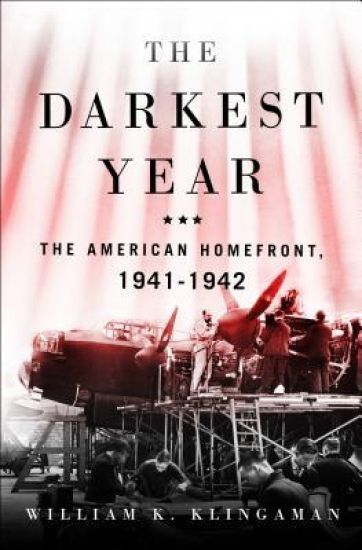
The Darkest Year

William K. Klingaman

St Martin's Press
2019
sidottu
For Americans on the home front, the twelve months following the Japanese attack on Pearl Harbor comprised the darkest year of World War Two. Despite government attempts to disguise the magnitude of American losses, it was clear that the nation had suffered a nearly unbroken string of military setbacks in the Pacific; by the autumn of 1942, government officials were openly acknowledging the possibility that the United States might lose the war. Appeals for unity and declarations of support for the war effort in the aftermath of Pearl Harbor made it appear as though the class hostilities and partisan animosities that had beset the United States for decades - and grown sharper during the Depression - suddenly disappeared. They did not, and a deeply divided American society splintered further during 1942 as numerous interest groups sought to turn the wartime emergency to their own advantage. Blunders and repeated displays of incompetence by the Roosevelt administration added to the sense of anxiety and uncertainty that hung over the nation. The Darkest Year focuses on Americans’ state of mind not only through what they said, but in the day-to-day details of their behaviour. Klingaman blends these psychological effects with the changes the war wrought in American society and culture, including shifts in family roles, race relations, economic pursuits, popular entertainment, education, and the arts.
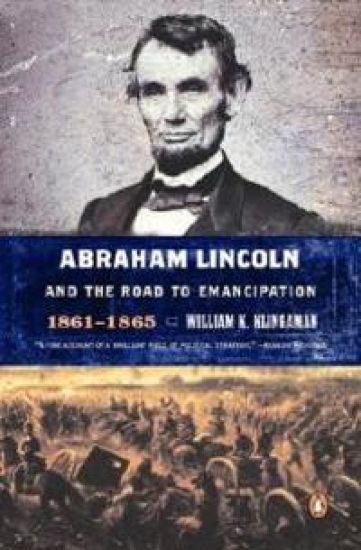
Abraham Lincoln and the Road to Emancipation, 1861-1865
In this comprehensive account of Abraham Lincoln's Emancipation Proclamation, William K. Klingaman takes a fresh look at what is arguably the most controversial reform in American history. Taking the reader from Lincoln's inauguration through the Civil War to his tragic assassination, it uncovers the complex political and psychological pressures facing Lincoln in his consideration of the slavery question, including his decision to issue the proclamation without consulting any member of his cabinet, and his meticulous attention to every word of the document. The book concludes with a discussion of what the Emancipation Proclamation really meant to four million newly freed blacks and its subsequent impact on race relations in America.
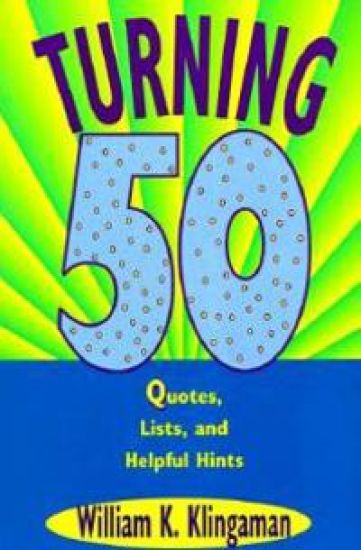
Turning 50: Quotes, Lists, and Helpful Hints

Turning 50: Quotes, Lists, and Helpful Hints

William K. Klingaman

Plume Books
1994
nidottu
You're not over the hill--it's just taking you longer to get to the top. Mick Jagger did it. Paul McCartney did it too, and Tina Turner made it in a short skirt and red lipstick. But when it happens to you, chances are you'll find it hard to believe. Reaching the big Five-O is more of a milestone than other birthdays, but what does it really mean? Gloria Steinem says that fifty is what forty used to be. So if your birthday candles set off the smoke alarm, don't despair--dig into this warm and funny collection of celebrity quotes, lists, interviews, and tongue-in-cheek advice. Here's all the wit and wisdom of many who have already reached the half-century mark, hilariously (or hysterically) gathered to remind you that you're not alone, and that the best is yet come.