Kirjojen hintavertailu. Mukana 12 390 323 kirjaa ja 12 kauppaa.

Kirjailija

William L. Randall

Kirjat ja teokset yhdessä paikassa: 7 kirjaa, julkaisuja vuosilta 2008-2022, suosituimpien joukossa Fairy Tale Wisdom. Vertaile teosten hintoja ja tarkista saatavuus suomalaisista kirjakaupoista.

Mukana myös kirjoitusasut: William L Randall

7 kirjaa

Kirjojen julkaisuhaarukka 2008-2022.

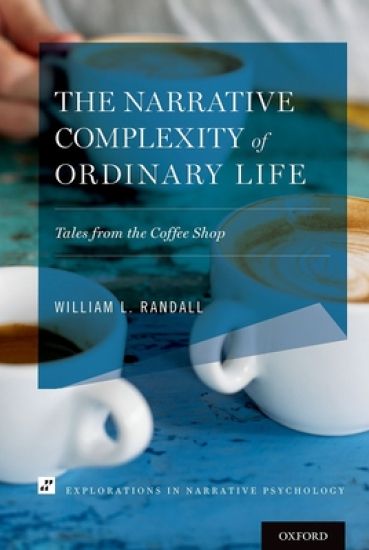
The Narrative Complexity of Ordinary Life

The Narrative Complexity of Ordinary Life

William L. Randall

Oxford University Press Inc
2017
nidottu
Our everyday lives are enmeshed in storytelling: the stories we tell about our memories, the people we know, and the world we inhabit; those we tell about our families and communities; and the narratives we encounter in books, movies, and television. Narrative structures how we view ourselves and everything around us. In The Narrative Complexity of Ordinary Life, William L. Randall shows how concepts central to the study of narrative psychology--such as narrative development and the interrelation between narrative and identity, cognition, and development--are integral to everyday life. He makes the case that all people function as narrative psychologists by continually storying their lives in memory and imagination, as well as speculating on the stories that others may be living, a process that Randall refers to as storyotyping. Relying heavily on narrative, Randall draws from experiences in his own life to illustrate various concepts in narrative psychology. His inquiry leads him to the topics of gossip, rumor, and the narrative complexity of nostalgia. In doing so, he makes the case that all people function as narrative psychologists by continually storying - or, cementing - their lives in memory and imagination, a process Randall refers to as "storyotyping".
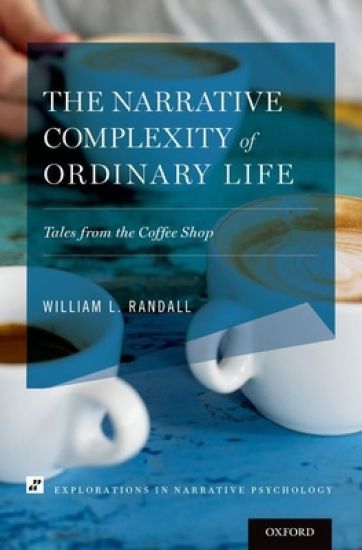
The Narrative Complexity of Ordinary Life

The Narrative Complexity of Ordinary Life

William L. Randall

Oxford University Press Inc
2015
sidottu
Our everyday lives are enmeshed in storytelling: the stories we tell about our memories, the people we know, and the world we inhabit; those we tell about our families and communities; and the narratives we encounter in books, movies, and television. Narrative structures how we view ourselves and everything around us. In The Narrative Complexity of Ordinary Life, William L. Randall shows how concepts central to the study of narrative psychology--such as narrative development and the interrelation between narrative and identity, cognition, and development--are integral to everyday life. He makes the case that all people function as narrative psychologists by continually storying their lives in memory and imagination, as well as speculating on the stories that others may be living, a process that Randall refers to as storyotyping. Relying heavily on narrative, Randall draws from experiences in his own life to illustrate various concepts in narrative psychology. Randall's inquiry also takes him to the topics of gossip, rumor, and the narrative complexity of nostalgia. He contemplates the storied nature of the news, and by extension, history. Randall discusses the nature of spirituality and religion as "master narratives." He also draws upon the work of Dan McAdams to discuss how the stories people internalize and tell to others reveal a great deal about the way in which they interpret and experience the world around them, ultimately arguing that the recurring themes in people's lives shape their personalities.
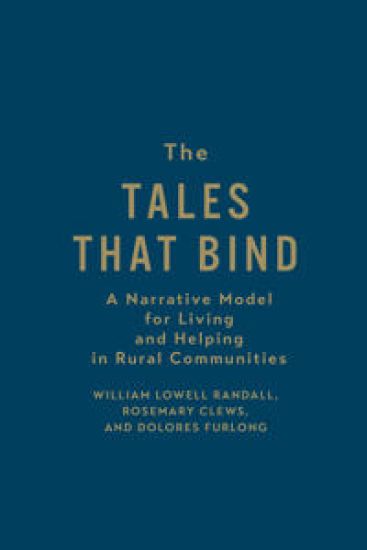
The Tales That Bind

The Tales That Bind

William L. Randall; Rosemary Clews; Dolores Furlong

University of Toronto Press
2015
pokkari
Every year, thousands of new practitioners in professions such as social work, education, medicine, and the church leave the large urban centres where they received their training and go to work in small towns, remote hamlets, and other rural settings. Often they find themselves unprepared for professional life in these communities. Drawing on in-depth interviews conducted with more than forty practitioners working in a range of professions and communities throughout rural New Brunswick, The Tales that Bind presents a narrative approach to facing these challenges. Using fictionalized vignettes and autobiographical sketches, William Lowell Randall, Rosemary Clews, and Dolores Furlong argue that success as rural practitioners requires “knowing the story” – whether that is personal, communal, or regional. An accessible, practical guide to using narrative techniques in practice, The Tales that Bind is a unique resource for students, teachers, and professionals working in rural settings.
The Tales That Bind

The Tales That Bind

William L. Randall; Rosemary Clews; Dolores Furlong

University of Toronto Press
2015
sidottu
Every year, thousands of new practitioners in professions such as social work, education, medicine, and the church leave the large urban centres where they received their training and go to work in small towns, remote hamlets, and other rural settings. Often they find themselves unprepared for professional life in these communities. Drawing on in-depth interviews conducted with more than forty practitioners working in a range of professions and communities throughout rural New Brunswick, The Tales that Bind presents a narrative approach to facing these challenges. Using fictionalized vignettes and autobiographical sketches, William Lowell Randall, Rosemary Clews, and Dolores Furlong argue that success as rural practitioners requires “knowing the story” – whether that is personal, communal, or regional. An accessible, practical guide to using narrative techniques in practice, The Tales that Bind is a unique resource for students, teachers, and professionals working in rural settings.
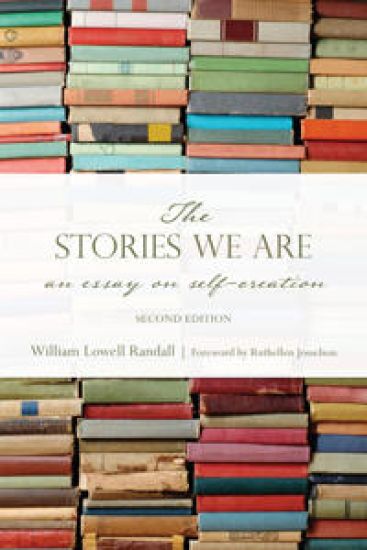
The Stories We Are

The Stories We Are

William L. Randall

University of Toronto Press
2014
pokkari
From time to time we all tend to wonder what sort of “story” our life might comprise: what it means, where it is going, and whether it hangs together as a whole. In The Stories We Are, William Lowell Randall explores the links between literature and life and speculates on the range of storytelling styles through which people compose their lives. In doing so, he draws on a variety of fields, including psychology, psychotherapy, theology, philosophy, feminist theory, and literary theory. Using categories like plot, character, point of view, and style, Randall plays with the possibility that we each make sense of the events of our lives to the extent that we weave them into our own unfolding novel, as simultaneously its author, narrator, main character, and reader. In the process, he offers us a unique perspective on features of our day-to-day world such as secrecy, self-deception, gossip, prejudice, intimacy, maturity, and the proverbial “art of living.” First published in 1995, this second edition of The Stories We Are includes a new preface and afterword by the author that offer insight into his argument and evolution as a scholar, as well as an illuminating foreword by Ruthellen Josselson.
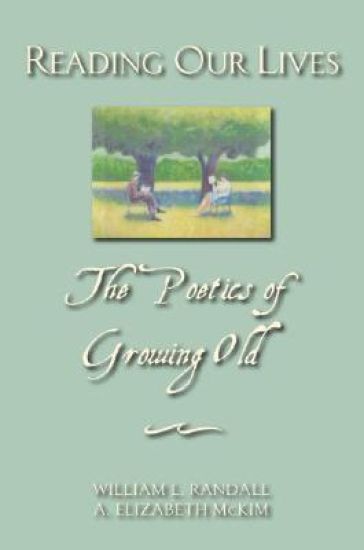
Reading Our Lives

Reading Our Lives

William L. Randall; Elizabeth McKim

Oxford University Press Inc
2008
sidottu
Against the background of Socrates' insight that the unexamined life is not worth living, Reading Our Lives investigates the often overlooked inside dimensions of aging. Despite popular portrayals of mid and later life as entailing inevitable decline, this book looks at ageing as, potentially, a process of poeisis: a creative endevour of fashioning meaning from the ever-accumulating texts - memories and reflections - that constitute our inner worlds. At its centre is the conviction that although we are constantly reading our lives to some degree anyway, doing so in a mindful manner is critical to our development in the second half of life. Drawing on research in numerous disciplines - including cognitive psychology, neuroscience, and the psychology of ageing - this book presents a vision of aging that promises to accommodate such time-honoured concepts as wisdom and spirituality; one that understands aging as a matter not merely of getting old but of consciously growing old.