Kirjojen hintavertailu. Mukana 12 499 417 kirjaa ja 12 kauppaa.

Kirjailija

William Ming Liu

Kirjat ja teokset yhdessä paikassa: 5 kirjaa, julkaisuja vuosilta 2003-2021, suosituimpien joukossa Psychology and the Social Class Worldview. Vertaile teosten hintoja ja tarkista saatavuus suomalaisista kirjakaupoista.

5 kirjaa

Kirjojen julkaisuhaarukka 2003-2021.

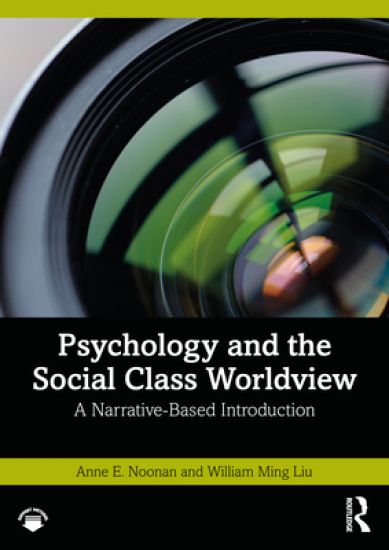
Psychology and the Social Class Worldview

Psychology and the Social Class Worldview

Anne E. Noonan; William Ming Liu

TAYLOR FRANCIS LTD
2021
nidottu
This unique textbook explores the complex topic of social class, explaining the many psychological nuances of class and classism in people’s lives as subjective and phenomenological experiences.Social class can be a deeply personal, complicated topic that is often frustrating and uncomfortable to discuss, and as such has often been a blind spot in teaching and academic literature. For the first time, Noonan and Liu look to address this in one comprehensive text, using a combination of first-person narratives, academic approaches to class, and psychology’s contributions to the subject. Across seven chapters, the book introduces a highly accessible theoretical model of the psychology of social class, Liu’s own Social Class Worldview Model. Using vivid autobiographical texts to bring the theoretical model to life, the authors show how our worldviews develop through interactions with our social class and economic environment and provide a unique array of methods and skill sets to help incorporate the model into teaching. Each section of the book guides the reader through core concepts in the area, from socioeconomic factors, social structures, poverty, race, racism, White privilege, and White supremacy.Featuring activity suggestions, discussion questions, and writing prompts to help apply theory to real-life narratives, this is the ideal resource for students and instructors across psychology, sociology, health economics, and social work, as well as anyone taking courses on examining social class.

Psychology and the Social Class Worldview

Psychology and the Social Class Worldview

Anne E. Noonan; William Ming Liu

TAYLOR FRANCIS LTD
2021
sidottu
This unique textbook explores the complex topic of social class, explaining the many psychological nuances of class and classism in people’s lives as subjective and phenomenological experiences.Social class can be a deeply personal, complicated topic that is often frustrating and uncomfortable to discuss, and as such has often been a blind spot in teaching and academic literature. For the first time, Noonan and Liu look to address this in one comprehensive text, using a combination of first-person narratives, academic approaches to class, and psychology’s contributions to the subject. Across seven chapters, the book introduces a highly accessible theoretical model of the psychology of social class, Liu’s own Social Class Worldview Model. Using vivid autobiographical texts to bring the theoretical model to life, the authors show how our worldviews develop through interactions with our social class and economic environment and provide a unique array of methods and skill sets to help incorporate the model into teaching. Each section of the book guides the reader through core concepts in the area, from socioeconomic factors, social structures, poverty, race, racism, White privilege, and White supremacy.Featuring activity suggestions, discussion questions, and writing prompts to help apply theory to real-life narratives, this is the ideal resource for students and instructors across psychology, sociology, health economics, and social work, as well as anyone taking courses on examining social class.
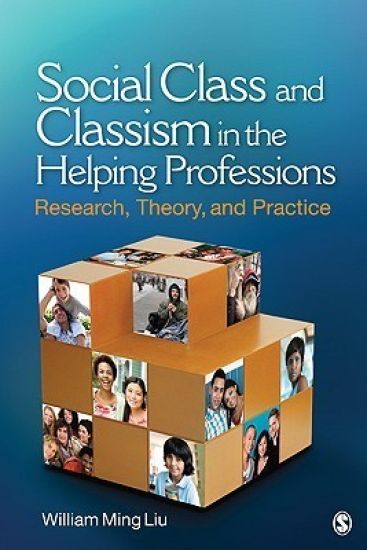
Social Class and Classism in the Helping Professions

Social Class and Classism in the Helping Professions

William Ming Liu

SAGE Publications Inc
2010
sidottu
Provide your students with engaging material on social class and classism The impact of social class and classism on mental health functioning crosses racial, ethnic, and social lines and significantly contributes to our overall well-being. Any attempt to understand individuals must include an understanding of how economic issues and class have contributed to their difficulties. In Social Class and Classism in the Helping Professions, author William Ming Liu presents theory and research on the impact of classism and social class on mental health. He provides an original framework—the Social Class Worldview Model—for exploring each person's individual and subjective life experiences. These experiences form a perspective that is unique to the individual. The author then helps the reader integrate this realization into the study of poverty, economic inequality, wealth, and the often overlooked implications of greed, materialism, and consumerism for a more complete understanding of social class and classism. Intended Audience This text is intended as a supplement for graduate and advanced undergraduate courses that address psychological and counseling theories, multicultural counseling, and research in the helping professions. These courses may be found in departments of counseling, rehabilitation, psychology, education, nursing, and social work.
Social Class and Classism in the Helping Professions

Social Class and Classism in the Helping Professions

William Ming Liu

SAGE Publications Inc
2010
nidottu
Provide your students with engaging material on social class and classism The impact of social class and classism on mental health functioning crosses racial, ethnic, and social lines and significantly contributes to our overall well-being. Any attempt to understand individuals must include an understanding of how economic issues and class have contributed to their difficulties. In Social Class and Classism in the Helping Professions, author William Ming Liu presents theory and research on the impact of classism and social class on mental health. He provides an original framework—the Social Class Worldview Model—for exploring each person's individual and subjective life experiences. These experiences form a perspective that is unique to the individual. The author then helps the reader integrate this realization into the study of poverty, economic inequality, wealth, and the often overlooked implications of greed, materialism, and consumerism for a more complete understanding of social class and classism. Intended Audience This text is intended as a supplement for graduate and advanced undergraduate courses that address psychological and counseling theories, multicultural counseling, and research in the helping professions. These courses may be found in departments of counseling, rehabilitation, psychology, education, nursing, and social work.
Handbook of Multicultural Competencies in Counseling and Psychology

Handbook of Multicultural Competencies in Counseling and Psychology

Donald B. Pope-Davis; Hardin L. K. Coleman; William Ming Liu; Rebecca L. Toporek

SAGE Publications Inc
2003
sidottu
Cultural differences affect the way people think, feel, and act. In an increasingly diverse society, multicultural competency in research and counseling is not merely a matter of political correctness. It is a matter of scientific and professional responsibility. Handbook of Multicultural Competencies in Counseling and Psychology is the first book to offer the theoretical background, practical knowledge, and training strategies needed to achieve multicultural competence. Focusing on a wide range of professional settings, editors Donald B. Pope-Davis, Hardin L.K. Coleman, William Ming Liu, and Rebecca L. Toporek provide a compendium of the latest research related to multicultural competency and the hands-on framework to develop specialized multicultural practices. Promoting an appreciation of cultural differences, this innovative text includes A review of major measures of multicultural competencyAn analysis of popular empirically supported treatments within the schema of multicultural competencyInformation on multicultural competencies and accreditationAn overview of ethical implicationsTeaching strategies to achieve multicultural competency Handbook of Multicultural Competencies in Counseling and Psychology provides a comprehensive foundation for understanding and integrating multiculturalism in all areas of professional practice. Offering directions for growth and development, the editors and a distinguished group of contributors explore emerging issues within the field. An indispensable resource for psychologists, social workers, school counselors, and teachers, this handbook is also an ideal supplementary text for students in counseling and clinical practice courses.