
Kirjailija
William R. Pinch
Kirjat ja teokset yhdessä paikassa: 5 kirjaa, julkaisuja vuosilta 1996-2025, suosituimpien joukossa Warrior Ascetics and Indian Empires. Vertaile teosten hintoja ja tarkista saatavuus suomalaisista kirjakaupoista.
5 kirjaa
Kirjojen julkaisuhaarukka 1996-2025.
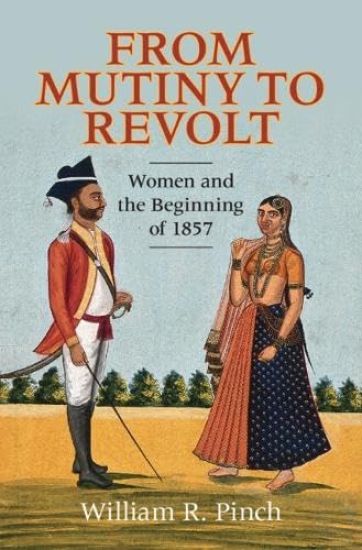
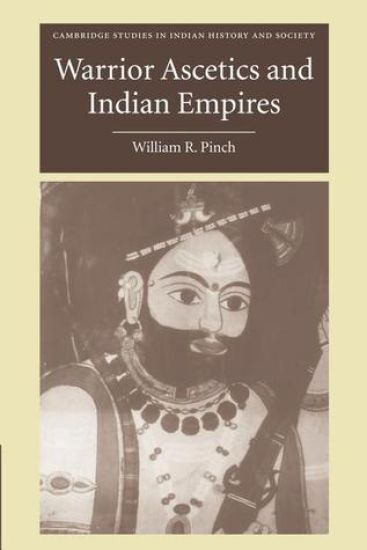
Many people assume, largely because of Gandhi's legacy, that Hinduism is a religion of non-violence. In this 2006 book William R. Pinch shows just how wrong this assumption is. Using the life of Anupgiri Gosain, a Hindu ascetic who lived at the end of the eighteenth century, he demonstrates that Hindu warrior ascetics were an important component of the South Asian military labor market in the medieval and early modern Indian past, and crucial to the rise of British imperialism. Today, they occupy a prominent place in modern Indian imaginations, ironically as romantic defenders of a Hindu India against foreign invasion, even though they are almost totally absent from Indian history. William R. Pinch's innovative and gloriously composed book sets out to piece together the story of the rise and demise of warrior asceticism in India from the 1500s to the present. It will appeal to students of religion and historians of empire.
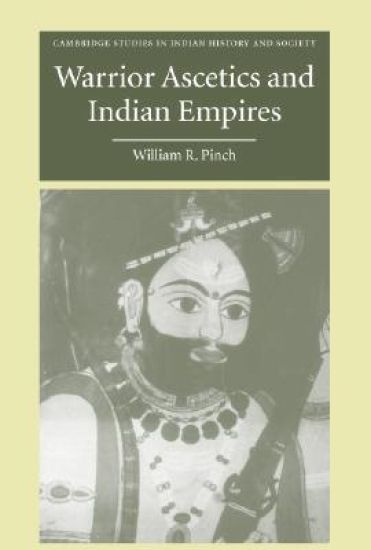
Many people assume, largely because of Gandhi's legacy, that Hinduism is a religion of non-violence. In this 2006 book William R. Pinch shows just how wrong this assumption is. Using the life of Anupgiri Gosain, a Hindu ascetic who lived at the end of the eighteenth century, he demonstrates that Hindu warrior ascetics were an important component of the South Asian military labor market in the medieval and early modern Indian past, and crucial to the rise of British imperialism. Today, they occupy a prominent place in modern Indian imaginations, ironically as romantic defenders of a Hindu India against foreign invasion, even though they are almost totally absent from Indian history. William R. Pinch's innovative and gloriously composed book sets out to piece together the story of the rise and demise of warrior asceticism in India from the 1500s to the present. It will appeal to students of religion and historians of empire.
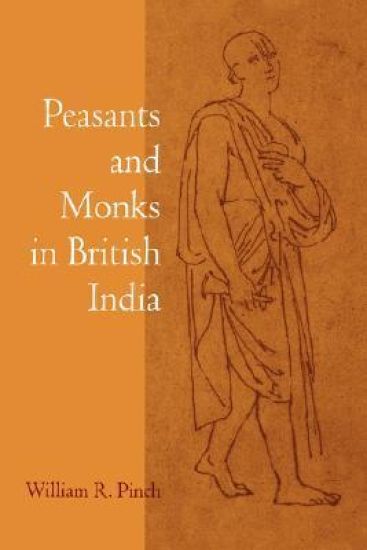
In this compelling social history, William R. Pinch tackles one of the most important but most neglected fields of the colonial history of India: the relation between monasticism and caste. The highly original inquiry yields rich insights into the central structure and dynamics of Hindu society - insights that are not only of scholarly but also of great political significance. Perhaps no two images are more associated with rural India than the peasant who labors in an oppressive, inflexible social structure and the ascetic monk who denounces worldly concerns. Pinch argues that, contrary to these stereotypes, North India's monks and peasants have not been passive observers of history; they have often been engaged with questions of identity, status, and hierarchy - particularly during the British period. Pinch's work is especially concerned with the ways each group manipulated the rhetoric of religious devotion and caste to further its own agenda for social reform. Although their aims may have been quite different - Ramanandi monastics worked for social equity, while peasants agitated for higher social status - the strategies employed by these two communities shaped the popular political culture of Gangetic north India during and after the struggle for independence from the British.