Kirjojen hintavertailu. Mukana 12 533 544 kirjaa ja 12 kauppaa.
Kirjailija
William Rabkin
Kirjat ja teokset yhdessä paikassa: 14 kirjaa, julkaisuja vuosilta 2003-2022, suosituimpien joukossa The Dead Man Volume 7. Vertaile teosten hintoja ja tarkista saatavuus suomalaisista kirjakaupoista.
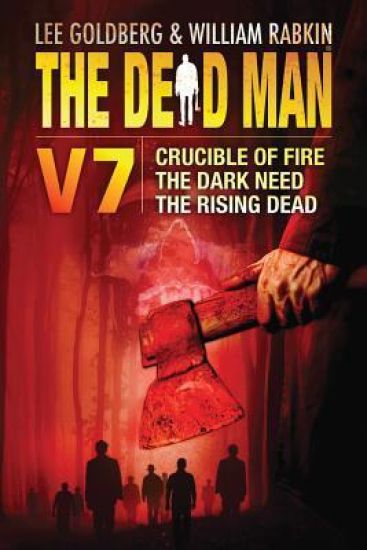
After dying in a freak accident, Matt Cahill inexplicably “wakes up” three months later with the disturbing ability to see things—terrible things—that others cannot. Drafted as a warrior in the battle between good and evil, Matt will stop at nothing to destroy the malevolent Mr. Dark. In The Dead Man Volume 7, a trio of sinister new stories tracks the reluctant hero on his nightmarish quest. Matt Cahill is part of a team of smokejumpers who are dropped into the heart of a raging forest fire that is fueled by a flamethrower-wielding madman under the sway of Mr. Dark. Almost every living thing in this hellacious Crucible of Fire, including Matt’s fellow firefighters, are falling prey to Mr. Dark’s evil touch and bowing to his furious command: Kill the Dead Man! Matt is tracking a blood-sucking, shape-shifting killer through the icy Cascade Mountains when he encounters a mysterious woman who is on the same corpse-strewn trail...but who has a terrifying secret of her own...and an unspeakable lust for The Dark Need. In the blasted hell of the Arizona desert, Matt hitches a ride with a young couple who meets a terrible fate that he’s powerless to stop. The bloody encounter leads him to a deadly stranger who may know why Matt became part of The Rising Dead. But first they must survive in an unforgiving wasteland to do battle with a gang of heavily-armed smugglers who trade in human flesh.
The box office smash Back to the Future was almost a bomb, saved only by the talents of Michael J. Fox, who was brought in to star six weeks after production had started. Ivan Reitman wasn't really interested in directing Ghostbusters. Producer Gloria Katz described Howard the Duck as "a comedy about a person with certain particular characteristics," foremost of which was that he was a duck. These insights and many more are revealed in these interviews with some of the leading creative talents in Hollywood fantasy films during the 1980s. Fox, Reitman, Katz, Joe Dante, Robert Zemeckis, Richard Donner, Jamie Gertz, Ray Bradbury, Michael Ritchie, Timothy Dalton and others discuss Big Trouble in Little China, James Bond, Conan, Dead Zone, Gremlins, Ladyhawke, Lost Boys, and other fantasy films of the decade. Each of the interviews (previously published in a different form in Starlog) is preceded by a brief introduction setting it in context. "All the interviews are informative" Classic Images "Gives a variety of perspectives...enjoyable and informative" Library Journal
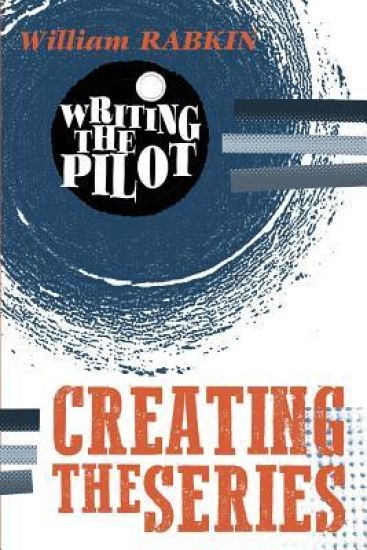
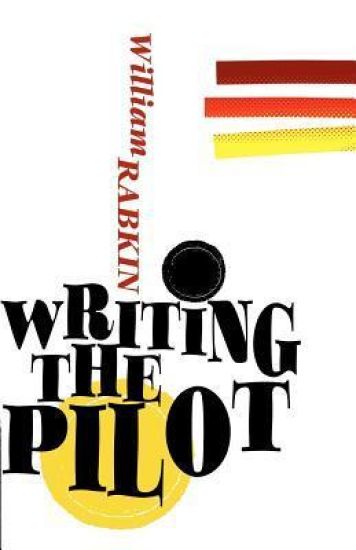
When I finished Writing the Pilot a few years back, I figured I'd managed to cram everything I had to say on the subject in that little 90-page package. But that was 2011, and in the years that have passed, a lot has changed about the television business.And when I say "a lot," I mean everything. The way series are bought. The way series are conceived. The way stories are told. The way series are consumed. The kinds of stories that can be told. The limitations on content at every level. The limitations on form at every level. And maybe most important of all: The restriction on who is allowed to sell a series.What's far more confusing about the future is that there are as many changes in the business models for "broadcasters" out there, and no one knows which ones will prevail. And the changes in the delivery model are actually affecting the way our viewers watch our shows - and that in turn is affecting the shows that are being bought and produced. It turns out that we approach a series differently if we're going to binge an entire season in three days instead of taking it week by week. And while you might leap to the conclusion that this only applies to shows produced for Netflix, that's actually not true - the market for syndicated reruns on independent and cable channels is mostly dead, and the afterlife for almost every drama currently produced will be on a streaming service. So in those cases you are writing for two completely different audiences.And this is only the beginning of the forces that are changing the ways stories are told on television these days. Who could have guessed, for example, that a change in the way networks count their viewers would result in a huge acceleration in the pace of storytelling? Or that an overabundance of outlets would lead to a complete liberalization of the kinds of stories that would be allowed to serve as foundation for a series?TV drama storytelling has been changing constantly since the turn of the millennium, but the pace of that change seems to accelerate with every passing television season - except that there really isn't any such thing as a television season anymore. Series are getting bigger and faster - and also slower and smaller. A hit show from even five years ago can look hopelessly dated in this new world. And the only thing that's certain is that everything is going to keep changing. Well - almost everything. Because the one constant in this new television world is the need for great writing. Strong concepts, rich characters, intriguing plots. And more even than great writing: a voice. There's a desperate hunger out there for a fresh, original vision, something that can cut through the clutter of all those hundreds of other shows out there.But in order for that voice to be yours, you've got to understand how TV writing has changed - and what it may be changing to. That's why I've written this book. I believe that almost all of what I said in Writing the Pilot still applies, but right now it feels there's a lot to talk about that wasn't even a fantasy back in 2011. This book is about addressing the changes that have overtaken the TV business - and more importantly, have overtaken TV storytelling. I'm going to be talking about all the changes I listed above, and how they may - how they must - affect your pilot.In many ways, this is the greatest time in the history of our art form to be a TV writer. There are no limits to the stories you can tell or the ways you can tell them. But beneath what appears to be a market in chaos, there are still rules that guide our storytelling - and you can't get into the game before you master them.
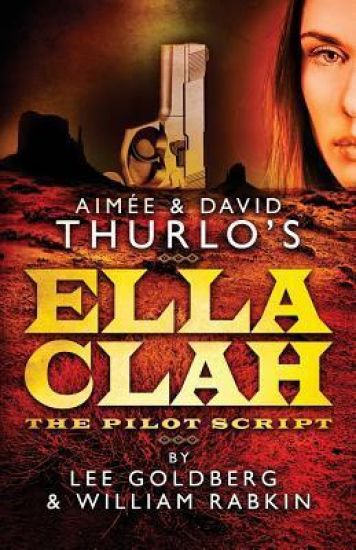
THE UNTOLD STORY...Aimee & David Thurlo's Ella Clah, a Navajo Police special investigator, is one of the most enduring and popular characters in detective fiction today. Ella's dedicated fans have long dreamed of the bestselling, critically acclaimed series coming to television...and it almost happened. In 2001, CBS commissioned a pilot script, a sample episode of a proposed series, from writer/producers Lee Goldberg & William Rabkin. Sadly, the Ella Clah pilot ultimately wasn't produced, and ever since, the script has been hotly sought-after by fans. Here, at long last, is that rare pilot script, along with the original sales treatment, six episode ideas, a foreword by the Thurlos, and a detailed account from Goldberg & Rabkin about how they approached their adaptation and what their plans were for the TV series. It's an exciting, must-read story for Ella Clah fans and aspiring TV screenwriters alike and a fascinating peek behind-the-scenes of network television."One of the genre's most believable and empathetic protagonists," Booklist "A tough, appealing heroine who faces personal conflict between professional duty and pride in her heritage," Publishers Weekly
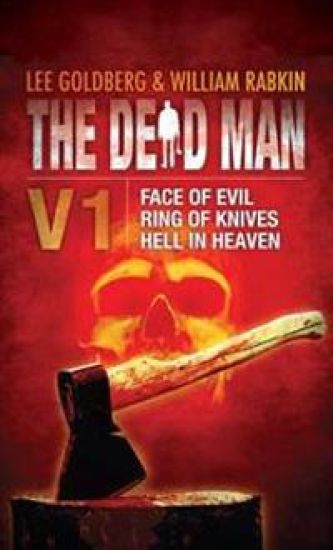
Three stories of unspeakable evil make up "The Dead Man Volume 1", an action adventure collection full of dark humor, surprising twists, and supernatural terror: "Face of Evil", "Hell in Heaven", and "Ring of Knives".
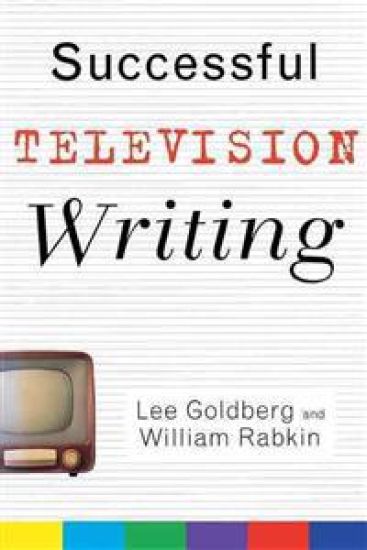
The industry speaks out about SUCCESSFUL TELEVISION WRITING ""Where was this book when I was starting out? A fantastic, fun, informative guide to breaking into?and more importantly, staying in?the TV writing game from the guys who taught me how to play it.""--Terence Winter, Coexecutive Producer, The Sopranos ""Goldberg and Rabkin write not only with clarity and wit but also with the authority gleaned from their years of slogging through Hollywood's trenches. Here is a must-read for new writers and established practitioners whose imagination could use a booster shot.""--Professor Richard Walter, Screenwriting Chairman, UCLA Department of Film and TV ""Not since William Goldman's Adventures in the Screen Trade has there been a book this revealing, funny, and informative about The Industry. Reading this book is like having a good, long lunch with your two best friends in the TV business.""--Janet Evanovich ""With sharp wit and painful honesty, Goldberg and Rabkin offer the truest account yet of working in the TV business. Accept no substitutes ""--Jeffrey B. Hodes and Nastaran Dibai, Coexecutive Producers, Third Rock from the Sun ""Should be required reading for all aspiring television writers.""--Howard Gordon, Executive Producer, 24 and The X-Files
The industry speaks out about SUCCESSFUL TELEVISION WRITING "Where was this book when I was starting out? A fantastic, fun, informative guide to breaking into–and more importantly, staying in–the TV writing game from the guys who taught me how to play it." Terence Winter, Coexecutive Producer, The Sopranos "Goldberg and Rabkin write not only with clarity and wit but also with the authority gleaned from their years of slogging through Hollywood’s trenches. Here is a must-read for new writers and established practitioners whose imagination could use a booster shot." Professor Richard Walter, Screenwriting Chairman, UCLA Department of Film and TV "Not since William Goldman’s Adventures in the Screen Trade has there been a book this revealing, funny, and informative about The Industry. Reading this book is like having a good, long lunch with your two best friends in the TV business." Janet Evanovich "With sharp wit and painful honesty, Goldberg and Rabkin offer the truest account yet of working in the TV business. Accept no substitutes!" Jeffrey B. Hodes and Nastaran Dibai, Coexecutive Producers, Third Rock from the Sun "Should be required reading for all aspiring television writers." Howard Gordon, Executive Producer, 24 and The X-Files