Kirjojen hintavertailu. Mukana 12 364 216 kirjaa ja 12 kauppaa.
Kirjailija
Windy Dryden
Kirjat ja teokset yhdessä paikassa: 211 kirjaa, julkaisuja vuosilta 1990-2026, suosituimpien joukossa Developing Cognitive-Behavioural Counselling. Vertaile teosten hintoja ja tarkista saatavuus suomalaisista kirjakaupoista.
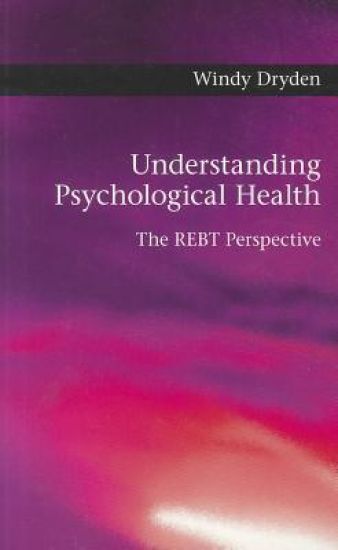
This book draws on Rational Emotive Behaviour Therapy (REBT) - which focuses on resolving emotional and behavioural problems and disturbances and enables people to lead happier and more fulfilling lives - to provide an understanding of psychological health. Each chapter looks at an important aspect of psychological health and then discusses it in relation to the REBT approach. Divided into two parts the book looks first at how people can remain psychologically healthy in the face of adversity and then goes on to discuss how these healthy philosophies underpin certain key areas of psychological health. As such, topics of discussion include: flexibilityacceptanceself-motivationresilience. Understanding Psychological Health will be of great interest to all therapists in both practice and training.
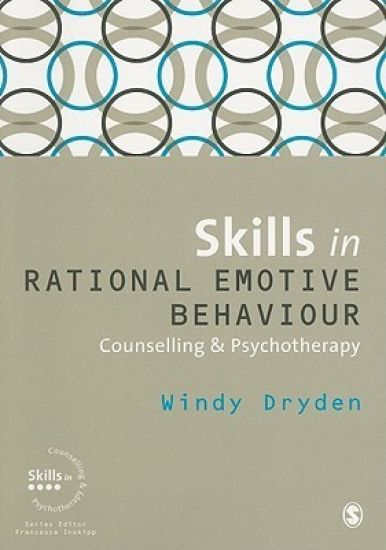
Seminars by Professor Windy Dryden. See the man live and in action. To find out more and to book your place go to www.cityminds.com _________________________________________ 'A masterly exposition of REBT skills by a master practitioner of them. An essential addition to your REBT reading list.' Michael Neenan, Centre for REBT, Bromley, Kent. Skills in Rational Emotive Behaviour Counselling and Psychotherapy is a practical guide to the application of the rational emotive behaviour approach at each stage of the therapeutic process. Taking the reader through these stages, the book focuses on skills which arise out of rational emotive behaviour theory (REBT) as well as those invoked by the therapeutic relationship. Accessibly written by the authority in this field, Windy Dryden uses his 30 years of experience in REBT training to draw on skills that trainees and those seeking to incorporate REBT into their existing practice find particularly difficult. He discusses: - theoretical and practical features of REBT and the importance of the therapeutic alliance - the skills involved in the active-directive approach - specific examples of clients' problems. - helping clients to identify and deal with core irrational beliefs - homework negotiation - common reasons for and skills in responding to client lack of progress For all those training in REBT or who wish to sharpen their skills as practitioners, this is essential reading.
Seminars by Professor Windy Dryden. See the man live and in action. To find out more and to book your place go to www.cityminds.com _________________________________________ 'A masterly exposition of REBT skills by a master practitioner of them. An essential addition to your REBT reading list.' Michael Neenan, Centre for REBT, Bromley, Kent. Skills in Rational Emotive Behaviour Counselling and Psychotherapy is a practical guide to the application of the rational emotive behaviour approach at each stage of the therapeutic process. Taking the reader through these stages, the book focuses on skills which arise out of rational emotive behaviour theory (REBT) as well as those invoked by the therapeutic relationship. Accessibly written by the authority in this field, Windy Dryden uses his 30 years of experience in REBT training to draw on skills that trainees and those seeking to incorporate REBT into their existing practice find particularly difficult. He discusses: - theoretical and practical features of REBT and the importance of the therapeutic alliance - the skills involved in the active-directive approach - specific examples of clients' problems. - helping clients to identify and deal with core irrational beliefs - homework negotiation - common reasons for and skills in responding to client lack of progress For all those training in REBT or who wish to sharpen their skills as practitioners, this is essential reading.
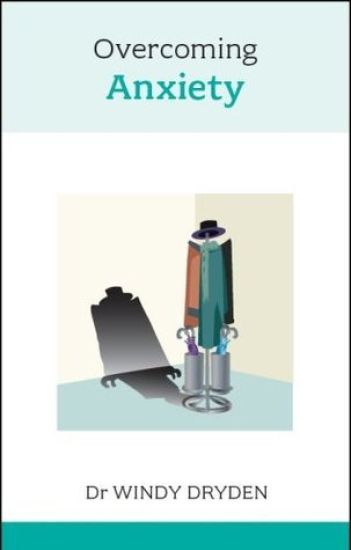
Anxiety is a problem that affects the whole of people's lives and can prove quite debilitating. Thousands of people suffer from anxiety and would like to overcome it. Using the popular Rational Emotive Behavioural Therapy approach, Windy Dryden shows how this can be done.
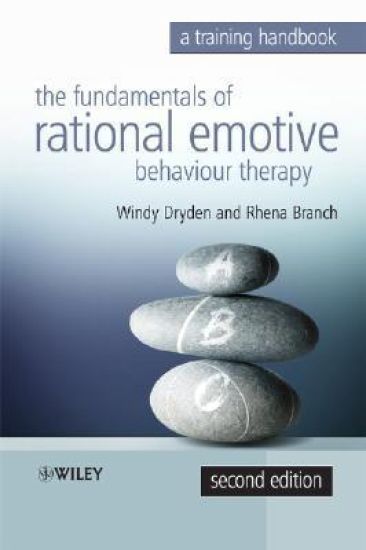
A complete introduction to REBT, an approach to CBT which argues that at the core of emotional disturbance lies a set of irrational beliefs that people hold about themselves and others Essential for counsellors who are beginning to use REBT with clients - recreates the 'feel'of a training course and alerts trainees to difficulties they may experience when using REBT in practiceCovers all the basic theoretical and practical information that trainees need to begin using REBT, with special attention paid to disputing irrational beliefs and helping clients set goalsWindy Dryden is the world's best-known and most prolific name in REBT after its founder (the late Albert Ellis), and there is no direct competition to this unique handbook
A complete introduction to REBT, an approach to CBT which argues that at the core of emotional disturbance lies a set of irrational beliefs that people hold about themselves and others Essential for counsellors who are beginning to use REBT with clients - recreates the 'feel'of a training course and alerts trainees to difficulties they may experience when using REBT in practiceCovers all the basic theoretical and practical information that trainees need to begin using REBT, with special attention paid to disputing irrational beliefs and helping clients set goalsWindy Dryden is the world's best-known and most prolific name in REBT after its founder (the late Albert Ellis), and there is no direct competition to this unique handbook
Reissued with a new foreword by Raymond DiGiuseppe, PhD, ScD, St. John's University New trainees often get the theory of psychopathology; they struggle to get the case conceptualization and the strategic plan. Then they ask themselves. "What do I do now?" Going from the abstractions to the actions is not always clear. The Practice of Rational Emotive Behavior Therapy represents a compilation of years of theoretical and clinical insights distilled into a specific theory of disturbance and therapy and deductions for specific clinical strategies and techniques....The structure of this books focuses on an explication of the theory, a chapter on basic practice, and a chapter on an in depth case study. A detailed chapter follows on the practice of individual psychotherapy. Although the book is not broken into sections, the next four chapters represent a real treasure. The authors focus on using REBT in couples, family, group, and marathons sessions. Doing REBT with one person is difficult to learn. Once the clinician adds more people to the room with different and sometimes competing agendas things get more complicated. These chapters will not only help the novice clinician but also the experienced REBT therapists work better in these types of sessions. So, consider yourself lucky for having picked up this book. Reading it will help many people get better." - From the Foreword by Raymond DiGiuseppe, PhD, ScD, Director of Professional Education, Albert Ellis Institute; Professor and Chair, Department of Psychology, St. John's University This edition, involving a unique collaboration between Albert Ellis and the world's greatest Ellis scholar, Windy Dryden, modernizes Ellis's pioneering theories. The book begins with an explanation of rational emotive behavior therapy as a general treatment model and then addresses different treatment modalities, including individual, couple, family, and sex therapy. The authors have added material new since the book's original edition on teaching the principles of unconditional self-acceptance in a structured group setting. With extensive use of actual case examples to illustrate each of the different settings, and a new brand new foreword by Raymond DiGiuseppe that sets the book into its 21st-century context.
We all feel hurt or sad sometimes, whether it's from rejection, betrayal or feeling used. But it is when we carry this feeling of hurt around with us over a long period of time that it can do untold damage. In Overcoming Hurt, Professor Windy Dryden shows that other people do not in fact have the power to cause you hurt - either by their actions or by their failure to act - it's how you choose to react to other people that matters. And you may have more choices than you think: sorrow, for example, is a healthy alternative to prolonged hurt and can be surprisingly empowering. Using Rational Emotive Behaviour Therapy, this book: explains your choices carefully helps you to identify specific situations that may be sources of hurt suggests alternative ways to react to potentially hurtful situations helps you define your problem and set goals suggests ways you may analyse your frustration tolerance level looks at how to become less prone to hurt This book helps you develop a healthy approach to relationships so you can move away from being a passive victim and be in a position to make more powerful choices.
What is Rational Emotive Behaviour Therapy?Rational Emotive Behaviour Therapy (REBT) encourages direct focus on emotional problems, encouraging understanding of the thoughts, beliefs and behaviours that are responsible for maintaining these problems. REBT encourages a healthier outlook by teaching individuals to challenge their irrational thoughts.Getting Started with REBT provides a concise guide to assessing the suitability of REBT and using this method to address your emotional problems. The book is divided into two sections, beginning with an introduction to the theory and practice of REBT that will enable the reader to make an informed decision about whether this method is right for them. The second section guides the reader through issues that are relevant to all emotional problems, demonstrating how to:Formulate emotional problems and set goalsQuestion irrational and rational beliefsStrengthen conviction in rational beliefsGetting Started with REBT is suitable for use either alone or in conjunction with work with an REBT therapist. It will also be of interest to therapists and counsellors.
What is Rational Emotive Behaviour Therapy?Rational Emotive Behaviour Therapy (REBT) encourages direct focus on emotional problems, encouraging understanding of the thoughts, beliefs and behaviours that are responsible for maintaining these problems. REBT encourages a healthier outlook by teaching individuals to challenge their irrational thoughts.Getting Started with REBT provides a concise guide to assessing the suitability of REBT and using this method to address your emotional problems. The book is divided into two sections, beginning with an introduction to the theory and practice of REBT that will enable the reader to make an informed decision about whether this method is right for them. The second section guides the reader through issues that are relevant to all emotional problems, demonstrating how to:Formulate emotional problems and set goalsQuestion irrational and rational beliefsStrengthen conviction in rational beliefsGetting Started with REBT is suitable for use either alone or in conjunction with work with an REBT therapist. It will also be of interest to therapists and counsellors.
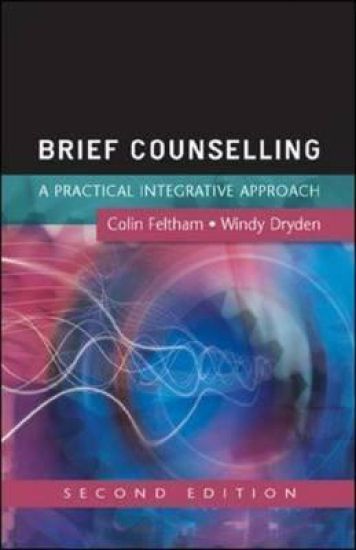
Praise for the previous edition:“…an excellent resource for all trainee and beginning counsellors irrespective of theoretical orientation. I regard it as a core text for Professional and Clinical Practice components of counsellor education and training courses.”Ian Horton, formerly Principal Lecturer, University of East LondonPraise for the current edition:"This book is a must. It informs the beginner and experienced counsellor howto undertake brief counselling, step by step, from orienting the client tocounselling, to termination of counselling."Professor Stephen Palmer, City University, London and Director for the Centre for Stress Management.Almost two thirds of counsellors and psychotherapists work with clients in up to twenty sessions each: this book reflects that reality and the challenges involved. The bestselling first edition of this book, by two of the UK's leading counsellor trainers and academics, was praised by trainers and tutors for its accessibility, comprehensiveness and practicality. It was also a leading contribution to the movement towards time-conscious counselling and to an understanding of the therapeutic alliance across time. The second edition has been thoroughly updated to include significant recent professional developments and new thinking in the counselling field. Additions include more detailed discussion of:Assessment ContractingVery brief counsellingClinical reasoningClients' modalitiesTechnical repertoireDepression and realismSupervision of brief counsellingIn the rapidly maturing profession of counselling, this book's sensitivity to time as a precious resource, clients' perceptions, evidence-based guidelines and integration of some of the best thinking from several counselling models make it an ideal core text for beginners and reflective practitioners. Thoughtful and busy practitioners in primary care, employee counselling, educational, voluntary and private practice settings will find many immediately helpful ideas and examples in this classic text.
Jealousy can be destructive, and an atmosphere of suspicion can ruin relationships and undermine your confidence. Windy Dryden's refreshingly practical approach will help you understand your feelings, and distinguish between healthy and unhealthy reactions to the behaviour of those you love. His advice will show you how to cope, boost your confidence, and stop feeling insecure. This book will enable you to think through whether your fears are reasonable, and build relationships of confidence and trust.
Counselling for Stress Problems, Second Edition, is a comprehensive guide to stress counselling and stress management from a multimodal perspective. Clear guidelines show practitioners how they can give their clients the most effective help for their stress problems using a technically eclectic and systematic approach. The authors discuss the symptoms and causes of stress and outline a broad framework in which stress problems can be understood and assessed. They emphasize the importance of assessment in providing a useful guide to the selection of multimodal interventions and of tailoring the counselling approach to the problems of each client. Chapters discuss the range of interventions that can be used - cognitive, imagery, behavioural, sensory, interpersonal and health/lifestyle - and the most useful techniques that can be employed within these models, including: o disputing irrational beliefs; o coping imagery; o relaxation training; o assertion training. The authors include illuminating case examples to illustrate commonly used techniques, and this new edition features two brand new case studies to further highlight practice. Counselling for Stress Problems, Second Edition, takes a pragmatic and empirical approach to stress counselling and provides an invaluable guide for psychotherapists, counselling and health psychologists, and practicing and trainee counsellors from all backgrounds. Stephen Palmer is Founder Director of the Centre for Stress Management and the Centre for Coaching and is Honorary Professor of Psychology at City University. Windy Dryden currently works at Goldsmiths College where he is Professor of Psychotherapeutic Studies as well as being the Programme Co-ordinator of the MSc in Rational Emotive Behaviour Therapy and the Diploma in Cognitive Approaches to Counselling and Psychotherapy.
Counselling for Stress Problems, Second Edition, is a comprehensive guide to stress counselling and stress management from a multimodal perspective. Clear guidelines show practitioners how they can give their clients the most effective help for their stress problems using a technically eclectic and systematic approach. The authors discuss the symptoms and causes of stress and outline a broad framework in which stress problems can be understood and assessed. They emphasize the importance of assessment in providing a useful guide to the selection of multimodal interventions and of tailoring the counselling approach to the problems of each client. Chapters discuss the range of interventions that can be used - cognitive, imagery, behavioural, sensory, interpersonal and health/lifestyle - and the most useful techniques that can be employed within these models, including: o disputing irrational beliefs; o coping imagery; o relaxation training; o assertion training. The authors include illuminating case examples to illustrate commonly used techniques, and this new edition features two brand new case studies to further highlight practice. Counselling for Stress Problems, Second Edition, takes a pragmatic and empirical approach to stress counselling and provides an invaluable guide for psychotherapists, counselling and health psychologists, and practicing and trainee counsellors from all backgrounds. Stephen Palmer is Founder Director of the Centre for Stress Management and the Centre for Coaching and is Honorary Professor of Psychology at City University. Windy Dryden currently works at Goldsmiths College where he is Professor of Psychotherapeutic Studies as well as being the Programme Co-ordinator of the MSc in Rational Emotive Behaviour Therapy and the Diploma in Cognitive Approaches to Counselling and Psychotherapy.
This book provides concise definitions of more than 1000 terms used in the field of counselling. As well as covering theory and practice, the book also includes client concerns and problems which may be helped by counselling, issues of professional and ethical interest to practitioners and clients, and words used in everyday language which have a particular meaning in the counselling context.
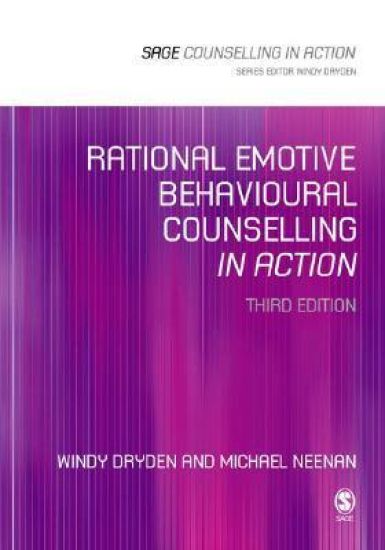
`The book is highly readable and makes extensive use of an actual case study in order to illustrate the approach' - Mark Edwards, Nurtuting Potential `As the creator of Rational Emotive Therapy I have probably read more books dealing with its theory and practice than has anyone else. Of all these books, Windy Dryden and Michael Neenan's is easily one of the best. In a remarkably concise way they have distilled most of the main principles and methods into a small, highly practical and exceptionally readable volume. Any counsellor or therapist will find this book unusually useful and valuable' - Albert Ellis, Albert Ellis Institute Rational Emotive Behavioural Counselling in Action, Third Edition is a brand new edition of this highly popular guide to a much used approach. Combining the theoretical with the practical, the book provides an accessible guide for newcomers to this form of counselling. The book describes the way in which the REB approach helps clients to identify the self-defeating beliefs behind their problems and instead to think, feel and behave differently as a means of achieving valued goals. Fully revised and updated, the book includes an important client case study following therapeutic work with `Paula', which introduces the reader to the strategies and techniques needed at every stage of the process. Here, the reader is given an insight into the nuts and bolts of the therapeutic session, including conversations between client and therapist to illustrate the counselling sequence, how to help the client achieve goals, and how to end the counselling process. Rational Emotive Behavioural Counselling in Action, Third Edition is invaluable for trainees of REB counselling, as well as those who want to incorporate elements of the approach into their own therapeutic work.
`The book is highly readable and makes extensive use of an actual case study in order to illustrate the approach' - Mark Edwards, Nurtuting Potential `As the creator of Rational Emotive Therapy I have probably read more books dealing with its theory and practice than has anyone else. Of all these books, Windy Dryden and Michael Neenan's is easily one of the best. In a remarkably concise way they have distilled most of the main principles and methods into a small, highly practical and exceptionally readable volume. Any counsellor or therapist will find this book unusually useful and valuable' - Albert Ellis, Albert Ellis Institute Rational Emotive Behavioural Counselling in Action, Third Edition is a brand new edition of this highly popular guide to a much used approach. Combining the theoretical with the practical, the book provides an accessible guide for newcomers to this form of counselling. The book describes the way in which the REB approach helps clients to identify the self-defeating beliefs behind their problems and instead to think, feel and behave differently as a means of achieving valued goals. Fully revised and updated, the book includes an important client case study following therapeutic work with `Paula', which introduces the reader to the strategies and techniques needed at every stage of the process. Here, the reader is given an insight into the nuts and bolts of the therapeutic session, including conversations between client and therapist to illustrate the counselling sequence, how to help the client achieve goals, and how to end the counselling process. Rational Emotive Behavioural Counselling in Action, Third Edition is invaluable for trainees of REB counselling, as well as those who want to incorporate elements of the approach into their own therapeutic work.
Seminars by Professor Windy Dryden. See the man live and in action. To find out more and to book your place go to www.cityminds.com _______________________________________ `The REBT Approach to Therapeutic Change is again an excellent introduction for trainee and practising counsellors, or anyone interested in the subject. The outline of the approach is very clear and is helped by examples in chart form' - Mark Edwards, Nurtuting Potential `A remarkably useful book for the practitioners of Rational Emotive Behaviour Therapy and other kinds of Cognitive Behaviour Therapy!... Definitive and thorough going'- Albert Ellis `Change' is at the heart of counselling and psychotherapy. Clients enter into the therapeutic process in the hope that something in themselves or their situation will be different by the end. Counsellors and Psychotherapists therefore need to understand the nature of change and how best to facilitate it. This is the subject of The Rational Emotive Behavioural Approach to Therapeutic Change. Central to the REBT approach is the view that many of the problems people experience in life are largely determinded by irrational beliefs they hold about themselves, other people and the world. The therapist's role is therefore to help clients identify, challenge and change these unhelpful beliefs. The book describes the cognitive, emotional and behavioural techniques which clients can use to promote psychological change in themselves. It also discusses obstacles to change, which may arise at different points in the therapeutic process and provides strategies for tackling them. Despite its centrality within counselling and psychotherapy, surprisingly little has been written on the subject of change and in a way that is accessible for trainees and practitioners. The Rational Emotive Behavioural Approach to Therapeutic Change will be welcomed both by those specializing in REBT and those trained in other approaches wanting to learn more about the change process in counselling and psychotherapy.
Seminars by Professor Windy Dryden. See the man live and in action. To find out more and to book your place go to www.cityminds.com _______________________________________ `The REBT Approach to Therapeutic Change is again an excellent introduction for trainee and practising counsellors, or anyone interested in the subject. The outline of the approach is very clear and is helped by examples in chart form' - Mark Edwards, Nurtuting Potential `A remarkably useful book for the practitioners of Rational Emotive Behaviour Therapy and other kinds of Cognitive Behaviour Therapy!... Definitive and thorough going'- Albert Ellis `Change' is at the heart of counselling and psychotherapy. Clients enter into the therapeutic process in the hope that something in themselves or their situation will be different by the end. Counsellors and Psychotherapists therefore need to understand the nature of change and how best to facilitate it. This is the subject of The Rational Emotive Behavioural Approach to Therapeutic Change. Central to the REBT approach is the view that many of the problems people experience in life are largely determinded by irrational beliefs they hold about themselves, other people and the world. The therapist's role is therefore to help clients identify, challenge and change these unhelpful beliefs. The book describes the cognitive, emotional and behavioural techniques which clients can use to promote psychological change in themselves. It also discusses obstacles to change, which may arise at different points in the therapeutic process and provides strategies for tackling them. Despite its centrality within counselling and psychotherapy, surprisingly little has been written on the subject of change and in a way that is accessible for trainees and practitioners. The Rational Emotive Behavioural Approach to Therapeutic Change will be welcomed both by those specializing in REBT and those trained in other approaches wanting to learn more about the change process in counselling and psychotherapy.