Kirjojen hintavertailu. Mukana 12 390 323 kirjaa ja 12 kauppaa.

Kirjailija

Winston L. King

Kirjat ja teokset yhdessä paikassa: 5 kirjaa, julkaisuja vuosilta 1983-2010, suosituimpien joukossa Religion and Nothingness. Vertaile teosten hintoja ja tarkista saatavuus suomalaisista kirjakaupoista.

Mukana myös kirjoitusasut: Winston L King

5 kirjaa

Kirjojen julkaisuhaarukka 1983-2010.

Religion and Nothingness

Religion and Nothingness

Keiji Nishitani; Winston L. King

University of California Press
1983
pokkari
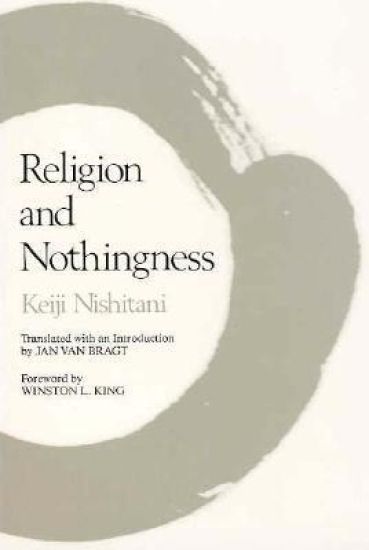
In "Religion and Nothingness" the leading representative of the Kyoto School of Philosophy lays the foundation of thought for a world in the making, for a world united beyond the differences of East and West. Keiji Nishitani notes the irreversible trend of Western civilization to nihilism, and singles out the conquest of nihilism as the task for contemporary philosophy. Nihility, or relative nothingness, can only be overcome by being radicalized to Emptiness, or absolute nothingness. Taking absolute nothingness as the fundamental notion in rational explanations of the Eastern experience of human life, Professor Nishitani examines the relevance of this notion for contemporary life, and in particular for Western philosophical theories and religious believes.Everywhere his basic intention remains the same: to direct our modern predicament to a resolution through this insight. The challenge that the thought of Keiji Nishitani presents to the West, as a modern version of an Eastern speculative tradition that is every bit as old and as variegated as our own, is one that brings into unity the principle of reality and the principle of salvation. In the process, one traditional Western idea after another comes under scrutiny: the dichotomy of faith and reason, of being and substance, the personal and transcendent notions of God, the exaggerated role given to the knowing ego, and even the Judeo-Christian view of history itself. "Religion and Nothingness" represents the major work of one of Japan's most powerful and committed philosophical minds.
Zen and the Way of the Sword

Zen and the Way of the Sword

Winston L. King

Oxford University Press Inc
1995
nidottu
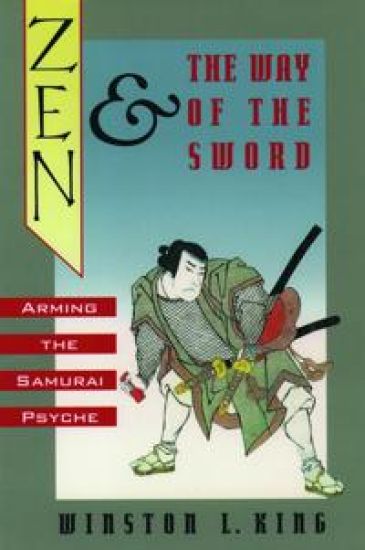
Zen--serene, contemplative, a discipline of meditation associated with painting, rock gardens, and flower arranging--seems an odd ingredient in the martial psyche of the Japanese samurai. "One who is a samurai must before all things keep constantly in mind...the fact that he has to die," wrote a seventeenth-century warrior. "That is his chief business." But the demands of that "business," writes Winston King, found the perfect philosophical match in the teachings of Zen Buddhism. In Zen and the Way of the Sword, King offers a fascinating look into the mind of the samurai swordsman in a far-reaching account of the role of Zen in the thought, culture, and the martial arts of Japan's soldier elite. An esteemed scholar of Eastern religions, King deftly traces the development of Zen and discusses the personal nature of its practice, its emphasis on individual discovery and attainment. He then presents an accomplished capsule history of the samurai class, from its rise in the middle ages to formal abolition in the nineteenth century--an account filled with details of wars, political maneuvering, and cultural achievements. King also looks at the arms and vocation of the individual samurai, placing the details of armor and weapons in the context of the samurai conception of warfare. In particular, King focuses on the sword--the soul of the samurai, as it was called--describing how it was forged, the honor given famous swordsmiths, the rise of schools of swordsmanship, and breathtaking feats of the great swordsmen. Throughout, King shows how the samurai cultivated Zen, relating its teaching of a free and spontaneous mind to the experience of a warrior in individual combat, and finding philosophical strength in Zen as they prepared themselves for death. "What mind can penetrate his opponent's mind?" one authority has written. "It is a mind that has been trained and cultivated to the point of detachment with perfect freedom....His mind should reflect his opponent's mind like water reflecting the moon." In other words, a mind trained by Zen. King goes on to trace the role of Zen in samurai life through the peaceful eighteenth and nineteenth centuries, examining the absorption of Zen into World War II psychology and broader Japanese culture. Throughout, he provides a thoughtful perspective, both sympathetic and aware of the ethical problems inherent in a school of Buddhism turned to the needs of a military class. A scholarly, absorbing account, Zen and the Way of the Sword provides fascinating insight into the samurai ethos, and the culture of Japan today.
Zen and the Way of the Sword

Zen and the Way of the Sword

Winston L. King

Oxford University Press Inc
1993
sidottu
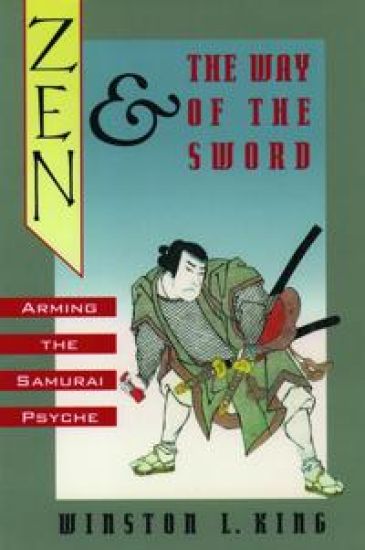
Zen and the Way of the Sword goes to the heart of the samurai ethos by examining the traditional cult of the sword and its relationship to the beliefs and practices of Zen Buddhism. The sword, King demonstrates, was seen as the soul of the samurai, and swordmanship was both a fine art and a spiritual discipline, the practice of which could lead to superhuman concentration of mental and physical energy and absolute indifference in the face of death. King here presents a detailed analysis of how Zen meditation techniques helped the samurai achieve iron discipline of mind, body and emotion and how the Zen doctrine of the "Great Death" of the self harmonized with the warrior's need to be ready for death at every moment. Surveying the origins and history of the warrior class and the ancient traditions of the sword and sword-making, King reveals how the surprising alliance between Zen and the Samurai came about, and how Zen rationalized its disregard of the ancient Buddhist tradition of non-violence. His conclusions raise important questions about the ethical status of Zen and its relation to society and shed new light on the values of Japanese culture.