

Kirjailija
Wolfgang Heidrich
Kirjat ja teokset yhdessä paikassa: 4 kirjaa, julkaisuja vuosilta 2002-2024, suosituimpien joukossa Gefangen in Flößberg. Vertaile teosten hintoja ja tarkista saatavuus suomalaisista kirjakaupoista.
4 kirjaa
Kirjojen julkaisuhaarukka 2002-2024.

This book covers real-time shading systems, their design and how they work. Procedural shading, long valued for off-line rendering and production animation is now possible on interactive graphics hardware. These developments are important for areas such as game development, product design, and scientific visualization, among others. The authors include examples of techniques for achieving common effects efficiently in a real-time shading language ranging from full procedural shading on advanced specialized hardware to limited, yet surprisingly flexible shading on unextended OpenGL, to modern PC graphics accelerators.
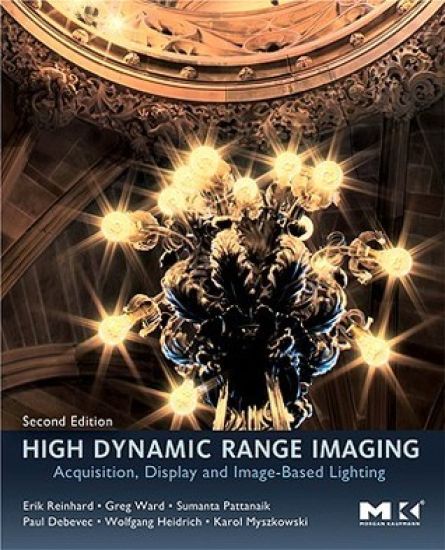
High Dynamic Range Imaging
Erik Reinhard; Wolfgang Heidrich; Paul Debevec; Sumanta Pattanaik; Greg Ward; Karol Myszkowski
Morgan Kaufmann Publishers In
2010
sidottu
High Dynamic Range Imaging, Second Edition, is an essential resource for anyone working with images, whether it is for computer graphics, film, video, photography, or lighting design. It describes HDRI technology in its entirety and covers a wide-range of topics, from capture devices to tone reproduction and image-based lighting. The techniques described enable students to produce images that have a dynamic range much closer to that found in the real world, leading to an unparalleled visual experience. This revised edition includes new chapters on High Dynamic Range Video Encoding, High Dynamic Range Image Encoding, and High Dynamic Range Display Devices. All existing chapters have been updated to reflect the current state-of-the-art technology. As both an introduction to the field and an authoritative technical reference, this book is essential for anyone working with images, whether in computer graphics, film, video, photography, or lighting design.

This book covers real-time shading systems, their design and how they work. Procedural shading, long valued for off-line rendering and production animation is now possible on interactive graphics hardware. These developments are important for areas such as game development, product design, and scientific visualization, among others. The authors include examples of techniques for achieving common effects efficiently in a real-time shading language ranging from full procedural shading on advanced specialized hardware to limited, yet surprisingly flexible shading on unextended OpenGL, to modern PC graphics accelerators.