Kirjojen hintavertailu. Mukana 12 390 323 kirjaa ja 12 kauppaa.

Kirjailija

Yael Avrahami

Kirjat ja teokset yhdessä paikassa: 4 kirjaa, julkaisuja vuosilta 2012-2015, suosituimpien joukossa Biblia Hebraica Stuttgartensia. Vertaile teosten hintoja ja tarkista saatavuus suomalaisista kirjakaupoista.

4 kirjaa

Kirjojen julkaisuhaarukka 2012-2015.

Biblia Hebraica Stuttgartensia

Biblia Hebraica Stuttgartensia

Donald R Vance; George Athas; Yael Avrahami

Hendrickson Publishers Inc
2015
sidottu
A helpful language reference tool for students, pastors, and scholars. The "BHS Reader's Edition" is for those who have a basic understanding of Biblical Hebrew and desire to read and study the Hebrew Bible. With this book alone (and a year of Hebrew), students are able to read the Hebrew Bible in its entirety. No other reference books on the market today have the same quality, grammatical information, or detail. Main features include: - Complete text of the Biblia Hebraica Stuttgartensia, checked against the Leningrad Codex - All words that occur fewer than 70 times are parsed and contextually defined in the apparatus - Glossary listing of all other words - Improved layout of poetic texts - All weak verb forms are parsed - High quality paper does not bleed through
Biblia Hebraica Stuttgartensia

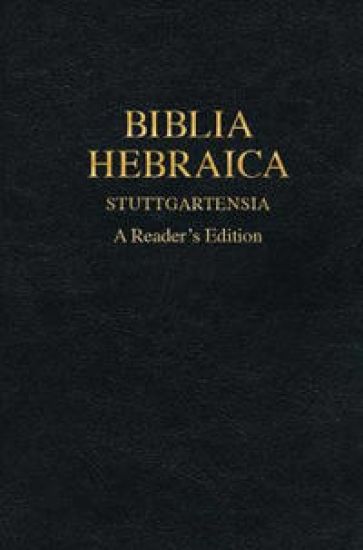
Biblia Hebraica Stuttgartensia

Donald R Vance; George Athas; Yael Avrahami

Hendrickson Publishers Inc
2015
erikoissidos
A helpful language reference tool for students, pastors, and scholars. The BHS Reader's Edition is for those who have a basic understanding of Biblical Hebrew and desire to read and study the Hebrew Bible. With this book alone (and a year of Hebrew), students are able to read the Hebrew Bible in its entirety.
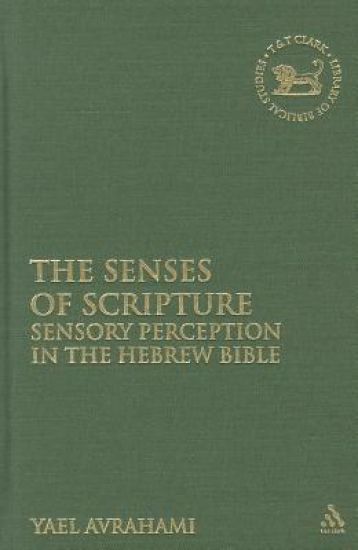
The Senses of Scripture

The Senses of Scripture

Yael Avrahami

T. T.Clark Ltd
2014
nidottu
The Senses of Scripture reveals the essence of biblical epistemology - the ways in which ancient Israelites thought about and used their sensorium. The theoretical introduction demonstrates that scholars need to liberate themselves from the Western bias that holds a pentasensory paradigm and prioritises the sense of sight. The discussion of the biblical material demonstrates that biblical scholars should follow a similar path. Through examination of associative and contextual patters the author reaches a septasensory model, including sight, hearing, speech, kinaesthesia, touch, taste, and smell. It is further demonstrated that the senses, according to the HB, are a divinely created physical experience, which symbolised human ability to act in a sovereign manner in the world. Despite the lack of a biblical Hebrew term 'sense', it seems that at times the merism sight and hearing serves that matter. Finally, the book discusses the longstanding dispute regarding the primacy of sight vs. hearing, and claims that although there is no strict sensory hierarchy evident in the text, sight holds a central space in biblical epistemology.
The Senses of Scripture

The Senses of Scripture

Yael Avrahami

T. T.Clark Ltd
2012
sidottu
The Senses of Scripture reveals the essence of biblical epistemology - the ways in which ancient Israelites thought about and used their sensorium. The theoretical introduction demonstrates that scholars need to liberate themselves from the Western bias that holds a pentasensory paradigm and prioritises the sense of sight. The discussion of the biblical material demonstrates that biblical scholars should follow a similar path. Through examination of associative and contextual patters the author reaches a septasensory model, including sight, hearing, speech, kinaesthesia, touch, taste, and smell. It is further demonstrated that the senses, according to the HB, are a divinely created physical experience, which symbolised human ability to act in a sovereign manner in the world. Despite the lack of a biblical Hebrew term 'sense, it seems that at times the merism sight and hearing serves that matter. Finally, the book discusses the longstanding dispute regarding the primacy of sight vs. hearing, and claims that although there is no strict sensory hierarchy evident in the text, sight holds a central space in biblical epistemology.