Kirjojen hintavertailu. Mukana 12 390 323 kirjaa ja 12 kauppaa.
Kirjailija
Yolanda Broyles-González
Kirjat ja teokset yhdessä paikassa: 5 kirjaa, julkaisuja vuosilta 1994-2022, suosituimpien joukossa Mario Barradas and Son Jarocho. Vertaile teosten hintoja ja tarkista saatavuus suomalaisista kirjakaupoista.
Mukana myös kirjoitusasut: Yolanda Broyles-Gonzalez
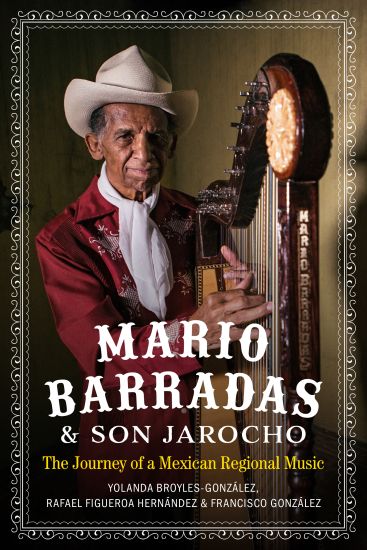
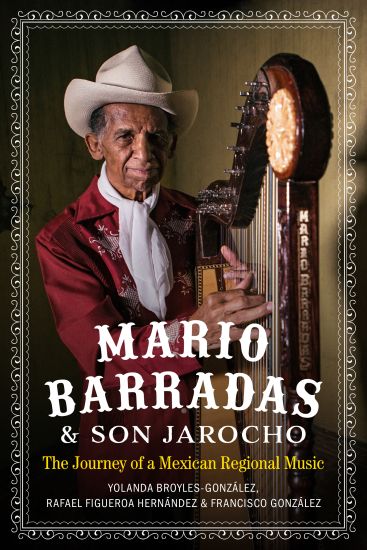
Son Jarocho was born as the regional sound of Veracruz but over time became a Mexican national genre, even transnational, genre-a touchstone of Chicano identity in the United States. Mario Barradas and Son Jarocho traces a musical journey from the Gulf Coast to interior Mexico and across the border, describing the transformations of Son Jarocho along the way.This comprehensive cultural study pairs ethnographic and musicological insights with an oral history of the late Mario Barradas, one of Son Jarocho’s preeminent modern musicians. Chicano musician Francisco GonzÁlez offers an insider’s account of Barradas’s influence and Son Jarocho’s musical qualities, while Rafael Figueroa HernÁndez delves into Barradas’s recordings and films. Yolanda Broyles-GonzÁlez examines the interplay between Son Jarocho’s indigenous roots and contemporary role in Mexican and US society. The result is a nuanced portrait of a vital and evolving musical tradition.
Son Jarocho was born as the regional sound of Veracruz but over time became a Mexican national genre, even transnational, genre-a touchstone of Chicano identity in the United States. Mario Barradas and Son Jarocho traces a musical journey from the Gulf Coast to interior Mexico and across the border, describing the transformations of Son Jarocho along the way.This comprehensive cultural study pairs ethnographic and musicological insights with an oral history of the late Mario Barradas, one of Son Jarocho’s preeminent modern musicians. Chicano musician Francisco GonzÁlez offers an insider’s account of Barradas’s influence and Son Jarocho’s musical qualities, while Rafael Figueroa HernÁndez delves into Barradas’s recordings and films. Yolanda Broyles-GonzÁlez examines the interplay between Son Jarocho’s indigenous roots and contemporary role in Mexican and US society. The result is a nuanced portrait of a vital and evolving musical tradition.
Pilulaw Khus has devoted her life to tribal, environmental, and human rights issues. With impressive candor and detail, she recounts those struggles here, offering a Native woman’s perspective on California history and the production of knowledge about indigenous peoples. Readers interested in tribal history will find in her story a spiritual counterpoint to prevailing academic views on the complicated reemergence of a Chumash identity. Readers interested in environmental studies will find vital eyewitness accounts of movements to safeguard important sites like Painted Rock and San Simeon Point from developers. Readers interested in indigenous storytelling will find Chumash origin tales and oral history as recounted by a gifted storyteller. The 1978 Point Conception Occupation was a turning point in Pilulaw Khus’s life. In that year excavation began for a new natural gas facility at Point Conception, near Santa Barbara, California. To the Chumash tribal people of the central California coast, this was desecration of sacred land. In the Chumash cosmology, it was the site of the Western Gate, a passageway for spirits to enter the next world. Frustrated by unfavorable court hearings, the Chumash and their allies mobilized a year-long occupation of the disputed site, eventually forcing the energy company to abandon its plan. The Point Conception Occupation was a landmark event in the cultural revitalization of the Chumash people and a turning point in the life of Pilulaw Khus, the Chumash activist and medicine woman whose firsthand narrations comprise this volume. Scholar Yolanda Broyles-González provides an extensive introductory analysis of Khus’s narrative. Her analysis explores “re-Indianization” and highlights the newly emergent Chumash research of the last decade. In the world of book publishing, this volume from a traditional Chumash woman elder is a first. It puts a 20th (and 21st) century face, name, identity, humanity, personality, and living voice on the term Chumash.
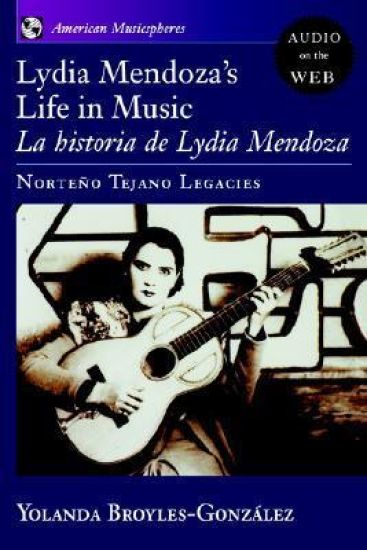
Lydia Mendoza began her legendary musical career as a child in the 1920s, singing for pennies and nickels on the streets of downtown San Antonio. She lived most of her adult life in Houston, Texas, where she was born. The life story of this Chicana icon encompasses a 60-year singing career that began with the dawn of the recording industry in the 1920s and continued well into the 1980s, ceasing only after she suffered a devastating stroke. Her status as a working-class idol continues to this day, making her one of the most prominent and long-standing performers in the history of the recording industry and a champion of Chicana/o music. This bilingual edition presents Lydia Mendoza's historia in an interview between the artist and Yolanda Broyles-González: first is the English translation, then the Spanish original, as told by Mendoza herself. Broyles-González concludes the volume with an extended essay on the significance of Mendoza's career and her place in Tejana music and Chicana studies.
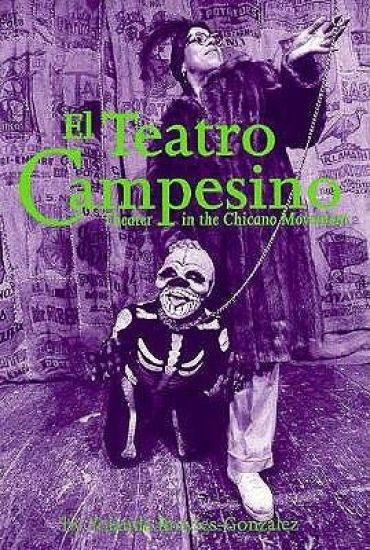
Born in 1965 as an organizing tool within César Chávez's United Farm Workers union, El Teatro Campesino became the premier Chicana/o performance ensemble to emerge out of the Chicano movement of the 1960s and 1970s. This study demythologizes and reinterprets the company's history from its origins in California's farm labor struggles to its successes in Europe and on Broadway until the disbanding of the original collective ensemble in 1980 with the subsequent adoption of mainstream production techniques.Yolanda Broyles-González corrects many misconceptions concerning the Teatro's creation and evolution. She draws from a rich storehouse of previously untapped material, such as interviews with numerous ensemble members, production notes, and unpublished diaries, to highlight the reality of the collective creation that characterized the Teatro's work.Writing within contemporary cultural studies theory, Broyles-González sheds light on class, gender, race, and cultural issues. Her work situates the Teatro within working-class Mexican performance history, the Chicano movement, gender relations, and recent attempts to mainstream.