Kirjojen hintavertailu. Mukana 12 595 353 kirjaa ja 12 kauppaa.

Kirjailija

Yuval Etgar

Kirjat ja teokset yhdessä paikassa: 5 kirjaa, julkaisuja vuosilta 2015-2026, suosituimpien joukossa Simon Moretti: Abacus. Vertaile teosten hintoja ja tarkista saatavuus suomalaisista kirjakaupoista.

5 kirjaa

Kirjojen julkaisuhaarukka 2015-2026.

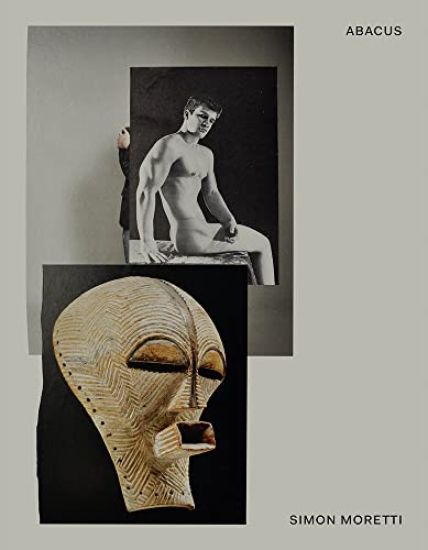
Simon Moretti: Abacus

Simon Moretti: Abacus

Craig Burnett; Yuval Etgar; Deborah Levy; Chloe Aridjis; Andrew Durbin

RIDINGHOUSE
2022
nidottu
Simon Moretti is known for his enigmatic exhibition works, presenting displays that engage with questions of agency, temporality, automatism, desire and masculinity. Incorporating appropriated images and archives as well as curatorial and publishing projects, often made in collaboration with other artists, his work addresses the role of ‘curating as practice’. Presented as a non-chronological visual essay, this publication surveys 10 years of collage works by Moretti. It includes text contributions from writer Craig Burnett, curator and art historian Yuval Etgar, novelists Deborah Levy and Chloe Aridjis, and a conversation with Andrew Durbin, editor-in-chief of frieze magazine.
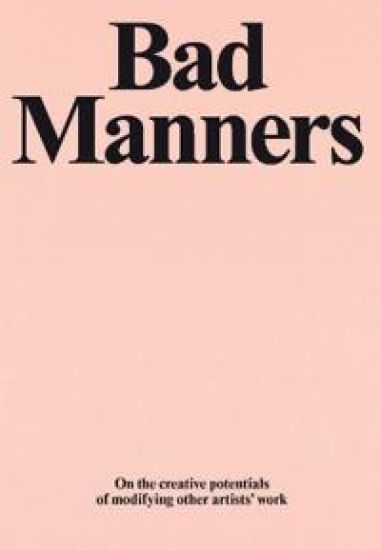
Bad Manners

Bad Manners

Jake Chapman; Yuval Etgar

RIDINGHOUSE
2022
nidottu
Bad Manners is an original history of non-consensual collaboration between artists, from the mid-nineteenth century to the present day. Narrated by artist Jake Chapman and art historian Yuval Etgar, this book takes the reader through a wealth of artworks and anecdotes involving cannibalistic acts of modification or alteration of another artist’s work, the hijacking of authorship through the addition of a signature, and occasions when the identities of artists or their creations are cast in doubt. Among the works in discussion are a drawing by Pablo Picasso signed as Henri Matisse, a coffee table executed by Martin Kippenberger using a painting by Gerhard Richter as its surface, and a performance by David Hammons documenting the artist urinating on a Richard Serra sculpture. Published to accompany an exhibition of the same name at Luxembourg + Co., London, Bad Manners raises questions concerning the nature of artistic authorship, standards of collegial etiquette, plagiarism and ownership.
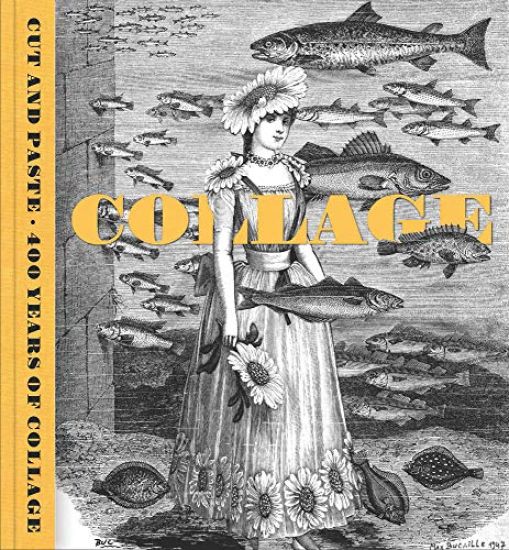
Cut and Paste

Cut and Paste

Patrick Elliott; Freya Gowrley; Yuval Etgar

National Galleries of Scotland
2022
nidottu
Collage is one of the most popular and pervasive of all art-forms, yet this is the first historical survey book ever published on the subject. Featuring over 200 works, ranging from the 1500s to the present day, it offers an entirely new approach. Hitherto, collage has been presented as a twentieth-century phenomenon, linked in particular to Pablo Picasso and Cubism in the years just before the First World War. In Cut and Paste: 400 Years of Collage, we trace its origins back to books and prints of the 1500s, through to the boom in popularity of scrapbooks and do-it-yourself collage during the Victorian period, and then through Cubism, Futurism, Dada and Surrealism. Collage became the technique of choice in the 1960s and 1970s for anti-establishment protest, and in the present day is used by millions of us through digital devices. The definition of collage employed here is a broad one, encompassing cut-and-pasted paper, photography, patchwork, film and digital technology and ranging from work by professionals to unknown makers, amateurs and children. Published to accompany an exhibition at the National Gallery of Scotland, June-October 2019.
Reconstructing Cezanne

Reconstructing Cezanne

Fabienne Ruppen; Walter Feilschenfeldt; Yuval Etgar

Ridinghouse
2015
sidottu
Published in association with Luxembourg + Co. on the occasion of their 2019 exhibition Reconstructing Cezanne, this catalogue features in-depth analyses of Cezanne’s works on paper by Fabienne Ruppen, based on DNA examination of the papers he used for his watercolours and drawings, as well as extensive commentary on new horizons in Cezanne scholarship by expert Walter Feilchenfeldt, co-author of the artist’s online catalogue raisonné. At the core of this exploration are two watercolours that Cezanne produced from a large sheet of paper, which he divided into two sections for the purpose of capturing different landscapes: the Courtauld Gallery’s renowned La Montagne Sainte-Victoire, from 1885–87, and a Paysage Provençal in private ownership. Reconstructing Cezanne reunites these two works for the first time. This publication follows the decision of the Société Paul Cezanne and the family of the artist to spell the artist’s name without an acute accent.