Kirjojen hintavertailu. Mukana 12 595 353 kirjaa ja 12 kauppaa.

Kirjailija

Yvonne Kogan

Kirjat ja teokset yhdessä paikassa: 3 kirjaa, julkaisuja vuosilta 2014-2017, suosituimpien joukossa Engaging Children's Minds. Vertaile teosten hintoja ja tarkista saatavuus suomalaisista kirjakaupoista.

3 kirjaa

Kirjojen julkaisuhaarukka 2014-2017.

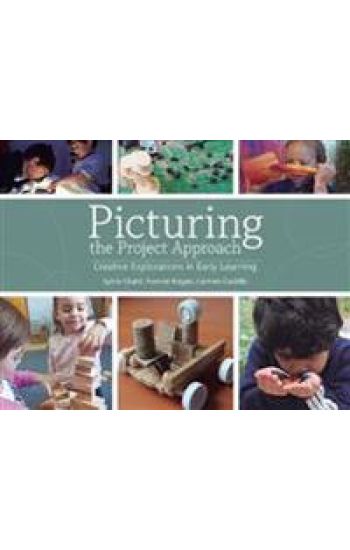
Picturing the Project Approach

Picturing the Project Approach

Sylvia Chard; Yvonne Kogan; Carmen A Castillo

Gryphon House,U.S.
2017
pokkari
When teachers implement the project approach to learning, young children can follow their own real-world interests to gain deeper understanding. Children wonder about a topic, formulate their questions, and then figure out the answers for themselves in their own way.The project approach helps children dig deeply into intellectual and social experiences that can help them see meaningful benefits of the skills they are acquiring. Picturing the Project Approach will lead teachers every step of the way toward incorporating this teaching method in any toddler, preschool or elementary classroom. Teachers will learn how to: Identify a topicDecide on a projectDevelop the projectShare the learningBring the project to a close
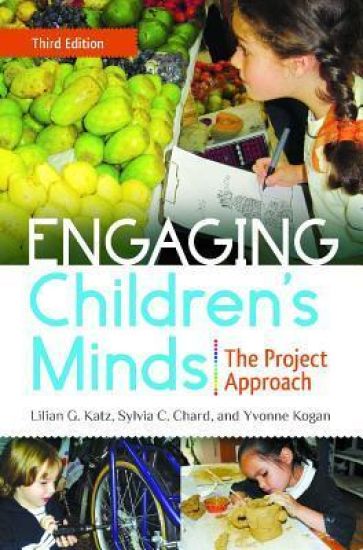
Engaging Children's Minds

Engaging Children's Minds

Lilian G. Katz; Sylvia C. Chard; Yvonne Kogan

Praeger Publishers Inc
2014
sidottu
Now in its third edition, this book shows teachers how to incorporate the Project Approach into early childhood and elementary curricula, engaging children intellectually and heightening their capacities for thinking, hypothesizing, reasoning, and expressing their natural curiosity.Why has the Project Approach proven to be so successful for engaging young children intellectually and supporting their capacities to think, predict, hypothesize, reason, and express their natural curiosity? Simply put, because project work provides meaningful contexts in which children can readily apply and perceive the usefulness of their growing academic skills. This book provides a brief history and overview of the Project Approach and a thorough explanation of how to better use this method proficiently in a wide range of educational contexts.This book is intended for teachers, early childhood practitioners, caregivers, and student teachers. Readers will learn how to apply this approach to engage children's interest and facilitate their intellectual development. The book's chapters articulate the processes and benefits of the Project Approach, identify and detail the three phases of project work, and provide specific suggestions for implementing each phase. The importance of documenting children's work to record the story of their investigation and findings is also discussed.
Engaging Children's Minds

Engaging Children's Minds

Lilian G. Katz; Sylvia C. Chard; Yvonne Kogan

Praeger Publishers Inc
2014
nidottu
Now in its third edition, this book shows teachers how to incorporate the Project Approach into early childhood and elementary curricula, engaging children intellectually and heightening their capacities for thinking, hypothesizing, reasoning, and expressing their natural curiosity.Why has the Project Approach proven to be so successful for engaging young children intellectually and supporting their capacities to think, predict, hypothesize, reason, and express their natural curiosity? Simply put, because project work provides meaningful contexts in which children can readily apply and perceive the usefulness of their growing academic skills. This book provides a brief history and overview of the Project Approach and a thorough explanation of how to better use this method proficiently in a wide range of educational contexts.This book is intended for teachers, early childhood practitioners, caregivers, and student teachers. Readers will learn how to apply this approach to engage children's interest and facilitate their intellectual development. The book's chapters articulate the processes and benefits of the Project Approach, identify and detail the three phases of project work, and provide specific suggestions for implementing each phase. The importance of documenting children's work to record the story of their investigation and findings is also discussed.