Kirjojen hintavertailu. Mukana 12 592 935 kirjaa ja 12 kauppaa.

Kirjailija

Zena Hitz

Kirjat ja teokset yhdessä paikassa: 4 kirjaa, julkaisuja vuosilta 2020-2023, suosituimpien joukossa Plough Quarterly No. 37 – The Enemy. Vertaile teosten hintoja ja tarkista saatavuus suomalaisista kirjakaupoista.

4 kirjaa

Kirjojen julkaisuhaarukka 2020-2023.

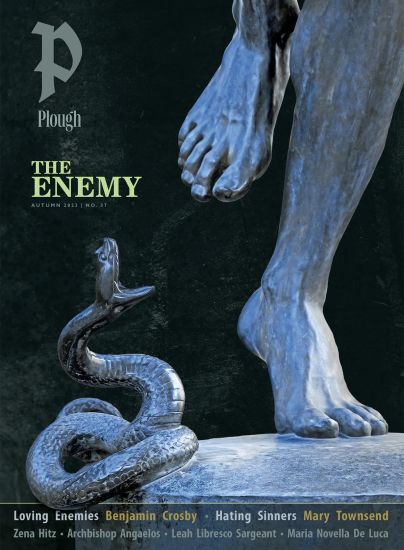
Plough Quarterly No. 37 – The Enemy

Plough Quarterly No. 37 – The Enemy

Benjamin Crosby; Archbishop Angaelos; Zena Hitz; Leah Libresco Sargeant; Nathan Beacom; Susannah Black Roberts; Mary Townsend; Sarah Clarkson; Antoine E. Davis; Aaron Edward Olson; Maria Novella De Luca; Rachel Cañon Naffziger; Stephen Edgar; Oddny Gumaer; Kathleen A. Mulhern

PLOUGH PUBLISHING HOUSE
2023
nidottu
What should we do with enemies?Jesus challenges us to love our enemies. In today’s swirl of hatemongering, political polarization, and online nastiness, even Christians have skirted this command or given it up as impossible or foolish. What does it really mean to love our enemies? And how might our lives and our world change if we did? In this issue we apply these tough questions to real situations, and hear from people who have put this command into practice in some of the toughest circumstances.On this theme: - Can we afford to love our enemies in a cancel culture?- What sort of enemies did Jesus expect us to love? - The problem with "love the sinner, hate the sin"- Channeling outrage while working with children displaced by war- What Coptic Christians know about praying for their persecutors- Two incarcerated friends defy a racist prison culture.- What about mental illness, when your mind becomes your enemy? - Students find ways to debate tough issues constructively.- A Russian Christian speaks out against the war in Ukraine.Also in the issue:- Maria Novella De Luca photographs Algerian women demining the Sahara.- Dana Wiser remembers civil rights activist Staughton Lynd.- Zena Hitz asks what we’d do with our time if we weren’t so busy.- Kathleen A. Mulhern gives advice for keeping the faith afterhours.- Susannah Black Roberts celebrates the life and example of Tim Keller.- Nathan Beacom call for reestablishing Lyceums in working-class towns.- Maureen swinger recounts the exploits of Monsignor Hugh O’Flaherty.Plough Quarterly features stories, ideas, and culture for people eager to apply their faith to the challenges we face. Each issue includes in-depth articles, interviews, poetry, book reviews, and art.
A Philosopher Looks at the Religious Life

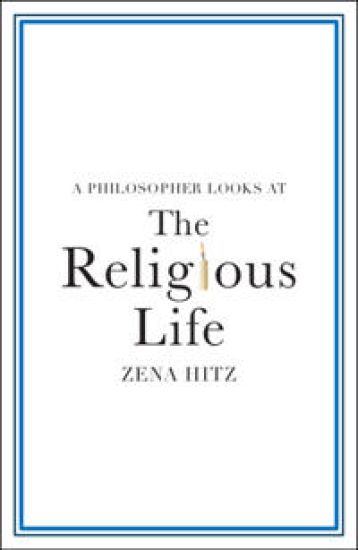
A Philosopher Looks at the Religious Life

Zena Hitz

Cambridge University Press
2023
pokkari
What is happiness? Does life have a meaning? If so, is that meaning available in an ordinary life? The philosopher Zena Hitz confronted these questions head-on when she spent several years living in a Christian religious community. Religious life -- the communal life chosen by monks, nuns, friars, and hermits -- has been a part of global Christianity since earliest times, but many of us struggle to understand what could drive a person to renounce wealth, sex, children, and ambition to live a life of prayer and sacrifice. Hitz's lively and accessible book explores questions about faith, sacrifice, asceticism and happiness through philosophy, stories, and examples from religious life. Drawing on personal experience as well as film, literature, history, biography, and theology, it demystifies an important element of contemporary culture, and provides a picture of human flourishing and happiness which challenges and enriches modern-day life.
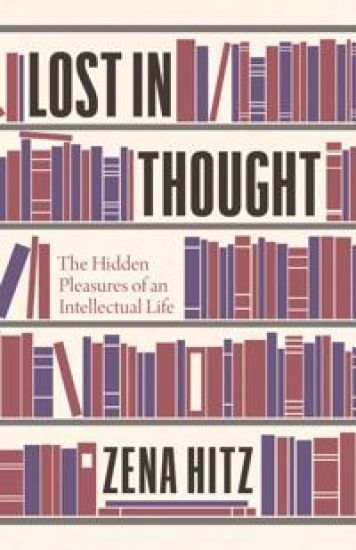
Lost in Thought

Lost in Thought

Zena Hitz

Princeton University Press
2021
pokkari
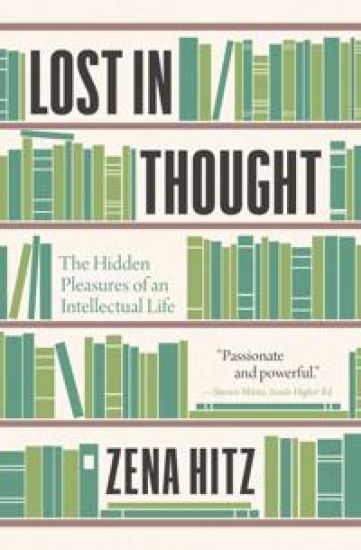
An invitation to readers from every walk of life to rediscover the impractical splendors of a life of learningIn an overloaded, superficial, technological world, in which almost everything and everybody is judged by its usefulness, where can we turn for escape, lasting pleasure, contemplation, or connection to others? While many forms of leisure meet these needs, Zena Hitz writes, few experiences are so fulfilling as the inner life, whether that of a bookworm, an amateur astronomer, a birdwatcher, or someone who takes a deep interest in one of countless other subjects. Drawing on inspiring examples, from Socrates and Augustine to Malcolm X and Elena Ferrante, and from films to Hitz's own experiences as someone who walked away from elite university life in search of greater fulfillment, Lost in Thought is a passionate and timely reminder that a rich life is a life rich in thought.Today, when even the humanities are often defended only for their economic or political usefulness, Hitz says our intellectual lives are valuable not despite but because of their practical uselessness. And while anyone can have an intellectual life, she encourages academics in particular to get back in touch with the desire to learn for its own sake, and calls on universities to return to the person-to-person transmission of the habits of mind and heart that bring out the best in us.Reminding us of who we once were and who we might become, Lost in Thought is a moving account of why renewing our inner lives is fundamental to preserving our humanity.
Lost in Thought

Lost in Thought

Zena Hitz

PRINCETON UNIVERSITY PRESS
2020
sidottu
An invitation to readers from every walk of life to rediscover the impractical splendors of a life of learningIn an overloaded, superficial, technological world, in which almost everything and everybody is judged by its usefulness, where can we turn for escape, lasting pleasure, contemplation, or connection to others? While many forms of leisure meet these needs, Zena Hitz writes, few experiences are so fulfilling as the inner life, whether that of a bookworm, an amateur astronomer, a birdwatcher, or someone who takes a deep interest in one of countless other subjects. Drawing on inspiring examples, from Socrates and Augustine to Malcolm X and Elena Ferrante, and from films to Hitz's own experiences as someone who walked away from elite university life in search of greater fulfillment, Lost in Thought is a passionate and timely reminder that a rich life is a life rich in thought.Today, when even the humanities are often defended only for their economic or political usefulness, Hitz says our intellectual lives are valuable not despite but because of their practical uselessness. And while anyone can have an intellectual life, she encourages academics in particular to get back in touch with the desire to learn for its own sake, and calls on universities to return to the person-to-person transmission of the habits of mind and heart that bring out the best in us.Reminding us of who we once were and who we might become, Lost in Thought is a moving account of why renewing our inner lives is fundamental to preserving our humanity.