Kirjojen hintavertailu. Mukana 12 595 353 kirjaa ja 12 kauppaa.
Kirjailija
Zongjin Li
Kirjat ja teokset yhdessä paikassa: 6 kirjaa, julkaisuja vuosilta 2008-2023, suosituimpien joukossa Structural Renovation in Concrete. Vertaile teosten hintoja ja tarkista saatavuus suomalaisista kirjakaupoista.
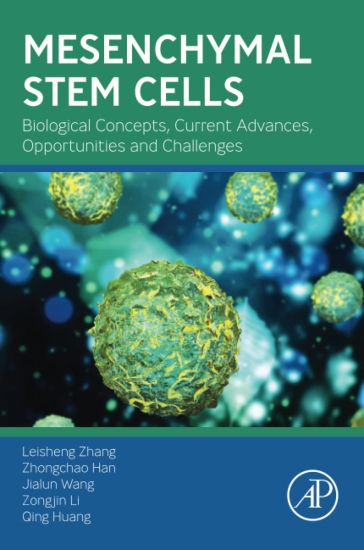
Mesenchymal Stem Cells: Biological Concepts, Current Advances, Opportunities and Challenges systematically summarizes and discusses the basic concepts and latest updates of mesenchymal stem cells (MSCs) in the past 60 years, as well as the latest progress of clinical translational research and regulatory policy at home and abroad, which will be of great practical significance for promoting and guiding the future development of stem cell production and regenerative medicine.
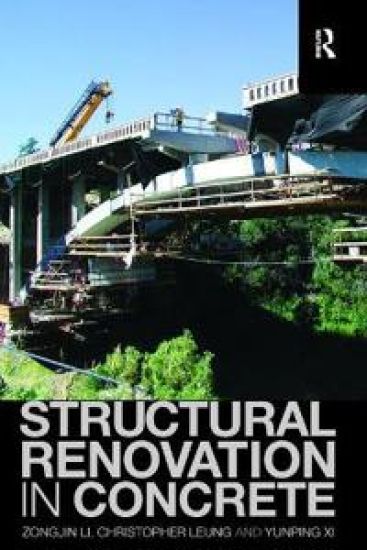
The mechanisms by which buildings and infrastructures degrade are complex, as are the procedures and methods for inspection and for rehabilitation.This book examines the various problems caused by non-uniform deformation changes, poor durability, and natural and human disasters such as earthquakes and fire. Attention is given to the causes and mechanisms of the deterioration. General procedures and commonly used techniques for inspection and evaluation of existing infrastructures are introduced. The desk study, destructive test, and non-destructive test are discussed – in particular the newly developed non-destructive methods for deterioration monitoring. The book then moves on to conventional renovation techniques such as patch and steel plate strengthening, which meet the requirements of normal practice. Special attention is paid to compatibility between repair materials and degraded materials. Fibrous composite materials are then introduced as a basis for innovative repair techniques, and different fibre and matrix properties are outlined, as are newly developed inorganic binders as a matrix for fibrous composites. Finally, advanced rehabilitation techniques using fibrous composite are described. Fundamental issues such as bonding and failure mechanisms are then discussed in detail. Fibrous composite strengthening techniques for beam, wall, column and slabs are covered, including shear strengthening, flexural strengthening, and fillet winding, as are codes of practice for retrofitting with fibrous composites.This caters to students and academics world-wide and serves as a "tool book" for concrete and structural engineering professionals.
The mechanisms by which buildings and infrastructures degrade are complex, as are the procedures and methods for inspection and for rehabilitation.This book examines the various problems caused by non-uniform deformation changes, poor durability, and natural and human disasters such as earthquakes and fire. Attention is given to the causes and mechanisms of the deterioration. General procedures and commonly used techniques for inspection and evaluation of existing infrastructures are introduced. The desk study, destructive test, and non-destructive test are discussed – in particular the newly developed non-destructive methods for deterioration monitoring. The book then moves on to conventional renovation techniques such as patch and steel plate strengthening, which meet the requirements of normal practice. Special attention is paid to compatibility between repair materials and degraded materials. Fibrous composite materials are then introduced as a basis for innovative repair techniques, and different fibre and matrix properties are outlined, as are newly developed inorganic binders as a matrix for fibrous composites. Finally, advanced rehabilitation techniques using fibrous composite are described. Fundamental issues such as bonding and failure mechanisms are then discussed in detail. Fibrous composite strengthening techniques for beam, wall, column and slabs are covered, including shear strengthening, flexural strengthening, and fillet winding, as are codes of practice for retrofitting with fibrous composites.This caters to students and academics world-wide and serves as a "tool book" for concrete and structural engineering professionals.
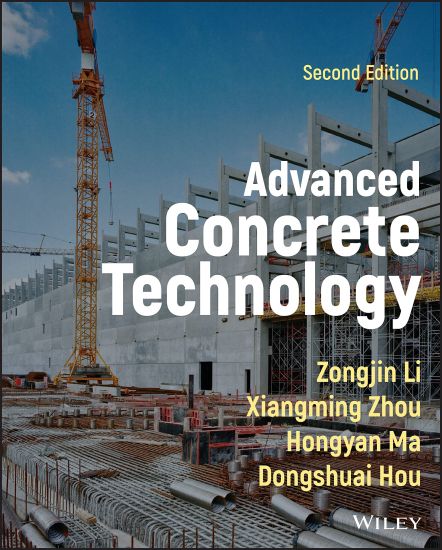
Advanced Concrete Technology A thorough grounding in the science of concrete combined with the latest developments in the rapidly evolving field of concrete technology In the newly revised second edition of Advanced Concrete Technology, a distinguished team of academics and engineers delivers a state-of-the-art exploration of modern and advanced concrete technologies developed during the last decade. The book combines the essential concepts and theory of concrete with practical examples of material design, composition, processing, characterization, properties, and performance. The authors explain, in detail, the hardware and software of concrete, and offer readers discussions of the most recent advances in concrete technology, including, but not limited to, concrete recycling, nanotechnology, microstructural simulation, additive manufacturing, and non-destructive testing methods. This newest edition of Advanced Concrete Technology provides a sustained emphasis on sustainable and novel technologies, like new binders, 3D printing, and other advanced materials and techniques. Readers will also find: A thorough introduction to concrete, including its definition and its historical evolution as a material used in engineering and constructionIn-depth explorations of the materials for making concrete and the properties of fresh concreteComprehensive discussions of the material structure of concrete, hardened concrete, and advanced cementitious compositesFulsome treatments of concrete fracture mechanics, non-destructive testing in concrete engineering, and future trends in concrete Perfect for undergraduate and graduate students studying civil or materials engineering—especially those taking classes in the properties of concrete or concrete technologies—as well as engineers in the concrete industry. Advanced Concrete Technology, 2nd Edition will also earn a place in the libraries of civil and materials engineers working in the industry.