Kirjojen hintavertailu. Mukana 11 244 527 kirjaa ja 12 kauppaa.

Kirjahaku

Etsi kirjoja tekijän nimen, kirjan nimen tai ISBN:n perusteella.

7 kirjaa tekijältä Jason Potts

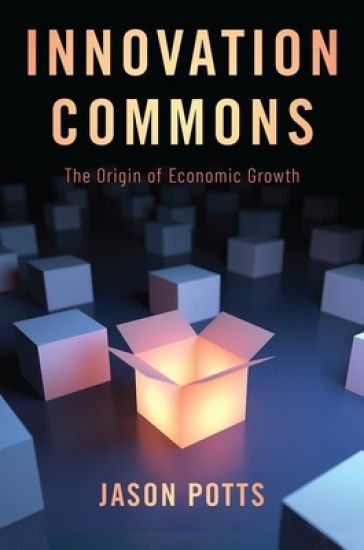
Innovation Commons

Innovation Commons

Jason Potts

Oxford University Press Inc
2019
sidottu
Innovation is among the most important topics in understanding economic sustained economic growth. Jason Potts argues that the initial stages of innovation require cooperation under uncertainty and draws from insights on the solving of commons problems to shed light on policies and conditions conducive to the creation of new firms and industries. The problems of innovation commons are overcome, Potts shows, when there are governance institutions that incentivize cooperation, thereby facilitating the pooling of distributed information, knowledge, and other inputs. The entrepreneurial discovery of an economic opportunity is thus an emergent institution resulting from the formation of a cooperative group, under conditions of extreme uncertainty, working toward the mutual purpose of opportunity discovery about a nascent technology or new idea. Among the problems commons address are those of the identity; cooperation; consent; monitoring; punishment; and independence. A commons is efficient compared to the creation of alternative economic institutions that involve extensive contracting and networks, private property rights and price signals, or public goods (i.e. firms, markets, and governments). In other words, the origin of innovation is not entrepreneurial action per se, but the creation of a common pool resource from which entrepreneurs can discover opportunities. Potts' framework draws on the evolutionary theory of cooperation and institutional theory of the commons. It also has important implications for understanding the origin of firms and industries, and for the design of innovation policy. Beginning with a discussion of problems of knowledge and coordination as well as their implications for common pool environments, the book then explores instances of innovation commons and the lifecycle of innovation, including increased institutionalization and rigidness. Potts also discusses the possible implications of the commons framework for policies to sustain innovation dynamics.
Innovation Commons

Innovation Commons

Jason Potts

Oxford University Press Inc
2019
nidottu
Innovation is among the most important topics in understanding economic sustained economic growth. Jason Potts argues that the initial stages of innovation require cooperation under uncertainty and draws from insights on the solving of commons problems to shed light on policies and conditions conducive to the creation of new firms and industries. The problems of innovation commons are overcome, Potts shows, when there are governance institutions that incentivize cooperation, thereby facilitating the pooling of distributed information, knowledge, and other inputs. The entrepreneurial discovery of an economic opportunity is thus an emergent institution resulting from the formation of a cooperative group, under conditions of extreme uncertainty, working toward the mutual purpose of opportunity discovery about a nascent technology or new idea. Among the problems commons address are those of the identity; cooperation; consent; monitoring; punishment; and independence. A commons is efficient compared to the creation of alternative economic institutions that involve extensive contracting and networks, private property rights and price signals, or public goods (i.e. firms, markets, and governments). In other words, the origin of innovation is not entrepreneurial action per se, but the creation of a common pool resource from which entrepreneurs can discover opportunities. Potts' framework draws on the evolutionary theory of cooperation and institutional theory of the commons. It also has important implications for understanding the origin of firms and industries, and for the design of innovation policy. Beginning with a discussion of problems of knowledge and coordination as well as their implications for common pool environments, the book then explores instances of innovation commons and the lifecycle of innovation, including increased institutionalization and rigidness. Potts also discusses the possible implications of the commons framework for policies to sustain innovation dynamics.
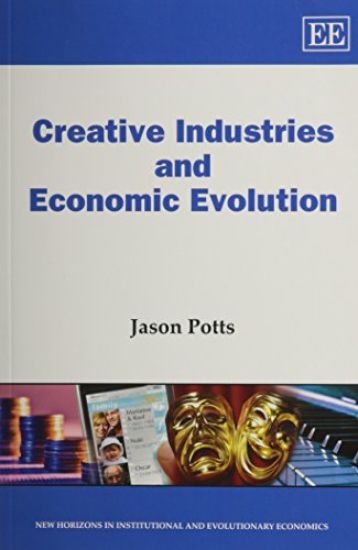
Creative Industries and Economic Evolution

Creative Industries and Economic Evolution

Jason Potts

Edward Elgar Publishing Ltd
2012
nidottu
This insightful book offers a new way of looking at the arts, culture and the creative industries from the perspective of evolutionary economics.The creative industries are key drivers of modern economies. While economic analysis has traditionally advanced a market-failure model of arts and culture, this book argues for an evolutionary market dynamics or innovation-based approach. Jason Potts explores theoretical and conceptual aspects of an evolutionary economic approach to the study of the creative economy. Topics include creative businesses and labor markets, social networks, innovation processes and systems, institutions, and the role of creative industries in market dynamics and economic growth.Written by a leading academic expert in the field, this highly regarded compendium will prove essential for researchers and students of creative industries, cultural economics and evolutionary economics.Contents: 1. Introduction; 2. Cultural Economics vs Economics of Creative Industries; 3. Young, Creative and Extremely Rich; 4. Evolutionary Economics of Creativity; 5. Creativity under Competition and the Problem of Overshooting; 6. Creative Labour Markets and Signalling; 7. Identity Dynamics and Economic Evolution; 8. Social Network Markets; 9. Creative Industries Over an Innovation Trajectory; 10. Fashion and Economic Evolution; 11. Capitalism, Socialism and Culture; 12. Four Models of the Creative Industries; 13. Creative Clusters; 14. Novelty Bundling Markets; 15. Creative Industries and Economic Development; 16. Conclusion; References
Manly

Manly

Jason Potts

Lulu.com
2021
pokkari
The art of being Manly is a stunning collection of art works depicting everyday men at work, at the gym, in their homes and more. A candid and at times sexy look. at what it is to be manly. The perfect coffee table book. Enjoy page after page, or tradie, blokes, and men.
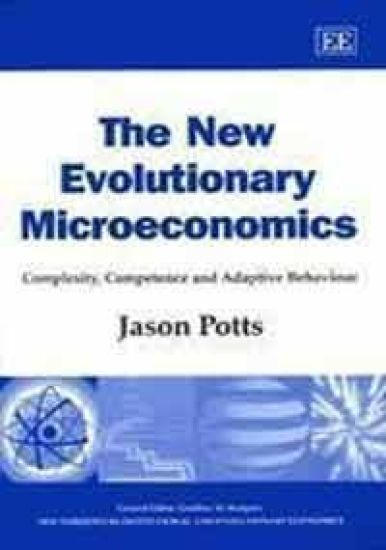
The New Evolutionary Microeconomics

The New Evolutionary Microeconomics

Jason Potts

Edward Elgar Publishing Ltd
2000
sidottu
This highly innovative and original book proposes evolutionary microeconomics as a synthesis of the collective schools of heterodox economic thought with complex systems theory and graph theory. The book charts a research programme for evolutionary economics that encompasses the theory of dynamic efficiency and emergence in markets, a computational model of the learning and interacting agent, a competence based theory of the firm and the household, and, via a theory of expectations and plans, an agent-based foundation to macroeconomics.Principally a work of meta-theory, The New Evolutionary Microeconomics argues for a radical refocus of microeconomic research toward the evolutionary nature of institutions, preferences, technology and knowledge.This challenging new book should prove timely and important for evolutionary and computational economists as well as those in the fields of managerial economics, business studies and marketing.
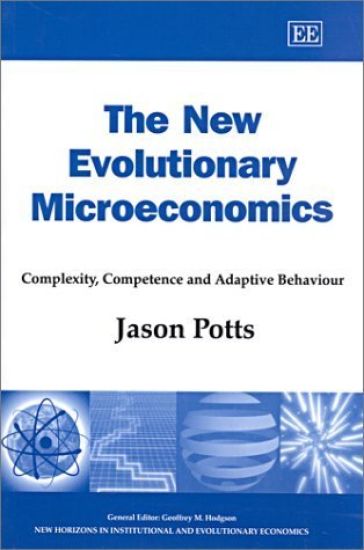
The New Evolutionary Microeconomics

The New Evolutionary Microeconomics

Jason Potts

Edward Elgar Publishing Ltd
2001
nidottu
This highly innovative and original book proposes evolutionary microeconomics as a synthesis of the collective schools of heterodox economic thought with complex systems theory and graph theory. The book charts a research programme for evolutionary economics that encompasses the theory of dynamic efficiency and emergence in markets, a computational model of the learning and interacting agent, a competence based theory of the firm and the household, and, via a theory of expectations and plans, an agent-based foundation to macroeconomics.Principally a work of meta-theory, The New Evolutionary Microeconomics argues for a radical refocus of microeconomic research toward the evolutionary nature of institutions, preferences, technology and knowledge.This challenging new book should prove timely and important for evolutionary and computational economists as well as those in the fields of managerial economics, business studies and marketing.
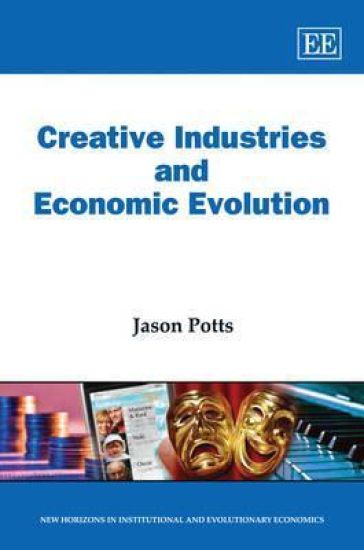
Creative Industries and Economic Evolution

Creative Industries and Economic Evolution

Jason Potts

Edward Elgar Publishing Ltd
2011
sidottu
This insightful book offers a new way of looking at the arts, culture and the creative industries from the perspective of evolutionary economics.The creative industries are key drivers of modern economies. While economic analysis has traditionally advanced a market-failure model of arts and culture, this book argues for an evolutionary market dynamics or innovation-based approach. Jason Potts explores theoretical and conceptual aspects of an evolutionary economic approach to the study of the creative economy. Topics include creative businesses and labor markets, social networks, innovation processes and systems, institutions, and the role of creative industries in market dynamics and economic growth.Written by a leading academic expert in the field, this highly regarded compendium will prove essential for researchers and students of creative industries, cultural economics and evolutionary economics.Contents: 1. Introduction; 2. Cultural Economics vs Economics of Creative Industries; 3. Young, Creative and Extremely Rich; 4. Evolutionary Economics of Creativity; 5. Creativity under Competition and the Problem of Overshooting; 6. Creative Labour Markets and Signalling; 7. Identity Dynamics and Economic Evolution; 8. Social Network Markets; 9. Creative Industries Over an Innovation Trajectory; 10. Fashion and Economic Evolution; 11. Capitalism, Socialism and Culture; 12. Four Models of the Creative Industries; 13. Creative Clusters; 14. Novelty Bundling Markets; 15. Creative Industries and Economic Development; 16. Conclusion; References