Kirjojen hintavertailu. Mukana 12 003 814 kirjaa ja 12 kauppaa.

Kirjahaku

Etsi kirjoja tekijän nimen, kirjan nimen tai ISBN:n perusteella.

134 kirjaa tekijältä Rafeal Mechlore

The Financial Legacy

The Financial Legacy

Rafeal Mechlore

WSM Publisher
2023
pokkari
"The Financial Legacy: Honoring Dad's Prosperity" is a poignant and insightful book that delves into the profound impact of a father's financial wisdom and guidance on the lives of his loved ones. Written with heartfelt emotion and practical expertise, this book explores the enduring lessons, values, and strategies that a father imparts to his family, creating a lasting financial legacy that transcends generations.Through a combination of personal anecdotes, expert interviews, and practical advice, "The Financial Legacy" navigates the intricate journey of passing down financial knowledge and values from one generation to the next. Readers are invited to embark on a reflective and educational journey that underscores the importance of responsible financial management, long-term planning, and the development of a resilient financial mindset.The book celebrates the unique bond between fathers and their families, highlighting the ways in which a father's dedication to providing for and protecting his loved ones can shape their financial well-being for years to come. From lessons in budgeting and investing to discussions about preparing for life's unexpected challenges, "The Financial Legacy" offers a comprehensive guide to building a solid financial foundation.Interwoven with heartfelt stories of personal growth, setbacks, and triumphs, the book paints a vivid portrait of the ways in which a father's influence can foster financial literacy, confidence, and a sense of security in his children. It emphasizes the role of open communication, mutual understanding, and collaboration in ensuring that his financial legacy remains strong and relevant across changing times.Whether readers are seeking practical financial advice, inspiration for nurturing familial relationships, or a deeper understanding of the profound impact of a father's teachings, "The Financial Legacy: Honoring Dad's Prosperity" is a compelling read that resonates with individuals of all backgrounds. It serves as a testament to the enduring power of love, wisdom, and the timeless principles that guide families toward financial success and harmony.

Bytes and Crimes: Navigating Online Threats
In the digital age, where our lives are increasingly intertwined with technology, the realm of cyberspace has become a breeding ground for both innovation and criminal activity. "Bytes and Crimes: Navigating Online Threats" is a timely exploration of the complex and evolving landscape of cybersecurity, offering insights into the threats that lurk in the virtual world and strategies to safeguard against them.The Digital Frontier: Our reliance on the internet and technology has ushered in unprecedented convenience and connectivity. However, this interconnectedness has also given rise to a new breed of criminals who exploit vulnerabilities in the digital ecosystem for personal gain. From identity theft and financial fraud to cyberbullying and hacking, the spectrum of online threats is vast and multifaceted.Understanding Cyber Threats: To effectively navigate the digital realm, it is essential to comprehend the nature of cyber threats. "Bytes and Crimes" delves into various forms of cybercrime, such as phishing attacks, ransomware, and data breaches. It sheds light on the motivations behind these crimes, which can range from financial gain to political agendas, and the tactics employed by cybercriminals to achieve their objectives.Safeguarding Your Digital Presence: This exploration of online threats is not meant to invoke fear but to empower individuals and businesses with knowledge and tools to protect themselves. "Bytes and Crimes" provides valuable insights into cybersecurity best practices, emphasizing the importance of strong passwords, regular software updates, and the use of antivirus software. It also highlights the critical role of user awareness in thwarting cyber threats, as human error often plays a significant role in successful cyberattacks.Emerging Technologies and Risks: As technology continues to advance, so do the threats associated with it. The program discusses emerging technologies such as the Internet of Things (IoT) and artificial intelligence and their associated security challenges. It also touches on the implications of privacy concerns and the ethical dimensions of cybersecurity in an era of data-driven decision-making.Cybersecurity as a Collective Responsibility: "Bytes and Crimes" underscores that cybersecurity is not solely the responsibility of IT professionals and law enforcement agencies. It is a collective effort that involves individuals, organizations, and governments. The program encourages viewers to adopt a proactive approach to cybersecurity, emphasizing the importance of education, vigilance, and reporting suspicious activities."Bytes and Crimes: Navigating Online Threats" serves as a comprehensive guide to the digital landscape's dark side. By providing insights into the nature of cyber threats and practical tips for safeguarding digital assets, it empowers individuals and organizations to navigate the digital world with confidence and resilience. In an era where our lives are increasingly lived online, being informed and proactive about cybersecurity is not just advisable-it's imperative.
Earth and Stone China's Epic Barrier
"Earth and Stone: China's Epic Barrier" stands as a comprehensive and in-depth exploration of one of humanity's most monumental achievements-the Great Wall of China. This ambitious undertaking delves into the historical, cultural, and technological aspects of the Great Wall, unearthing its origins, evolution, and enduring impact on China and the world. Spanning millennia, the Great Wall's narrative intertwines with China's socio-political, economic, and military developments, creating a complex tapestry of significance far beyond its physical representation as a defensive rampart.The journey commences with an exploration of the early stages of the Great Wall's construction during the tumultuous Warring States period (7th-3rd century BCE). Here, the seeds of the Wall's purpose are sown-a means to protect individual states from external threats. Meticulous research and analysis of historical records lead us through the annals of time, revealing how different dynasties, notably the Qin, Han, and Ming, contributed to the Wall's expansion, reinforcement, and preservation. A panoramic view of the construction methods and materials employed emerges, ranging from the use of compacted earth and sturdy stone to wood and fired brick."Earth and Stone" transcends the physical dimensions of the Great Wall to unveil its symbolic and cultural significance. The Wall emerges not merely as a functional structure but also as a canvas for artistic expression. It bore witness to the imprints of poets, scholars, and warriors who etched their thoughts, poems, and calligraphy onto its surface. By delving into the interplay between cultural history and the Great Wall, this study brings to light its role as a muse for literature, a subject for visual arts, and a repository of folklore, adding layers of depth to its place in China's collective memory.The exploration also extends to the geopolitical realm, examining how the Great Wall influenced China's defense and diplomatic strategies. It elucidates instances where the Wall acted as a barrier against Mongol invasions and facilitated border control and trade management along the vast network of the Silk Road. This perspective unlocks an understanding of how the Wall's significance evolved over time-from a tool of military defense to a complex emblem shaping foreign relations and policy dynamics.Simultaneously, "Earth and Stone" evaluates the impact of the Great Wall on local communities, shedding light on the unsung heroes-the laborers-who brought this colossal project to life. Drawing from archaeological findings and historical records, the study reconstructs the lives of these laborers, soldiers, and ordinary civilians who inhabited and interacted with the Wall. This inquiry uncovers socio-economic intricacies, working conditions, and the socio-cultural dynamics that unfolded in the vicinity of the Wall, providing a window into the convergence of human endeavor, labor, and monumental construction.
Unsung Indian Muslim Heroes of Independence
Indian Muslims played a significant role in the struggle for independence from British colonial rule. While some of these heroes are widely recognized, others remain relatively unsung. Here, we'll highlight a few of these unsung Indian Muslim heroes of independence: Maulana Abul Kalam Azad (1888-1958): Maulana Azad was a prominent freedom fighter, scholar, and senior leader of the Indian National Congress. He played a vital role in promoting education and communal harmony. As the first Education Minister of independent India, he contributed significantly to the development of the Indian education system.Umar Sobhani (1908-1947): Umar Sobhani was a fearless freedom fighter from Gujarat who was actively involved in the Quit India Movement. He organized underground activities, distributed propaganda materials, and was eventually arrested by the British authorities. He was imprisoned for several years and made significant sacrifices for the cause of independence.Maulana Hifzur Rahman Seoharwi (1912-1997): Maulana Seoharwi was a scholar and freedom fighter who actively participated in the Non-Cooperation Movement and the Civil Disobedience Movement. He also played a crucial role in organizing protests against the Simon Commission and promoting Hindu-Muslim unity.Begum Hazrat Mahal (1820-1879): Begum Hazrat Mahal was a courageous queen who played a pivotal role in the Indian Rebellion of 1857. She led the revolt against the British in Awadh (Oudh) after her husband's exile. Her leadership and determination inspired many to join the struggle for independence.Khan Abdul Gaffar Khan (1890-1988): Popularly known as "Frontier Gandhi," Khan Abdul Gaffar Khan was a staunch follower of Mahatma Gandhi and a prominent leader in the Khilafat Movement and the Indian National Congress. He worked tirelessly for the rights of the Indian Muslims and was instrumental in uniting people in the North-West Frontier Province (now Khyber Pakhtunkhwa, Pakistan) against British rule.Asaf Ali (1888-1953): Asaf Ali was a lawyer and politician who was actively involved in the freedom struggle. He played a crucial role in organizing protests and advocating for the Quit India Movement. After independence, he served as India's first ambassador to the United States.Barkatullah Khan (1854-1927): Barkatullah Khan was a nationalist poet and freedom fighter who actively campaigned for India's independence. He traveled to different countries to garner support for the Indian cause and was a prominent figure in the Ghadar Movement, which aimed at freeing India from British rule.These unsung Indian Muslim heroes of independence made immense sacrifices and contributions to the struggle for freedom. Their dedication, courage, and commitment to the cause of independence should be remembered and celebrated alongside other prominent leaders of the Indian independence movement.
GDP's Role in Policy Making: Shaping Economic Decisions

GDP's Role in Policy Making: Shaping Economic Decisions

Rafeal Mechlore

GLOBAL NET PUBLICATION
2023
nidottu
Gross Domestic Product (GDP) is a critical economic indicator that plays a central role in the policy-making process of governments and central banks around the world. Its significance stems from its ability to provide valuable insights into the overall economic health and performance of a country. Here is a description of GDP's role in policy making: GDP, in its essence, is a measure of the total economic output produced within a country's borders over a specific period, typically a quarter or a year. It quantifies the market value of all goods and services produced within a nation, encompassing everything from manufactured goods to services like healthcare and education. This comprehensive metric serves as a key reference point for policymakers in several crucial ways: Assessment of Economic Health: GDP serves as a barometer of a nation's economic health. Policymakers monitor GDP growth rates to gauge whether an economy is expanding or contracting. A rising GDP typically indicates economic prosperity, while a declining GDP may signal economic distress.Evaluating Economic Policies: Governments and central banks employ GDP data to assess the effectiveness of their economic policies. For example, if GDP growth is slower than desired, policymakers may implement stimulus measures such as tax cuts or increased government spending to boost economic activity.Inflation and Price Stability: GDP data is essential for monitoring inflation, as it helps policymakers understand whether inflationary pressures are building within the economy. High GDP growth coupled with excessive demand may lead to inflation, prompting central banks to adjust interest rates to maintain price stability.Unemployment Analysis: The relationship between GDP and employment is crucial. Policymakers utilize GDP figures to identify potential imbalances in the labor market. A strong GDP may suggest increased job opportunities, while a stagnant or declining GDP can indicate the need for job creation measures.Resource Allocation: GDP data guides resource allocation decisions. Governments allocate budgets based on GDP figures, channeling funds into sectors that contribute most significantly to the economy's growth.Trade and Exchange Rates: GDP influences a nation's trade balance and exchange rates. Policymakers consider GDP when formulating trade policies and addressing currency exchange rate issues, as it reflects a country's ability to pay for imports and affects the value of its currency.Long-Term Planning: Over time, GDP trends offer insights into a nation's long-term economic trajectory. Governments use this information to develop strategic plans and policies for infrastructure development, education, healthcare, and social welfare.Global Comparisons: GDP allows for international comparisons of economic performance. Policymakers use these comparisons to assess their country's standing in the global economy and identify areas for improvement or specialization.
Community Health and Fitness Initiatives

Community Health and Fitness Initiatives

Rafeal Mechlore

GLOBAL NET PUBLICATION
2023
nidottu
Community health and fitness initiatives are crucial endeavors aimed at improving the overall well-being of individuals and communities. These initiatives encompass a wide range of programs, activities, and policies designed to promote physical fitness, mental health, and overall quality of life within a specific community.At their core, community health and fitness initiatives are driven by a commitment to enhance the health and vitality of local populations. They recognize that health is not solely an individual responsibility but also a collective one, where communities play a pivotal role in supporting healthier lifestyles and preventing illness.One key aspect of these initiatives is the promotion of physical activity. They often include fitness programs, sports leagues, and recreational activities accessible to community members of all ages. These opportunities encourage regular exercise, which is essential for maintaining a healthy weight, reducing the risk of chronic diseases, and improving mental well-being.Dietary education and nutrition programs are also common components. These initiatives teach individuals and families about making informed food choices, managing portion sizes, and understanding the nutritional value of different foods. By promoting healthier eating habits, communities can combat issues like obesity and diet-related diseases.Mental health support is another critical dimension. Many community initiatives provide resources and services for individuals dealing with stress, depression, anxiety, or other mental health challenges. This includes counseling services, support groups, and awareness campaigns aimed at reducing stigma surrounding mental health issues.Preventive healthcare and screenings are often integrated into these programs, encouraging regular check-ups, vaccinations, and screenings for conditions like cancer and heart disease. Early detection and intervention can significantly improve health outcomes.Furthermore, community health and fitness initiatives frequently involve collaboration among various stakeholders, including local governments, healthcare providers, schools, businesses, and nonprofit organizations. This multidisciplinary approach allows for the pooling of resources and expertise to address health disparities and promote well-rounded well-being.In conclusion, community health and fitness initiatives are holistic efforts to improve the health and quality of life for individuals and communities. By focusing on physical activity, nutrition, mental health, preventive care, and collaborative partnerships, these initiatives empower communities to take charge of their health and foster environments where everyone can thrive. They play a crucial role in building healthier, happier, and more resilient communities.
"Impact of GDP on Society"

"Impact of GDP on Society"

Rafeal Mechlore

GLOBAL NET PUBLICATION
2023
nidottu
The Gross Domestic Product (GDP) is a critical economic indicator that measures the total monetary value of all goods and services produced within a country's borders during a specific period, typically a year or a quarter. While GDP is primarily an economic metric, its impact on society is profound and far-reaching.First and foremost, GDP reflects the overall economic health of a nation. A growing GDP signifies a thriving economy with increased job opportunities, higher incomes, and improved living standards for citizens. This economic prosperity often translates into a higher quality of life, as individuals and families have more resources to meet their basic needs, access healthcare, and pursue education.GDP also influences government policies and social programs. Higher GDP levels generate greater tax revenues, enabling governments to invest in infrastructure, healthcare, education, and social welfare programs. This, in turn, can lead to reduced poverty rates, improved public services, and a more equitable distribution of wealth. Conversely, a stagnant or declining GDP can strain public finances, making it challenging for governments to maintain essential services.Additionally, GDP plays a pivotal role in international relations and trade. Nations with robust GDP figures often wield greater political influence and negotiating power on the global stage. Strong economies can attract foreign investments, enhance diplomatic ties, and foster international cooperation, which can result in improved international stability and peace.However, it is essential to note that GDP alone does not provide a complete picture of societal well-being. It does not account for income inequality, environmental sustainability, or the distribution of wealth. Therefore, a narrow focus on GDP growth can sometimes mask social issues, such as income disparities or environmental degradation, which need to be addressed separately.In conclusion, the impact of GDP on society is multi-faceted. It influences economic prosperity, government policies, international relations, and the overall well-being of a nation's citizens. However, it is crucial to complement GDP with other indicators to ensure a comprehensive understanding of societal health and progress.
Spiritual And Holistic Wellness

Spiritual And Holistic Wellness

Rafeal Mechlore

GLOBAL NET PUBLICATION
2023
nidottu
In the quest for overall well-being, spiritual and holistic wellness has emerged as a profound and encompassing approach. It is a holistic philosophy that recognizes the intricate connection between the physical, emotional, mental, and spiritual dimensions of our lives. This approach encourages individuals to embrace a more profound sense of self-awareness and balance across these aspects, thereby nurturing a state of wholeness that transcends mere absence of illness or stress.Spiritual and holistic wellness extends beyond conventional healthcare practices. It delves into the depths of our consciousness and explores questions of existence, purpose, and meaning. This spiritual dimension invites individuals to connect with their inner selves, often through practices like meditation, mindfulness, or prayer, fostering inner peace and tranquility. It is a journey that goes beyond religious affiliations, embracing diverse spiritual beliefs and practices.Holistic wellness, on the other hand, complements the spiritual dimension by emphasizing the interconnectedness of physical, emotional, and mental well-being. It underscores the importance of adopting a comprehensive approach to health, taking into account not only physical fitness but also emotional resilience, mental clarity, and stress management. This approach recognizes that our bodies are integral parts of a complex system, and therefore, it advocates for practices that promote overall vitality and balance.One of the remarkable qualities of spiritual and holistic wellness is its inclusivity. It accommodates a wide range of practices and beliefs, making it accessible to individuals from all backgrounds and walks of life. Whether you are drawn to ancient wisdom traditions, contemporary psychology, or a combination of sources, spiritual and holistic wellness provides a versatile platform for personal growth and healing.Furthermore, the benefits of spiritual and holistic wellness extend beyond personal well-being. As individuals embark on this journey of self-discovery and self-improvement, they often find that their relationships with others also flourish. Improved self-awareness and emotional resilience equip individuals to navigate interpersonal conflicts with grace and compassion, fostering healthier connections and communities.In essence, the title "Spiritual and Holistic Wellness" encapsulates a transformative approach to living a balanced and fulfilling life. It signifies a commitment to nurturing all dimensions of well-being, from the depths of the spirit to the vitality of the body, and from emotional resilience to mental clarity. It invites individuals to explore the profound interconnectedness of their being and discover the infinite potential for growth, healing, and purpose that resides within them. Ultimately, embracing spiritual and holistic wellness is a journey toward becoming the best version of oneself and experiencing a life that is not only healthy but also deeply meaningful.
Building Trust: The Foundation of Strong Relationships

Building Trust: The Foundation of Strong Relationships

Rafeal Mechlore

GLOBAL NET PUBLICATION
2023
nidottu
Trust is the bedrock whereupon solid and it are worked to get through connections. The immaterial paste ties people, networks, and associations together. Whether in unique interactions, proficient coordinated efforts, or cultural bonds, trust fills in as the foundation of agreeable collaborations. In a world overflowing with vulnerabilities and intricacies, supporting trust is fundamental for cultivating solid connections. At its center, trust is the conviction that a person or thing is solid, fair, and reliable. It is a common comprehension that people can depend on one another's words, activities, and goals. Trust arises step by step, frequently developed through reliable and positive encounters. It is delicate, sensitive, and handily disintegrated, putting forth its development a ceaseless attempt. Trust in private connections is brought into the world from weakness and legitimacy. Transparent correspondence, undivided attention, and sympathy are key fixings in this cycle. Couples, families, and companions who transparently share their contemplations and sentiments, exhibit dependability, and backing each other during testing times manufacture solid bonds. In the expert domain, trust is irreplaceable. Associates who trust each other work together more really, go ahead with carefully weighed out courses of action, and perform at their best. Trust is the foundation of authority, as pioneers should rouse trust in their groups. Associations that focus on trust appreciate expanded worker commitment, steadfastness, and efficiency. Cultural trust is the underpinning of a tranquil and helpful local area. It relies on reasonableness, equity, and the conviction that foundations and frameworks are fair-minded. At the point when residents trust their administration, social union twists, and public arrangements gain authenticity. Be that as it may, trust isn't offered naturally. It calls for investment, exertion, and consistency. Building trust requires honesty, straightforwardness, and a pledge to keeping guarantees. Trust can be reconstructed after it's wrecked, however the cycle is burdensome and requests earnest statements of regret and evident change.
Thriving Amidst Life's Challenges

Thriving Amidst Life's Challenges

Rafeal Mechlore

GLOBAL NET PUBLICATION
2023
nidottu
Thriving Amidst Life's Challenges" is a title that encapsulates the concept of not just surviving but flourishing in the face of adversity and difficulties. It suggests resilience, determination, and a positive outlook when confronted with life's inevitable obstacles. This phrase inspires a sense of empowerment, encouraging individuals to embrace challenges as opportunities for growth and personal development.In the context of a book, article, or motivational talk, this title could serve as a beacon of hope and motivation. It promises to explore strategies, stories, and insights that can help readers or listeners not only overcome obstacles but also emerge stronger and more fulfilled on the other side. It encourages a mindset shift, promoting the idea that life's challenges are not roadblocks but stepping stones on the path to personal and professional fulfillment.
Environmental Justice And Public Health

Environmental Justice And Public Health

Rafeal Mechlore

GLOBAL NET PUBLICATION
2023
nidottu
"Environmental Justice and Public Health" is a compelling and intertwined field that addresses the intersection of environmental concerns and their profound impact on human well-being. It recognizes that environmental issues are not evenly distributed across society and that marginalized communities often bear a disproportionate burden of environmental hazards. This dynamic field of study and advocacy seeks to rectify these disparities, ensuring that all individuals, regardless of their socio-economic background or demographic, have equal access to a clean and healthy environment.At its core, environmental justice and public health are intimately connected, as the environment in which people live, work, and play has a profound influence on their health outcomes. Here's a closer look at the key aspects of this critical intersection: Environmental Hazards: Many communities, particularly those marginalized or disadvantaged, face a higher prevalence of environmental hazards such as air and water pollution, toxic waste sites, and industrial facilities. These hazards can lead to a range of health issues, including respiratory diseases, cancer, and developmental problems, affecting the overall well-being of individuals in these areas.Health Disparities: Environmental injustice often leads to health disparities, where certain populations experience higher rates of illness and shorter life expectancies due to their exposure to environmental hazards. This exacerbates existing inequalities in healthcare access and outcomes.Access to Resources: Environmental justice aims to ensure that all communities have equitable access to clean air, clean water, green spaces, and other environmental resources that promote good health. This includes addressing issues like food deserts, where disadvantaged neighborhoods lack access to fresh and nutritious food.Community Empowerment: Environmental justice advocates work to empower communities to participate in decision-making processes regarding their environment. This includes providing them with the tools and knowledge needed to advocate for policies and practices that protect their health and environment.Policy and Advocacy: The field of environmental justice and public health relies on policy initiatives and advocacy efforts to bring about change. These efforts often include pushing for stricter environmental regulations, community-based research, and legal actions against polluters.Environmental Racism: Environmental justice also sheds light on the phenomenon of environmental racism, where minority and low-income communities face a disproportionate burden of pollution and environmental hazards. Addressing this issue is central to achieving equitable public health outcomes.Global Impact: While many environmental justice discussions focus on local or national issues, it's important to recognize that environmental problems often have global implications. Climate change, for example, affects communities worldwide and requires collective efforts to mitigate its impact on public health.Health Equity: Ultimately, the goal of environmental justice and public health is to promote health equity. This means that everyone, regardless of their background, should have the same opportunities to lead a healthy life, free from the adverse effects of environmental hazards.Environmental justice and public health represent a powerful partnership between environmental stewardship and social justice. It recognizes that the health and well-being of individuals and communities are deeply intertwined with the health of the planet. By addressing environmental inequalities and advocating for policies that prioritize public health, this field contributes to a more equitable and sustainable future for all.
GDP and Economic Growth Explained

GDP and Economic Growth Explained

Rafeal Mechlore

GLOBAL NET PUBLICATION
2023
nidottu
Gross Domestic Product (GDP) and economic growth are fundamental concepts in the field of economics, providing vital insights into the economic health and prosperity of a nation. These concepts are intertwined and serve as key indicators for assessing a country's economic performance and the well-being of its citizens.GDP, at its core, is a quantitative measure of the total market value of all goods and services produced within a nation's borders over a specified period, typically a year or a quarter. It encompasses a wide spectrum of economic activities, ranging from manufacturing and agriculture to services such as healthcare, education, and entertainment. Essentially, GDP quantifies the size and vibrancy of an economy, offering a snapshot of its economic output.Economic growth, on the other hand, signifies the expansion of an economy's production capacity and overall wealth over time. It is often expressed as a percentage increase in GDP over a specific period, such as an annual or quarterly basis. Economic growth is a critical objective for nations because it represents progress, increased opportunities, and an improved standard of living for citizens.The relationship between GDP and economic growth is intrinsic. A consistent increase in GDP over time indicates economic growth, which can stem from various factors, including higher investments, technological advancements, population growth, and increased productivity. Conversely, a stagnant or declining GDP can signal economic stagnation or even recession, which can have adverse effects on living standards and economic stability.Economic growth is of paramount importance for several reasons. Firstly, it leads to higher incomes and greater prosperity for individuals and families, contributing to an improved quality of life and a reduction in poverty rates. Secondly, it generates additional tax revenues for governments, enabling them to invest in critical areas such as infrastructure, education, healthcare, and social welfare programs. Moreover, economic growth enhances a nation's global competitiveness, attracts foreign investments, and creates a conducive environment for businesses to thrive, leading to job creation and economic stability.In conclusion, GDP and economic growth are foundational concepts in economics that offer essential insights into a nation's economic performance and the well-being of its population. These concepts are inextricably linked, with GDP acting as a primary measure of economic activity and economic growth representing the desired outcome that fosters improved living standards and opportunities for all. Understanding and monitoring these concepts are crucial for policymakers, economists, and citizens alike, as they influence the trajectory of nations and significantly impact the quality of life for their inhabitants.
Fueling Success with Restorative Breaks

Fueling Success with Restorative Breaks

Rafeal Mechlore

GLOBAL NET PUBLICATION
2023
nidottu
In today's fast-paced and demanding world, the concept of "restorative breaks" has emerged as a powerful strategy for achieving personal and professional success. These breaks are not mere pauses in our daily routines; they are deliberate and purposeful intermissions designed to recharge our physical, mental, and emotional batteries. Fueling success with restorative breaks is about recognizing the importance of self-care and balance in our lives, understanding that productivity and well-being are not at odds but are, in fact, mutually reinforcing.Restorative breaks are a vital component of a holistic approach to personal and professional development. They encompass various practices and strategies that can help individuals renew their energy, enhance their focus, and manage stress more effectively. Here's a deeper look at the role of restorative breaks in fueling success: Stress Reduction: Restorative breaks offer a respite from the constant demands of work and life, allowing individuals to relax and unwind. This break from stress not only feels good but also has significant health benefits, reducing the risk of burnout, anxiety, and other stress-related ailments.Enhanced Creativity: Stepping away from the daily grind during a restorative break can stimulate creativity and problem-solving. It provides the mental space needed to explore new ideas and perspectives, fostering innovation and fresh insights.Improved Productivity: Paradoxically, taking breaks can boost productivity. Short, well-timed breaks can prevent mental fatigue, maintain concentration, and increase overall work efficiency. They allow individuals to return to tasks with renewed vigor and focus.Enhanced Physical Well-being: Restorative breaks can include physical activities like stretching, walking, or yoga. These activities promote better physical health, reduce the risks of sedentary lifestyles, and can help alleviate physical discomfort associated with prolonged periods of sitting.Mental Clarity: A brief break from work can clear mental clutter, enhance concentration, and improve decision-making. It enables individuals to prioritize tasks and stay organized.Strengthened Relationships: Taking time for restorative breaks also means making time for family, friends, and social connections. Strong relationships contribute to overall happiness and provide a support system during challenging times.Work-Life Balance: Incorporating restorative breaks into daily routines fosters a healthier work-life balance. It underscores the importance of not only excelling professionally but also nurturing personal well-being and relationships.Self-Care: Restorative breaks are a form of self-care, emphasizing that individuals must prioritize their physical and mental health. Self-care is essential for long-term success and fulfillment.Resilience: Regular restorative breaks build resilience by helping individuals recover from setbacks and bounce back from stress more effectively. They contribute to emotional strength and adaptability.
Comparing GDPs Across Different Nations

Comparing GDPs Across Different Nations

Rafeal Mechlore

GLOBAL NET PUBLICATION
2023
nidottu
Comparing GDPs (Gross Domestic Products) across different nations is a critical exercise in understanding and evaluating the economic well-being and performance of countries on a global scale. GDP serves as a yardstick for measuring the economic output of a nation within a specific time frame, typically a year or a quarter. When we compare GDPs across different nations, several key insights and considerations emerge.Firstly, GDP comparisons provide a means to assess the relative economic size of nations. By comparing GDP figures, we can identify the largest and smallest economies in the world. The United States, China, and India, for example, consistently rank among the top in terms of GDP, while smaller countries like Luxembourg or Bhutan have comparatively smaller GDPs.Secondly, comparing GDPs allows us to gauge the economic growth trajectories of nations. A rising GDP suggests economic expansion and progress, while a declining GDP can signal economic challenges or recession. This insight helps policymakers, economists, and investors make informed decisions about where to allocate resources and capital.However, it's crucial to recognize that GDP comparisons have limitations. They do not account for factors such as income inequality, quality of life, or the distribution of wealth within a country. Therefore, a high GDP does not necessarily translate to improved living standards for all citizens. For a more comprehensive assessment of a nation's well-being, it's essential to consider additional indicators like the Human Development Index (HDI) or the Gini coefficient.Furthermore, comparing GDPs should consider the differences in population size among nations. Per capita GDP, which divides a nation's GDP by its population, provides a more accurate measure of the average income and economic well-being of citizens. A high overall GDP may mask disparities if the population is large, while a smaller nation with a high per capita GDP may indicate a higher standard of living for its residents.Comparing GDPs across different nations is a valuable tool for assessing economic size and growth. It offers insights into global economic dynamics, helps identify trends, and informs decision-making processes. However, it should be used in conjunction with other indicators and a nuanced understanding of a nation's unique circumstances to provide a more comprehensive picture of its economic and societal well-being.
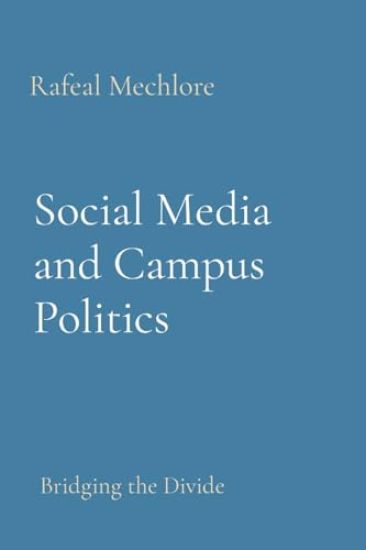
Social Media and Campus Politics: Bridging the Divide
This complete assortment of expositions investigates the diverse parts of our quickly developing world, offering bits of knowledge into the unpredictable convergence of innovation, activism, correspondence, and worldwide network. From the job of virtual entertainment in grounds governmental issues to the basic of connected citizenship in the computerized age, each exposition dives into basic subjects that shape our social orders and fates. The main arrangement of articles digs into the advancing scene of grounds governmental issues and its cooperative relationship with virtual entertainment. They shed light on how computerized stages have reformed the manner in which understudies participate in activism, assemble backing, and bring issues to light about major problems. Be that as it may, these articles additionally feature the difficulties presented by the advanced circle, including the spread of deception and the extending of philosophical partitions. The job of man-made reasoning and calculations in molding our web-based encounters and dynamic cycles is investigated, underlining the requirement for moral and straightforward man-made intelligence rehearses. Amidst these computerized changes, the expositions highlight the strength and flexibility of grounds political developments. They investigate how understudy activists have broadened their concentration, embraced inclusivity, and bridled computerized devices to advocate for change. The rise of the up and coming age of activists, described by their energy, variety, and worldwide viewpoint, shows the potential for innovation to enhance voices and work with worldwide commitment. The expositions further dig into the interconnectedness of worldwide developments that rise above borders and join individuals in tending to shared difficulties, for example, environmental change and basic liberties. They stress the significance of worldwide collaboration and fortitude in tracking down answers for complex worldwide issues. Suggestions for a more comprehensive and useful future range different spaces, including schooling, working environment variety, ecological manageability, and youth strengthening. These suggestions highlight the meaning of cooperation, sympathy, and capable commitment as drivers of positive change. Best practices for virtual entertainment commitment give pragmatic experiences into major areas of strength for building networks and encouraging significant associations in the computerized domain. They feature the significance of grasping one's crowd, making quality substance, and keeping up with predictable marking to actually explore the unique scene of web-based entertainment. In equal, the papers on systems for encouraging common talk underline the requirement for aware and helpful discourse. They offer functional procedures for advancing open conversations, tending to clashes, and building figuring out in an undeniably spellbound world. The last exposition highlights the significance of connected citizenship in the advanced age, stressing its job in exploring the data scene, enhancing minimized voices, and advancing metro commitment. It features the meaning of worldwide associations and dependable tech rehearses as fundamental parts of educated and empathetic citizenship.
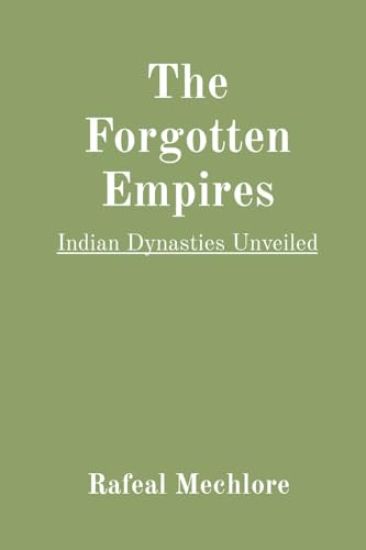
The Forgotten Empires: Indian Dynasties Unveiled
Examples from History - Directing Light for the Present and Future History is in excess of a vault of dusty dates and neglected names; it is a rich embroidery woven with the strings of human experience. It is a mother lode of examples, every part offering significant experiences into the human condition. "Examples from History" welcomes you to set out on an excursion through time, where the reverberations of the past resonate in the present and enlighten the way to a superior future. This investigation digs into the immortal insight found in the chronicles of history, refining it into significant examples that resound across societies and ages. From the perspective of authentic occasions, we find the results of arrogance - that charming yet risky mix of pride and carelessness. From the doomed journey of the Titanic to the ascent and fall of domains, we reveal the sobering truth that unrestrained arrogance can prompt fiasco. Lowliness, we learn, is definitely not an indication of shortcoming however a rampart against wildness. Versatility arises as a sparkling reference point in the midst of the haziest parts of history. The tales of people like Nelson Mandela, who got through many years of detainment at this point never gave up to surrender, and the suffragettes who battled tirelessly for ladies' freedoms, advise us that difficulty isn't the end however a chance for development. History instructs us that mishaps, regardless of how overwhelming, can be changed into venturing stones toward progress. "Examples from History" additionally dives into the persevering through force of advancement, the significance of solidarity in achieving social change, and the unstoppable human soul that arises even in the most disheartening of conditions. These illustrations impact us today as we wrestle with worldwide difficulties, from environmental change to civil rights. This investigation fills in as an extension between the past and the future, a signal of shrewdness that guides us through the intricacies of the present. By embracing the illustrations of history, we honor the traditions of the people who preceded us and gain experiences to explore the unknown waters of tomorrow. Go along with us on this illuminating excursion through time, where the past addresses the present and lights the way forward.