Will an insult (and Ruby Beautiful? ) spark Wednesday Wilson's next business idea? When Wednesday Wilson and her best friend, Charlie, get an unexpected day off from school, they plan to work on a new business idea. But their day gets upended when they find out they have to spend it with Ruby Beautiful, their former best friend who dumped them for the Emmas. Things get even stranger when Ruby comes to Charlie's defense after the Emmas make fun of his freckles. Ruby tells the Emmas that, according to her cool older brother, Raj, freckles are popular, and, in fact "People spend tons of money to get freckles tattooed on their faces." Wait, could this be the perfect new business idea Wednesday has been searching for? And, even more important, could this mean she and Charlie have their best friend back? Part of Bree Galbraith's critically acclaimed early chapter book series, this title brings everything readers love: a high-energy plot, loads of twists and turns and a diverse cast of unforgettable characters. What they'll also love is finally learning why Ruby Beautiful stopped being friends with Wednesday, and why she became friends with the Emmas instead. Short chapters filled with Morgan Goble's character-focused illustrations, lists and other clever images make this series perfect for emerging readers. Definitions of business-oriented vocabulary words that appear throughout the story maintain the fun theme. The story encourages ingenuity, creative thinking and problem solving. It makes a great choice for character education lessons on initiative, perseverance and teamwork.
Nile Wilson is known to many as a Great Britain Gymnast who won a Bronze Medal at the 2016 Rio Olympics and who is England's most successful ever gymnast at a Commonwealth Games following his 5 medals in 2018\. Yet, Nile is so much more than just a gymnast. A YouTuber with over a million subscribers, a social media influencer, a successful businessman and entrepeneur, Nile is also an advocate for mental health awareness, and who has been very open about his own personal struggles. Nile Wilson - My Story gives an unprecedented look into Nile's true battle to be fit and ready for the Tokyo 2020 Olympics - throughout the Games and the aftermath. The public perception of Nile Wilson is his humour, openness and how down to earth he is, all of which is true. Due to this perception however, people presume they know everything about him. This book will shatter that perception, and reveal the struggles behind the smiles, from the brutal reality of performing at an elite sporting level, to the mental health battles Nile has had to fight - and continues to fight - every day.
Nile Wilson is one of Great Britain's most successful gymnasts of all time. He won Britain's first ever Olympic medal on the High Bar with a bronze in at the 2016 Rio Olympics. He is also England's most successful ever gymnast at the Commonwealth Games, with a total medal haul of five golds, three silvers and a bronze. Yet Nile is so much more than just a gymnast. An online content creator, an entrepreneur, a successful businessman and an advocate for mental health awareness. Nile Wilson - My Story gives an unprecedented look into Nile's entire journey in and out of gymnastics. People often presume to know so much about Nile due to his huge online audience, but this book will shatter that perception. Nile talks through how he rapidly rose to gymnastics stardom; his views on gymnastics coaching; the enormous battles he faced with injury that eventually forced him into retirement; his battles with gambling and mental health issues; his family; and how he successfully moved into business. Importantly, he finally lifts the lid on the true details behind the fall out with Leeds Gymnastics Club and British Gymnastics, and how the future of the sport needs to be shaped. No stone is left unturned.
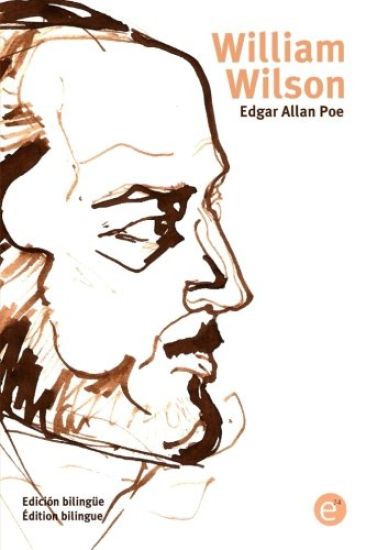
Tal vez el mayor placer que me es da-do alcanzar hoy en d a sea el demorarme en recuerdos de la escuela y todo lo que con ella se relaciona. Empapado como estoy por la desgracia -una desgracia, ay demasiado real- se me perdonar que busque alivio, aunque leve y ef mero, en la debilidad de algunos detalles por vagos que sean. Esos detalles, triviales y hasta rid culos en s mismos, asumen en mi imaginaci n una extra a importancia por estar relacionados con una poca y un lugar en donde reconozco la presencia de las primeras ambiguas admoniciones del destino que despu s me envolvieron tan completamente en su sombra. Perm tanme, entonces, que recuerde. ...]
Cette nouvelle crite la premi re personne raconte la vie du narrateur qui choisit le pseudonyme de William Wilson. L'histoire commence dans la campagne anglaise, dans une cole o le personnage particuli rement intelligent et manipulateur commence son ducation en compagnie d'autres coliers. Un nouvel arrivant va bouleverser sa vie. Ce nouvel colier porte le m me nom que celui du narrateur et va calquer le comportement et les attitudes de ce dernier, son seul d faut tant qu'il ne peut lever la voix au-del d'un chuchotement. De plus, il est le seul rivaliser avec lui, contestant ainsi sa sup riorit sur ses autres camarades. Le narrateur va s'en irriter jusqu' quitter l' cole pour poursuivre ses tudes Oxford o il s'initie aux vices du jeu. Un soir, alors qu'au moyen de duperies il ruine un riche tudiant, un homme au visage couvert intervient et d nonce ses tricheries aux autres tudiants qui le prient de partir. Le narrateur fuit et poursuit son destin travers l'Europe o son double intervient et met bas ses plans. Au cours d'un bal masqu Rome, le narrateur retrouve son adversaire, habill exactement comme lui, et l'embroche avec son p e. Il s'en d tourne un instant et quand il lui fait face nouveau, il ne voit plus qu'une glace dans laquelle il se reconna t p le et barbouill de sang. Cette image de son double agonisant lui dit alors (d'un ton normal et non en chuchotant comme il l'avait toujours fait auparavant): Tu as vaincu, et je succombe. Mais dor navant, tu es mort aussi, mort au Monde, au Ciel et l'esp rance. En moi tu existais, et vois dans ma mort, vois par cette image qui est la tienne, comme tu t'es radicalement assassin toi-m me.
La historia comienza con el narrador que se hace llamar William Wilson, denunciando su pasado derrochador, aunque ste no se siente culpable, pues entiende que ning n otro hombre ha sido tentado de igual manera antes. Narra la infancia y juventud de William en un colegio isabelino. Relata que all conoci a otro chico con su mismo nombre, parecido a l y nacido el mismo d a, el 19 de enero, fecha de cumplea os del mismo autor. Compite con este muchacho, pero l le supera f cilmente, de manera que lo considera prueba de su aut ntica superioridad. Este chico comienza a imitar la forma de vestir, la manera de andar e incluso la forma de hablar del protagonista (aunque tiene un defecto en el habla que solo le permite hablar susurrando), y llega un momento en que William descubre que ste tiene exactamente su misma cara. Al ver esto, William abandona inmediatamente la academia, s lo para descubrir que su doble se ha marchado el mismo d a. William con el tiempo estudia en Eton y Oxford, haci ndose cada vez m s depravado y ganando enormes cantidades de dinero mediante enga os al jugar a las cartas con un pobre noble y la seducci n de una mujer casada. En esta etapa aparece su doble de nuevo, con la cara siempre cubierta, susurrando unas pocas palabras que alertan a otros sobre el comportamiento de William. En el ltimo de estos incidentes, en un baile en Roma, William arrastra a su doble a una antec mara y lo apu ala. Tras la acci n de William, aparece un enorme espejo en el que ste ve el rostro del fallecido, momento en el que el narrador siente que est pronunciando las palabras: en m exist as, y en mi muerte, ve cu n profundamente te has asesinado a ti mismo. Cette nouvelle crite la premi re personne raconte la vie du narrateur qui choisit le pseudonyme de William Wilson. L'histoire commence dans la campagne anglaise, dans une cole o le personnage particuli rement intelligent et manipulateur commence son ducation en compagnie d'autres coliers. Un nouvel arrivant va bouleverser sa vie. Ce nouvel colier porte le m me nom que celui du narrateur et va calquer le comportement et les attitudes de ce dernier, son seul d faut tant qu'il ne peut lever la voix au-del d'un chuchotement. De plus, il est le seul rivaliser avec lui, contestant ainsi sa sup riorit sur ses autres camarades. Le narrateur va s'en irriter jusqu' quitter l' cole pour poursuivre ses tudes Oxford o il s'initie aux vices du jeu. Un soir, alors qu'au moyen de duperies il ruine un riche tudiant, un homme au visage couvert intervient et d nonce ses tricheries aux autres tudiants qui le prient de partir. Le narrateur fuit et poursuit son destin travers l'Europe o son double intervient et met bas ses plans. Au cours d'un bal masqu Rome, le narrateur retrouve son adversaire, habill exactement comme lui, et l'embroche avec son p e. Il s'en d tourne un instant et quand il lui fait face nouveau, il ne voit plus qu'une glace dans laquelle il se reconna t p le et barbouill de sang. Cette image de son double agonisant lui dit alors (d'un ton normal et non en chuchotant comme il l'avait toujours fait auparavant): Tu as vaincu, et je succombe. Mais dor navant, tu es mort aussi, mort au Monde, au Ciel et l'esp rance. En moi tu existais, et vois dans ma mort, vois par cette image qui est la tienne, comme tu t'es radicalement assassin toi-m me.
The story follows a man of "a noble descent" who calls himself William Wilson because, although denouncing his profligate past, he does not accept blame dubious - discuss]for his actions, saying that "man was never thus ...] tempted before". After several paragraphs, the narration then segues into a description of Wilson's boyhood, which was spent in a school "in a misty-looking village of England". William meets another boy in his school who shared the same name, who had roughly the same appearance, and who was even born on exactly the same date (January 19, Poe's own birthday). William's name (he asserts that his actual name is only similar to "William Wilson") embarrasses him because it sounds "plebeian" or common, and he is irked that he must hear the name twice as much on account of the other William. The boy also dresses like William, walks like him, and even looks like him, but he could only speak in a whisper, he imitates that whisper exactly. He begins to give orders to William of an unspecified nature, which he refuses to obey, resenting the boy's "arrogance". One night he stole into the other William's bedroom and saw that the boy's face had suddenly become different. Upon seeing this, William left the academy immediately in horror, and in the same week, the other boy followed him. William eventually attends Eton and Oxford, gradually becoming more debauched and performing what he terms "mischief". For example, he stole from a man by cheating at cards. The other William appeared, his face covered, whispered a few words sufficient to alert others to William's behavior, and leaves with no others seeing his face. In his latest caper, he tries to seduce a married woman but the other William stops him at a ball in Rome; the enraged William drags his "unresisting" double-who was wearing identical clothes-into an antechamber, and stabs him fatally. Cette nouvelle crite la premi re personne raconte la vie du narrateur qui choisit le pseudonyme de William Wilson. L'histoire commence dans la campagne anglaise, dans une cole o le personnage particuli rement intelligent et manipulateur commence son ducation en compagnie d'autres coliers. Un nouvel arrivant va bouleverser sa vie. Ce nouvel colier porte le m me nom que celui du narrateur et va calquer le comportement et les attitudes de ce dernier, son seul d faut tant qu'il ne peut lever la voix au-del d'un chuchotement. De plus, il est le seul rivaliser avec lui, contestant ainsi sa sup riorit sur ses autres camarades. Le narrateur va s'en irriter jusqu' quitter l' cole pour poursuivre ses tudes Oxford o il s'initie aux vices du jeu. Un soir, alors qu'au moyen de duperies il ruine un riche tudiant, un homme au visage couvert intervient et d nonce ses tricheries aux autres tudiants qui le prient de partir. Le narrateur fuit et poursuit son destin travers l'Europe o son double intervient et met bas ses plans. Au cours d'un bal masqu Rome, le narrateur retrouve son adversaire, habill exactement comme lui, et l'embroche avec son p e. Il s'en d tourne un instant et quand il lui fait face nouveau, il ne voit plus qu'une glace dans laquelle il se reconna t p le et barbouill de sang. Cette image de son double agonisant lui dit alors (d'un ton normal et non en chuchotant comme il l'avait toujours fait auparavant): Tu as vaincu, et je succombe. Mais dor navant, tu es mort aussi, mort au Monde, au Ciel et l'esp rance. En moi tu existais, et vois dans ma mort, vois par cette image qui est la tienne, comme tu t'es radicalement assassin toi-m me.
Cette nouvelle crite la premi re personne raconte la vie du narrateur qui choisit le pseudonyme de William Wilson. L'histoire commence dans la campagne anglaise, dans une cole o le personnage particuli rement intelligent et manipulateur commence son ducation en compagnie d'autres coliers. Un nouvel arrivant va bouleverser sa vie. Ce nouvel colier porte le m me nom que celui du narrateur et va calquer le comportement et les attitudes de ce dernier, son seul d faut tant qu'il ne peut lever la voix au-del d'un chuchotement. De plus, il est le seul rivaliser avec lui, contestant ainsi sa sup riorit sur ses autres camarades. Le narrateur va s'en irriter jusqu' quitter l' cole pour poursuivre ses tudes Oxford o il s'initie aux vices du jeu. Un soir, alors qu'au moyen de duperies il ruine un riche tudiant, un homme au visage couvert intervient et d nonce ses tricheries aux autres tudiants qui le prient de partir. Le narrateur fuit et poursuit son destin travers l'Europe o son double intervient et met bas ses plans. Au cours d'un bal masqu Rome, le narrateur retrouve son adversaire, habill exactement comme lui, et l'embroche avec son p e. Il s'en d tourne un instant et quand il lui fait face nouveau, il ne voit plus qu'une glace dans laquelle il se reconna t p le et barbouill de sang. Cette image de son double agonisant lui dit alors (d'un ton normal et non en chuchotant comme il l'avait toujours fait auparavant): Tu as vaincu, et je succombe. Mais dor navant, tu es mort aussi, mort au Monde, au Ciel et l'esp rance. En moi tu existais, et vois dans ma mort, vois par cette image qui est la tienne, comme tu t'es radicalement assassin toi-m me.
*Please note, this title is personalised for Mr Wilson only. For other names, please contact us BEFORE placing an order at www.puzzle-book.co.uk/contactus* Packed with 200 9x9 sudoku puzzles in levels easy, medium and hard, this book is sure to keep you entertained for hours Printed in a large 8x10" book, the sudoku puzzles are clear and easy to see. Printed on high quality paper, the player can easily take notes to make the puzzle experience all the more enjoyable Whether you're looking for a less challenging puzzle to wind down with, or you're wanting to really work your brain and tackle the more difficult sudoku's, there's definitely something to keep you busy here. Featuring a fantastic collection of 200 of the very best sudoku puzzles, this book is the perfect gift All puzzles come complete with solutions towards the back of the book so if you get stuck, take a look there for some inspiration This puzzle book is part of our huge collection. See more at www.puzzle-book.co.uk
Margaret Oliphant Wilson Oliphant (n e Margaret Oliphant Wilson) (4 April 1828 - 25 June 1897), was a Scottish novelist and historical writer, who usually wrote as Mrs. Oliphant. Her fictional works encompass "domestic realism, the historical novel and tales of the supernatural". *Life* The daughter of Francis W. Wilson (c.1788-1858), a clerk, and his wife, Margaret Oliphant (c.1789-1854), she was born at Wallyford, near Musselburgh, East Lothian, and spent her childhood at Lasswade (near Dalkeith), Glasgow and Liverpool. As a girl, she constantly experimented with writing. In 1849 she had her first novel published: Passages in the Life of Mrs. Margaret Maitland. This dealt with the Scottish Free Church movement, with which Mr. and Mrs. Wilson both sympathised, and met with some success. It was followed by Caleb Field in 1851, the year in which she met the publisher William Blackwood in Edinburgh and was invited to contribute to the famous Blackwood's Magazine. The connection was to last for her whole lifetime, during which she contributed well over 100 articles, including a critique of the character of Arthur Dimmesdale in Nathaniel Hawthorne's The Scarlet Letter. In May 1852, she married her cousin, Frank Wilson Oliphant, at Birkenhead, and settled at Harrington Square in London. An artist working mainly in stained glass, her husband had delicate health, and three of their six children died in infancy, while the father himself developed alarming symptoms of tuberculosis, then known as consumption. For the sake of his health they moved in January 1859 to Florence, and then to Rome, where Frank Oliphant died. His wife, left almost entirely without resources, returned to England and took up the burden of supporting her three remaining children by her own literary activity.She had now become a popular writer, and worked with amazing industry to sustain her position. Unfortunately, her home life was full of sorrow and disappointment. In January 1864 her only remaining daughter Maggie died in Rome, and was buried in her father's grave. Her brother, who had emigrated to Canada, was shortly afterwards involved in financial ruin, and Mrs. Oliphant offered a home to him and his children, and added their support to her already heavy responsibilities.In 1866 she settled at Windsor to be near her sons who were being educated at Eton. That year, her second cousin, Annie Louisa Walker, came to live with her as a companion-housekeeper. 3] This was her home for the rest of her life, and for more than thirty years she pursued a varied literary career with courage scarcely broken by a series of the gravest troubles. The ambitions she cherished for her sons were unfulfilled. Cyril Francis, the elder, died in 1890, leaving a Life of Alfred de Musset, incorporated in his mother's Foreign Classics for English Readers, The younger, Francis (whom she called "Cecco"), collaborated with her in the Victorian Age of English Literature and won a position at the British Museum, but was rejected by Sir Andrew Clark, a famous physician. Cecco died in 1894. With the last of her children lost to her, she had but little further interest in life. Her health steadily declined, and she died at Wimbledon, London, on 25 June 1897.In the 1880s she was the literary mentor of the Irish novelist Emily Lawless. During this time Oliphant wrote several works of supernatural fiction, including the long ghost story A Beleaguered City (1880) and several short tales, including "The Open Door" and "Old Lady Mary".
Margaret Oliphant Wilson Oliphant (n e Margaret Oliphant Wilson) (4 April 1828 - 25 June 1897), was a Scottish novelist and historical writer, who usually wrote as Mrs. Oliphant. Her fictional works encompass "domestic realism, the historical novel and tales of the supernatural". *Life* The daughter of Francis W. Wilson (c.1788-1858), a clerk, and his wife, Margaret Oliphant (c.1789-1854), she was born at Wallyford, near Musselburgh, East Lothian, and spent her childhood at Lasswade (near Dalkeith), Glasgow and Liverpool. As a girl, she constantly experimented with writing. In 1849 she had her first novel published: Passages in the Life of Mrs. Margaret Maitland. This dealt with the Scottish Free Church movement, with which Mr. and Mrs. Wilson both sympathised, and met with some success. It was followed by Caleb Field in 1851, the year in which she met the publisher William Blackwood in Edinburgh and was invited to contribute to the famous Blackwood's Magazine. The connection was to last for her whole lifetime, during which she contributed well over 100 articles, including a critique of the character of Arthur Dimmesdale in Nathaniel Hawthorne's The Scarlet Letter. In May 1852, she married her cousin, Frank Wilson Oliphant, at Birkenhead, and settled at Harrington Square in London. An artist working mainly in stained glass, her husband had delicate health, and three of their six children died in infancy, while the father himself developed alarming symptoms of tuberculosis, then known as consumption. For the sake of his health they moved in January 1859 to Florence, and then to Rome, where Frank Oliphant died. His wife, left almost entirely without resources, returned to England and took up the burden of supporting her three remaining children by her own literary activity.She had now become a popular writer, and worked with amazing industry to sustain her position. Unfortunately, her home life was full of sorrow and disappointment. In January 1864 her only remaining daughter Maggie died in Rome, and was buried in her father's grave. Her brother, who had emigrated to Canada, was shortly afterwards involved in financial ruin, and Mrs. Oliphant offered a home to him and his children, and added their support to her already heavy responsibilities.In 1866 she settled at Windsor to be near her sons who were being educated at Eton. That year, her second cousin, Annie Louisa Walker, came to live with her as a companion-housekeeper. 3] This was her home for the rest of her life, and for more than thirty years she pursued a varied literary career with courage scarcely broken by a series of the gravest troubles. The ambitions she cherished for her sons were unfulfilled. Cyril Francis, the elder, died in 1890, leaving a Life of Alfred de Musset, incorporated in his mother's Foreign Classics for English Readers, The younger, Francis (whom she called "Cecco"), collaborated with her in the Victorian Age of English Literature and won a position at the British Museum, but was rejected by Sir Andrew Clark, a famous physician. Cecco died in 1894. With the last of her children lost to her, she had but little further interest in life. Her health steadily declined, and she died at Wimbledon, London, on 25 June 1897.In the 1880s she was the literary mentor of the Irish novelist Emily Lawless. During this time Oliphant wrote several works of supernatural fiction, including the long ghost story A Beleaguered City (1880) and several short tales, including "The Open Door" and "Old Lady Mary".
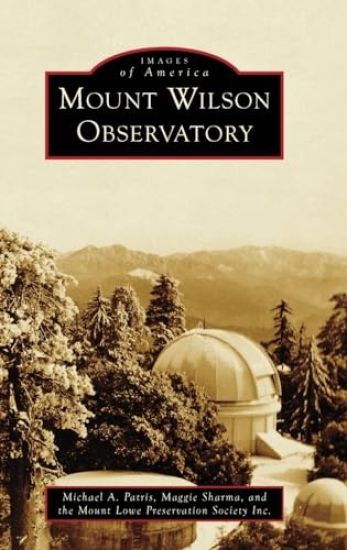
Visionary astronomer George Ellery Hale founded the Mount Wilson Observatory in 1904, high above Pasadena in Southern California's San Gabriel Mountains. At an elevation of 5,700 feet, with exceptionally stable air and nearly 300 days of clear skies annually, this prime location was deemed the perfect site to investigate the secrets of the universe. With funding from the Carnegie Institute of Washington, by 1917 Hale had constructed the world's first two tower telescopes for study of the sun and the world's two largest reflecting telescopes for study of the stars, ushering in the "New Astronomy" astrophysics. Magnetism outside of Earth, stellar evolution, dark matter, our place in the Milky Way, and Hubble's landmark discovery of our expanding universe are just a few of the spectacular discoveries made by the Mount Wilson Observatory astronomers for more than a century. Today, the observatory is run by the Mount Wilson Institute and is open to the public for tours and nighttime viewing through these same historic telescopes. The authors selected the majority of images from the personal collection of Maggie Sharma, which will be donated to the Mount Lowe Preservation Society, and from the vast archives of that society, of which Michael A. Patris is founder and president.