
Kirjailija
Andrew Tikhomirov
Kirjat ja teokset yhdessä paikassa: 172 kirjaa, julkaisuja vuosilta 2020-2022, suosituimpien joukossa Australier und Ozeanier. Vertaile teosten hintoja ja tarkista saatavuus suomalaisista kirjakaupoista.
172 kirjaa
Kirjojen julkaisuhaarukka 2020-2022.

Almost a quarter of humanity, under the slogan of market reforms led by the Communist Party of China, continues to build socialism, surprising the world with unprecedented economic success. And all this thanks to the Chinese worldview, which since ancient times has absorbed all positive and useful things, allowed the country to develop. The Chinese schools of Taoism, Confucianism, Moism, Legitimus, natural philosophers and others had a huge impact on the subsequent development of Chinese philosophy. It was during this period that notions and categories were born, which then became traditional for the entire subsequent history of the Chinese worldview, up to the present day. It was during this period that the concepts and categories that later became traditional for the entire subsequent history of the Chinese worldview until the present day. It is officially stated that by the middle of this century, China will be the richest, most democratic and most powerful socialist state in the world. The 82 millionth Communist Party of China is the largest political party in the world and rules the world's most populous country (over 1.3 billion people).

l wird seit der Antike verwendet. Ausgrabungen am Ufer des Euphrats ergaben die Existenz eines lfeldes 6-4 Tausend Jahre vor Christus. Zu dieser Zeit wurde l als Brennstoff und lbitumen - im Bauwesen und im Stra enbau - verwendet. Bereits in der Antike stellte Sumer Ziegel aus gebranntem Lehm her, die zum Bauen verwendet wurden, sowie Erdteer - Bitumen als Kalk zum Verbinden von Ziegeln. Bitumen ist l, aus dem alle am leichtesten verdampfenden Fraktionen entfernt werden. l war auch im alten gypten bekannt, wo es zum Einbalsamieren der Toten verwendet wurde. Plutarch und Dioskorid erw hnen l als einen im antiken Griechenland verwendeten Brennstoff. Vor etwa 2 Tausend Jahren waren seine Ablagerungen in Surakhany in der N he der heutigen Stadt Baku bekannt. l wird im Alten Testament auch in den folgenden B chern erw hnt: Genesis; Josua; Drittes Buch der K nige; Viertes Buch der K nige; Psalter; Prophet Jesaja; Prophet Daniel; Drittes Buch Esra; Salomos Weisheit; Zweites Buch der Makkab er.

El petr leo se ha usado desde la antig edad. Las excavaciones en la orilla del r o ufrates revelaron la existencia de un campo de petr leo 6-4 mil a os antes de Cristo. En esa poca, el petr leo se utilizaba como combustible, y el bet n de petr leo - en la construcci n y la construcci n de carreteras. Ya en la antigua Sumeria se hac an ladrillos de arcilla quemada, que se utilizaban para la construcci n, y alquitr n de tierra - bet n como cal para la uni n de los ladrillos. El bet n es un aceite del que se extraen todas las fracciones de m s f cil evaporaci n. El petr leo tambi n era conocido en el Antiguo Egipto, donde se usaba para embalsamar a los muertos. Plutarco y Dioskorid mencionan el petr leo como un combustible utilizado en la Antigua Grecia. Hace unos 2 mil a os se sab a de sus dep sitos en Surakhany, cerca de la moderna ciudad de Bak . El petr leo tambi n se menciona en el Antiguo Testamento en los siguientes libros: G nesis; Josu ; Tercer Libro de los Reyes; Cuarto Libro de los Reyes; Salterio; Profeta Isa as; Profeta Daniel; Tercer Libro de Esdras; Sabidur a de Salom n; Segundo Libro de los Macabeos.

Ropa naftowa byla używana od czas w starożytnych. Wykopaliska na brzegu Eufratu ujawnily istnienie pola naftowego 6-4 tys. lat przed Chrystusem. W tym czasie ropa naftowa byla wykorzystywana jako paliwo, a bitum naftowy - w budownictwie i budowie dr g. Już w Starożytnym Sumerze wytwarzano cegly z wypalanej gliny, kt rą wykorzystywano do budowy, a smolę ziemną - bitum jako wapno do spajania cegiel. Bitum to olej, z kt rego usuwane są wszystkie najlatwiej odparowujące frakcje. Ropa naftowa byla r wnież znana w Starożytnym Egipcie, gdzie byla używana do balsamowania zmarlych. Plutarch i Dioskorid wymieniają olej jako paliwo używane w Starożytnej Grecji. Okolo 2 tys. lat temu wiadomo bylo o jego zlożach w Surakhanach w pobliżu nowoczesnego miasta Baku. O ropie naftowej jest r wnież mowa w Starym Testamencie w następujących księgach: Księga Rodzaju; Jozuego; Trzecia Księga Kr l w; Czwarta Księga Kr l w; Psalter; Prorok Izajasz; Prorok Daniel; Trzecia Księga Ezdrasza; Mądrośc Salomona; Druga Księga Makabeusza.

O leo utilizado desde os tempos antigos. As escava es na margem do rio Eufrates revelaram a exist ncia de um campo petrol fero 6-4 mil anos antes de Cristo. Nessa altura, o petr leo era utilizado como combust vel, e o betume de petr leo - na constru o civil e na constru o de estradas. J na Sum ria Antiga se fabricavam tijolos de argila queimada, que eram utilizados na constru o, e alcatr o de terra - betume como cal para a colagem de tijolos. O betume leo, do qual s o retiradas todas as frac es que evaporam mais facilmente. O petr leo tamb m era conhecido no Antigo Egipto, onde era utilizado para embalsamar os mortos. Plutarch e Dioskorid mencionam o leo como combust vel utilizado na Gr cia Antiga. H cerca de 2 mil anos atr s, era conhecido pelos seus dep sitos em Surakhany, perto da moderna cidade de Baku. O petr leo tamb m mencionado no Antigo Testamento nos seguintes livros: G nesis; Josu ; Terceiro Livro dos Reis; Quarto Livro dos Reis; Salt rio; Profeta Isa as; Profeta Daniel; Terceiro Livro de Esdras; Sabedoria de Salom o; Segundo Livro de Macabeus.


Olie wordt al sinds de oudheid gebruikt. Bij opgravingen aan de oever van de rivier de Eufraat is het bestaan van een olieveld 6-4 duizend jaar voor Christus aan het licht gekomen. In die tijd werd olie gebruikt als brandstof, en oliebitumen - in de bouw en de wegenbouw. Reeds in de Oudheid maakte Sumerische bakstenen van gebrande klei, die werden gebruikt voor de bouw, en aarde teer - bitumen als kalk voor het verlijmen van bakstenen. Bitumen is olie, waaruit alle gemakkelijk verdampende fracties worden verwijderd. Olie was ook bekend in het oude Egypte, waar het werd gebruikt om de doden te balsemen. Plutarch en Dioskorid noemen olie als brandstof in het oude Griekenland. Ongeveer tweeduizend jaar geleden was het bekend over de afzettingen in Surakhany in de buurt van de moderne stad Baku. Olie wordt ook genoemd in het Oude Testament in de volgende boeken: Genesis; Jozua; Derde Boek der Koningen; Vierde Boek der Koningen; Psalter; Profeet Jesaja; Profeet Dani l; Derde Boek van Ezra; Wijsheid van Salomo; Tweede Boek der Makkabee n.
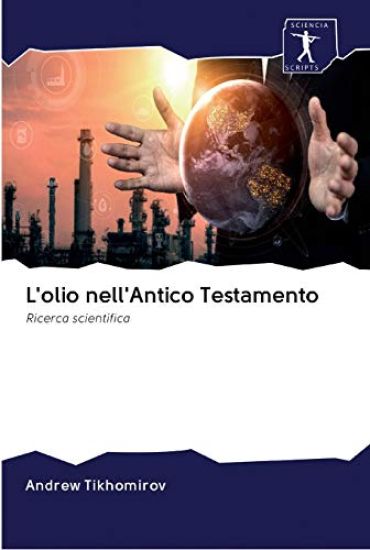
L'olio stato usato fin dall'antichit . Gli scavi sulle rive dell'Eufrate hanno rivelato l'esistenza di un giacimento di petrolio 6-4 mila anni prima di Cristo. A quel tempo, il petrolio era usato come combustibile, e il bitume di petrolio - nelle costruzioni e nella costruzione di strade. Gi nell'Antica Sumera si fabbricavano mattoni di argilla bruciata, che venivano utilizzati per la costruzione, e catrame di terra - bitume come calce per l'incollaggio dei mattoni. Il bitume olio, dal quale vengono rimosse tutte le frazioni che evaporano pi facilmente. Il petrolio era conosciuto anche nell'Antico Egitto, dove veniva usato per imbalsamare i morti. Plutarco e Dioskorid citano il petrolio come combustibile utilizzato nell'Antica Grecia. Circa 2 mila anni fa si sapeva dei suoi depositi a Surakhany, vicino alla moderna citt di Baku. L'olio menzionato nell'Antico Testamento anche nei seguenti libri: Genesi; Giosu ; Terzo Libro dei Re; Quarto Libro dei Re; Salterio; Profeta Isaia; Profeta Daniele; Terzo Libro di Esdra; Saggezza di Salomone; Secondo Libro dei Maccabei.

Oil has been used since ancient times. Excavation on the bank of the Euphrates River revealed the existence of an oil field 6-4 thousand years before Christ. At that time, oil was used as fuel, and oil bitumen - in construction and road construction. Already in Ancient Sumer made bricks from burnt clay, which were used for construction, and earth tar - bitumen as lime for bonding bricks. Bitumen is oil, from which all the most easily evaporating fractions are removed. Oil was also known in Ancient Egypt, where it was used to embalm the dead. Plutarch and Dioskorid mention oil as a fuel used in Ancient Greece. About 2 thousand years ago it was known about its deposits in Surakhany near modern city of Baku. Oil is also mentioned in the Old Testament in the following books: Genesis; Joshua; Third Book of Kings; Fourth Book of Kings; Psalter; Prophet Isaiah; Prophet Daniel; Third Book of Ezra; Solomon's Wisdom; Second Book of Maccabees.
Les peuples de la famille linguistique sino-tibétaine
Andrew Tikhomirov
Editions Notre Savoir
2020
nidottu

Los pueblos sino-tibetanos son pueblos unidos por el parentesco de las lenguas que componen la familia sino-tibetana. Los pueblos sino-tibetanos viven principalmente en China, donde constituyen la mayor a de la poblaci n. Los pueblos sino-tibetanos o sino-tibetanos incluyen: pueblos tibetano-birmanos, bai (baitszi, baini) y pueblos chinos, estos son: Dungan, Han chinos (en realidad chinos), Hoa, Hueizu. Los pueblos sino-tibetanos incluyen la mayor a de Bhut n (principalmente Bhotiya, el idioma oficial Bhotiya o Dzongke, cercano al tibetano), Myanmar y Singapur. Grupos significativos de pueblos sino-tibetanos tambi n habitan en Tailandia, Vietnam, Laos, Nepal, India y otros. La palabra rusa "China" se toma prestada de los pueblos de Asia Central, que dieron al pa s este nombre, seg n una de las versiones, por el nombre del pueblo de origen mongol: los chinos, que en la antig edad eran due os de la parte norte de China. Los nombres de China en Europa Occidental y Oriente Medio se remontan a la palabra "Chin", a la designaci n iran del nombre del pa s, en alem n, holand s, espa ol e ingl s: China, en franc s: Chine, en serbio: China.

I popoli sino-tibetani sono popoli uniti dalla parentela delle lingue che compongono la famiglia sino-tibetana. I popoli sino-tibetani vivono principalmente in Cina, dove costituiscono la maggioranza della popolazione. I popoli sino-tibetani o sino-tibetani includono: i popoli tibetani-birmani, bai (baitszi, baini) e cinesi, questi sono: Dungan, cinesi Han (in realt cinesi), Hoa, Hueizu. I popoli sino-tibetani comprendono la maggior parte del Bhutan (principalmente Bhotiya, la lingua ufficiale Bhotiya o Dzongke, vicino al tibetano), Myanmar e Singapore. Gruppi significativi di popolazioni sino-tibetane abitano anche la Thailandia, il Vietnam, il Laos, il Nepal, l'India e altri. La parola russa "Cina" presa in prestito dai popoli dell'Asia centrale, che hanno dato al paese questo nome, secondo una delle versioni, con il nome del popolo di origine mongola - i cinesi, che nell'antichit possedevano la parte settentrionale della Cina. I nomi dell'Europa occidentale e del Medio Oriente della Cina risalgono alla parola "Chin", alla designazione iraniana del nome del Paese, in tedesco, olandese, spagnolo e inglese: Cina, in francese: Chine, in serbo: Cina.

De Sino-Tibetaanse volkeren zijn volkeren die verenigd zijn door de verwantschap van de talen die deel uitmaken van de Sino-Tibetaanse familie. De Sino-Tibetaanse volkeren leven voornamelijk in China, waar zij de meerderheid van de bevolking vormen. Sino-Tibetaanse of Sino-Tibetaanse volkeren zijn: Tibetaans-Burman volkeren, bai (aaszi, baini) en Chinese volkeren, dit zijn: Dungan, Han-Chinees (eigenlijk Chinees), Hoa, Hueizu. Tot de Sino-Tibetaanse volkeren behoren het merendeel van het Bhutan (voornamelijk Bhotiya, de offici le taal Bhotiya of Dzongke, dicht bij het Tibetaans), Myanmar en Singapore. Belangrijke groepen Sino-Tibetaanse volkeren wonen ook in Thailand, Vietnam, Laos, Nepal, India en andere landen. Het Russische woord "China" is ontleend aan de Centraal-Aziatische volkeren, die het land deze naam gaven, volgens een van de versies, bij de naam van het volk van Mongoolse afkomst - de Chinezen, die in de oudheid het noordelijke deel van China bezaten. De West-Europese en Midden-Oosterse namen van China gaan terug op het woord "Chin", op de Iraanse benaming van het land, in het Duits, Nederlands, Spaans en Engels: China, in het Frans: Chine, in het Servisch: China.

The Sino-Tibetan peoples are peoples united by the kinship of languages that make up the Sino-Tibetan family. The Sino-Tibetan peoples live mainly in China, where they constitute the majority of the population. Sino-Tibetan or Sino-Tibetan peoples include: Tibetan-Burman peoples, bai (baitszi, baini) and Chinese peoples, these are: Dungan, Han Chinese (actually Chinese), Hoa, Hueizu. The Sino-Tibetan peoples include the majority of Bhutan (mainly Bhotiya, the official language Bhotiya or Dzongke, close to Tibetan), Myanmar, and Singapore. Significant groups of Sino-Tibetan peoples also inhabit Thailand, Vietnam, Laos, Nepal, India and others. The Russian word "China" is borrowed from the Central Asian peoples, who gave the country this name, according to one of the versions, by the name of the people of Mongolian origin - the Chinese, who in ancient times owned the northern part of China. The Western European and Middle Eastern names of China date back to the word "Chin", to the Iranian designation of the country's name, in German, Dutch, Spanish and English: China, in French: Chine, in Serbian: China. This name comes from the name of the ancient Chinese kingdom Qin.
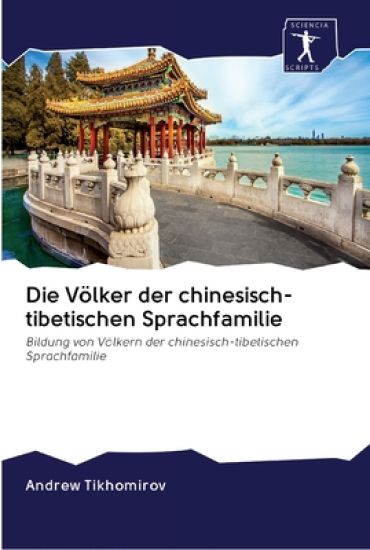
Chinesisch-tibetische V lker sind V lker, die durch die Verwandtschaft der Sprachen, aus denen die chinesisch-tibetische Familie besteht, vereint sind. Die chinesisch-tibetischen V lker leben haupts chlich in China, wo sie die Mehrheit der Bev lkerung ausmachen. Zu den chinesisch-tibetischen oder chinesisch-tibetischen V lkern geh ren: tibetisch-burmanische V lker, bai (baitszi, baini) und chinesische V lker, das sind: Dungan, Han-Chinesen (eigentlich Chinesen), Hoa, Hueizu. Zu den chinesisch-tibetischen V lkern geh ren die Mehrheit von Bhutan (haupts chlich Bhotiya, die offizielle Sprache Bhotiya oder Dzongke, in der N he von Tibetisch), Myanmar und Singapur. Bedeutende Gruppen chinesisch-tibetischer V lker leben auch in Thailand, Vietnam, Laos, Nepal, Indien und anderen L ndern. Das russische Wort "China" ist von den zentralasiatischen V lkern entlehnt, die dem Land diesen Namen gaben, nach einer der Versionen durch den Namen des Volkes mongolischer Herkunft - der Chinesen, denen in der Antike der n rdliche Teil Chinas geh rte. Die westeurop ischen und nah stlichen Namen Chinas gehen auf das Wort "Chin" zur ck, auf die iranische Bezeichnung des Landesnamens, auf Deutsch.

Ludy chińsko-tybetańskie są ludami zjednoczonymi przez pokrewieństwo język w, kt re tworzą rodzinę chińsko-tybetańską. Ludy chińsko-tybetańskie mieszkają gl wnie w Chinach, gdzie stanowią większośc populacji. Do lud w chińsko-tybetańskich lub chińsko-tybetańskich należą ludy tybetańsko-burmańskie, bai (baitszi, baini) i ludy chińskie, są to: Dungan, Han chiński (wlaściwie chiński), Hoa, Hueizu. Do lud w chińsko-tybetańskich należy większośc Bhutanu (gl wnie Bhotiya, język urzędowy Bhotiya lub Dzongke, blisko Tybetu), Myanmar i Singapur. Znaczące grupy ludności chińsko-tybetańskiej zamieszkują r wnież Tajlandię, Wietnam, Laos, Nepal, Indie i inne. Rosyjskie slowo "Chiny" zostalo zapożyczone od lud w Azji Środkowej, kt re nadaly temu krajowi tę nazwę, wedlug jednej z wersji, przez nazwę ludności pochodzenia mongolskiego - Chińczyk w, kt rzy w starożytności byli wlaścicielami p lnocnej części Chin. Zachodnioeuropejskie i bliskowschodnie nazwy Chin pochodzą od slowa "Chin", od irańskiej nazwy kraju, w językach niemieckim, holenderskim, hiszpańskim i angielskim: Chiny, francuskim: Chiny, serbskim: Chiny. Nazwa ta pochodzi od nazwy starożytnego chińskiego kr lestwa Qin.