
Kirjailija
Aristotle
Kirjat ja teokset yhdessä paikassa: 593 kirjaa, julkaisuja vuosilta 1799-2026, suosituimpien joukossa Aristotle: Physics, Book VIII. Vertaile teosten hintoja ja tarkista saatavuus suomalaisista kirjakaupoista.
593 kirjaa
Kirjojen julkaisuhaarukka 1799-2026.
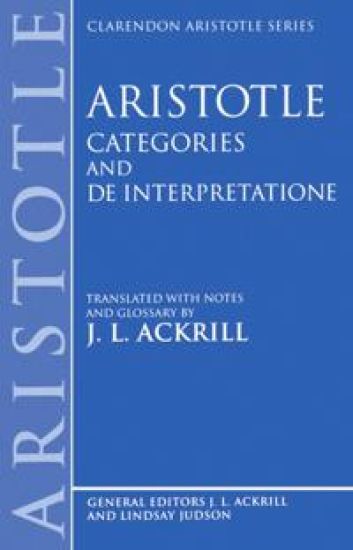
Categories and De Interpretatione
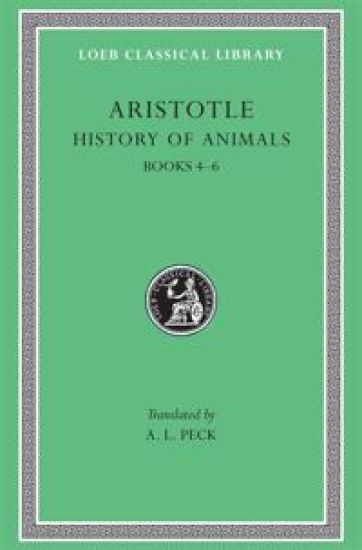
Inductive zoology.In History of Animals Aristotle analyzes “differences”—in parts, activities, modes of life, and character—across the animal kingdom, in preparation for establishing their causes, which are the concern of his other zoological works. Over 500 species of animals are considered: shellfish, insects, birds, fish, reptiles, amphibians, and mammals—including human beings.In Books I–IV, Aristotle gives a comparative survey of internal and external body parts, including tissues and fluids, and of sense faculties and voice. Books V–VI study reproductive methods, breeding habits, and embryogenesis as well as some secondary sex differences. In Books VII–IX, Aristotle examines differences among animals in feeding; in habitat, hibernation, migration; in enmities and sociability; in disposition (including differences related to gender) and intelligence. Here too he describes the human reproductive system, conception, pregnancy, and obstetrics. Book X establishes the female’s contribution to generation.The Loeb Classical Library edition of History of Animals is in three volumes. A full index to all ten books is included in Volume Three.Related Volumes:Aristotle’s biological corpus includes not only History of Animals, but also Parts of Animals, Movement of Animals, Progression of Animals, Generation of Animals, and significant parts of On the Soul and Parva Naturalia. Aristotle’s general methodology—“first we must grasp the differences, then try to discover the causes” (HA 1.6)—is applied to the study of plants by his younger co-worker and heir to his school, Theophrastus: Enquiry into Plants studies differences across the plant kingdom, while De Causis Plantarum studies their causes. In the later ancient world, both Pliny’s Natural History and Aelian’s On the Characteristics of Animals draw significantly on Aristotle’s biological work. The only work by a classical author at all comparable to Aristotle’s treatises on animals is Xenophon’s On Horses (included in Volume VII of the Loeb edition of Xenophon).
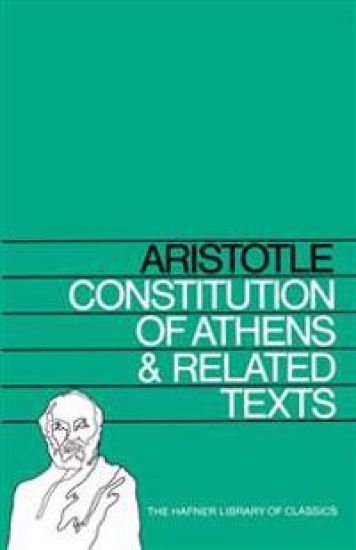
A refreshing approach to the study of major Western philosophers. Introductory essays by noted scholars enliven each volume with insights into the human side of the great thinkers, and provide authoritative discussions of the historical background, evolution and importance of their ideas. Highly recommended as stimulating classroom text.
Dr Lloyd writes for those who want to discover and explore Aristotle's work for themselves. He acts as mediator between Aristotle and the modern reader. The book is divided into two parts. The first tells the story of Aristotle's intellectual development as far as it can be reconstructed; the second presents the fundamentals of his thought in the main fields of inquiry which interested him: logic and metaphysics, physics, psychology, ethics, politics, and literary criticism. The final chapter considers the unity and coherence of Aristotle's philosophy, and records briefly his later influence on European thought. This is a concise and lucid account of the work of a difficult and profound thinker. Dr Lloyd's business is only with the essentials; but he does not shirk the difficulties which arise in their interpretation, nor does he invest Aristotle with a spurious modernity.
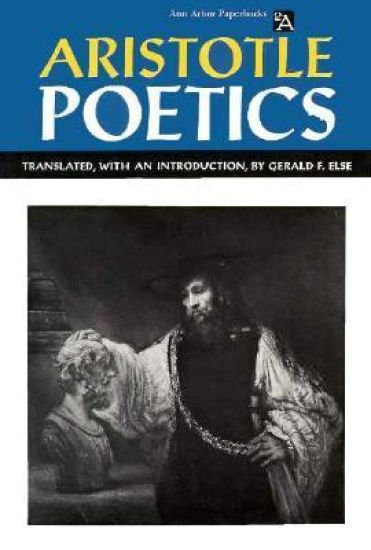
Aristotle's Poetics is a work of transcendent importance, both for the history of literary criticism and in its own right. In his masterful translation and accompanying notes, Dr. Else makes a special effort to achieve maximum clarity, while remaining faithful to the original. His constant aim is to provide -- for all readers -- a "way in" to Aristotle's processes of thinking about literature. This important modern translation is made form the 1965 Oxford Classical Text edition of the Poetics by Rudolf Kassel and thus reflects the latest and most authoritative textual scholarship. Not only the translation but the valuable fund of commentary will delight anyone -- literary critic, philosopher, classicist, or general reader -- who want to learn what Aristotle really said.
Inductive zoology.In History of Animals Aristotle analyzes “differences”—in parts, activities, modes of life, and character—across the animal kingdom, in preparation for establishing their causes, which are the concern of his other zoological works. Over 500 species of animals are considered: shellfish, insects, birds, fish, reptiles, amphibians, and mammals—including human beings.In Books I–IV, Aristotle gives a comparative survey of internal and external body parts, including tissues and fluids, and of sense faculties and voice. Books V–VI study reproductive methods, breeding habits, and embryogenesis as well as some secondary sex differences. In Books VII–IX, Aristotle examines differences among animals in feeding; in habitat, hibernation, migration; in enmities and sociability; in disposition (including differences related to gender) and intelligence. Here too he describes the human reproductive system, conception, pregnancy, and obstetrics. Book X establishes the female’s contribution to generation.The Loeb Classical Library edition of History of Animals is in three volumes. A full index to all ten books is included in Volume Three.Related Volumes:Aristotle’s biological corpus includes not only History of Animals, but also Parts of Animals, Movement of Animals, Progression of Animals, Generation of Animals, and significant parts of On the Soul and Parva Naturalia. Aristotle’s general methodology—“first we must grasp the differences, then try to discover the causes” (HA 1.6)—is applied to the study of plants by his younger co-worker and heir to his school, Theophrastus: Enquiry into Plants studies differences across the plant kingdom, while De Causis Plantarum studies their causes. In the later ancient world, both Pliny’s Natural History and Aelian’s On the Characteristics of Animals draw significantly on Aristotle’s biological work. The only work by a classical author at all comparable to Aristotle’s treatises on animals is Xenophon’s On Horses (included in Volume VII of the Loeb edition of Xenophon).
Please note, this is the original Greek text.
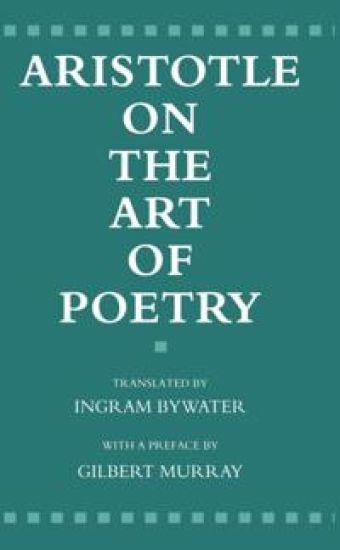
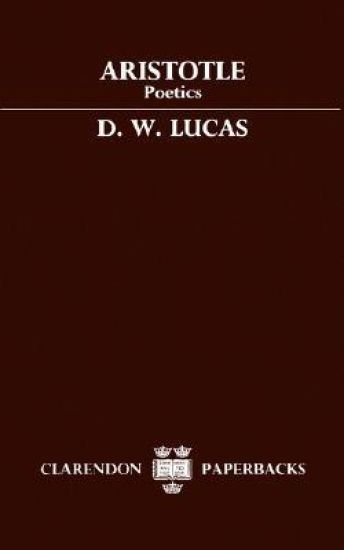
The Art of Poetry
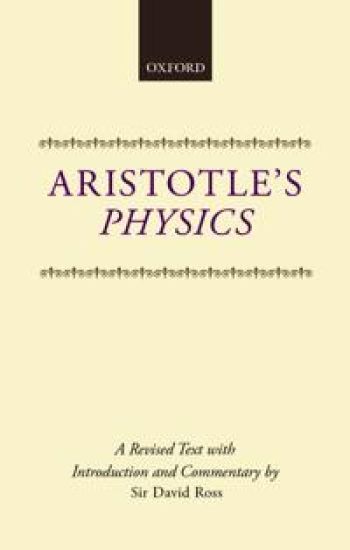
A new translation of Aristotle's classic work on the natural sciences.
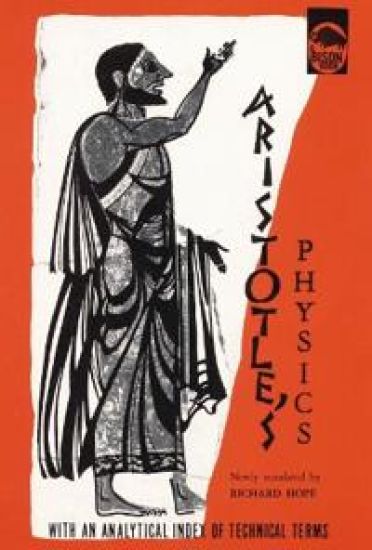
The history of Western civilization has passed verdict on this book which we cherish as one of the noblest accomplishments of human intelligence. The present age may disbelieve in Aristotle's astronomical theories, but is also rejects Newtonian physics as definitive answers to scientific inquiry. Yet scientific progress does not diminish the value of previous contributions, for, as it is well said, we stand on the shoulders of giants. Such works as the Physics are the eternal possessions of mankind.The present translation of the Physics, which is the work of both a philosopher and a classical scholar, was first used in manuscript form in a seminar on Aristotle at Columbia University. According to the translator, Professor Richard Hope, it has been "planned especially for the benefit of college and graduate students of philosophy. Instead of aiming at a literal reproduction of Aristotle's words and sentences, this version undertakes to present his ideas as we would express them, yet with as much fidelity to his text as the exigencies of a clear English rendering will allow." The translation also includes an analytical index which is in itself an invaluable piece of scholarly work. By reference to key numbers in the translation, the reader may readily determine the Greek terms which are being paraphrased.
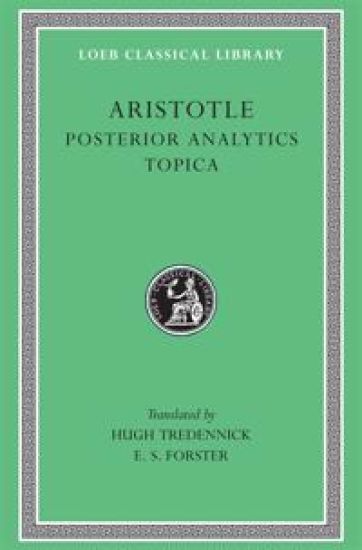
The philosopher’s toolkit.Aristotle, great Greek philosopher, researcher, reasoner, and writer, born at Stagirus in 384 BC, was the son of a physician. He studied under Plato at Athens and taught there (367–347); subsequently he spent three years at the court of a former pupil in Asia Minor. After some time at Mitylene, in 343–342 he was appointed by King Philip of Macedon to be tutor of his teen-aged son Alexander. After Philip’s death in 336, Aristotle became head of his own school (of “Peripatetics”), the Lyceum at Athens. Because of anti-Macedonian feeling there after Alexander’s death in 323, he withdrew to Chalcis in Euboea, where he died in 322.Nearly all the works Aristotle prepared for publication are lost; the priceless ones extant are lecture-materials, notes, and memoranda (some are spurious). They can be categorized as follows:I Practical: Nicomachean Ethics; Great Ethics (Magna Moralia); Eudemian Ethics; Politics; Economics (on the good of the family); On Virtues and Vices.II Logical: Categories; Analytics (Prior and Posterior); Interpretation; Refutations used by Sophists; Topica.III Physical: Twenty-six works (some suspect) including astronomy, generation and destruction, the senses, memory, sleep, dreams, life, facts about animals, etc.IV Metaphysics: on being as being.V Art: Rhetoric and Poetics.VI Other works including the Constitution of Athens; more works also of doubtful authorship.VII Fragments of various works such as dialogues on philosophy and literature; and of treatises on rhetoric, politics, and metaphysics.The Loeb Classical Library edition of Aristotle is in twenty-three volumes.
Peripatetic works on the human body and soul.Aristotle, great Greek philosopher, researcher, reasoner, and writer, born at Stagirus in 384 BC, was the son of a physician. He studied under Plato at Athens and taught there (367–347); subsequently he spent three years at the court of a former pupil in Asia Minor. After some time at Mitylene, in 343–342 he was appointed by King Philip of Macedon to be tutor of his teen-aged son Alexander. After Philip’s death in 336, Aristotle became head of his own school (of “Peripatetics”), the Lyceum at Athens. Because of anti-Macedonian feeling there after Alexander’s death in 323, he withdrew to Chalcis in Euboea, where he died in 322.Nearly all the works Aristotle prepared for publication are lost; the priceless ones extant are lecture-materials, notes, and memoranda (some are spurious). They can be categorized as follows:I Practical: Nicomachean Ethics; Great Ethics (Magna Moralia); Eudemian Ethics; Politics; Economics (on the good of the family); On Virtues and Vices.II Logical: Categories; Analytics (Prior and Posterior); Interpretation; Refutations used by Sophists; Topica.III Physical: Twenty-six works (some suspect) including astronomy, generation and destruction, the senses, memory, sleep, dreams, life, facts about animals, etc.IV Metaphysics: on being as being.V Art: Rhetoric and Poetics.VI Other works including the Constitution of Athens; more works also of doubtful authorship.VII Fragments of various works such as dialogues on philosophy and literature; and of treatises on rhetoric, politics, and metaphysics.The Loeb Classical Library® edition of Aristotle is in twenty-three volumes.
Natural causes.Aristotle, great Greek philosopher, researcher, reasoner, and writer, born at Stagirus in 384 BC, was the son of a physician. He studied under Plato at Athens and taught there (367–347); subsequently he spent three years at the court of a former pupil in Asia Minor. After some time at Mitylene, in 343–342 he was appointed by King Philip of Macedon to be tutor of his teen-aged son Alexander. After Philip’s death in 336, Aristotle became head of his own school (of “Peripatetics”), the Lyceum at Athens. Because of anti-Macedonian feeling there after Alexander’s death in 323, he withdrew to Chalcis in Euboea, where he died in 322.Nearly all the works Aristotle prepared for publication are lost; the priceless ones extant are lecture-materials, notes, and memoranda (some are spurious). They can be categorized as follows:I Practical: Nicomachean Ethics; Great Ethics (Magna Moralia); Eudemian Ethics; Politics; Economics (on the good of the family); On Virtues and Vices.II Logical: Categories; Analytics (Prior and Posterior); Interpretation; Refutations used by Sophists; Topica.III Physical: Twenty-six works (some suspect) including astronomy, generation and destruction, the senses, memory, sleep, dreams, life, facts about animals, etc.IV Metaphysics: on being as being.V Art: Rhetoric and Poetics.VI Other works including the Constitution of Athens; more works also of doubtful authorship.VII Fragments of various works such as dialogues on philosophy and literature; and of treatises on rhetoric, politics, and metaphysics.The Loeb Classical Library® edition of Aristotle is in twenty-three volumes.
On Sophistical Refutations. On Coming-To-Be and Passing Away. On the Cosmos
Aristotle
LOEB
1955
sidottu
Fallacies, contraries, consistencies.Aristotle, great Greek philosopher, researcher, reasoner, and writer, born at Stagirus in 384 BC, was the son of a physician. He studied under Plato at Athens and taught there (367–347); subsequently he spent three years at the court of a former pupil in Asia Minor. After some time at Mitylene, in 343–342 he was appointed by King Philip of Macedon to be tutor of his teen-aged son Alexander. After Philip’s death in 336, Aristotle became head of his own school (of “Peripatetics”), the Lyceum at Athens. Because of anti-Macedonian feeling there after Alexander’s death in 323, he withdrew to Chalcis in Euboea, where he died in 322.Nearly all the works Aristotle prepared for publication are lost; the priceless ones extant are lecture-materials, notes, and memoranda (some are spurious). They can be categorized as follows:I Practical: Nicomachean Ethics; Great Ethics (Magna Moralia); Eudemian Ethics; Politics; Economics (on the good of the family); On Virtues and Vices.II Logical: Categories; Analytics (Prior and Posterior); Interpretation; Refutations used by Sophists; Topica.III Physical: Twenty-six works (some suspect) including astronomy, generation and destruction, the senses, memory, sleep, dreams, life, facts about animals, etc.IV Metaphysics: on being as being.V Art: Rhetoric and Poetics.VI Other works including the Constitution of Athens; more works also of doubtful authorship.VII Fragments of various works such as dialogues on philosophy and literature; and of treatises on rhetoric, politics, and metaphysics.The Loeb Classical Library edition of Aristotle is in twenty-three volumes.
Aristotle's great work translated into English with an index giving Greek, Latin, and English forms of key terms
Things in heaven and earth.Aristotle, great Greek philosopher, researcher, reasoner, and writer, born at Stagirus in 384 BC, was the son of a physician. He studied under Plato at Athens and taught there (367–347); subsequently he spent three years at the court of a former pupil in Asia Minor. After some time at Mitylene, in 343–342 he was appointed by King Philip of Macedon to be tutor of his teen-aged son Alexander. After Philip’s death in 336, Aristotle became head of his own school (of “Peripatetics”), the Lyceum at Athens. Because of anti-Macedonian feeling there after Alexander’s death in 323, he withdrew to Chalcis in Euboea, where he died in 322.Nearly all the works Aristotle prepared for publication are lost; the priceless ones extant are lecture-materials, notes, and memoranda (some are spurious). They can be categorized as follows:I Practical: Nicomachean Ethics; Great Ethics (Magna Moralia); Eudemian Ethics; Politics; Economics (on the good of the family); On Virtues and Vices.II Logical: Categories; Analytics (Prior and Posterior); Interpretation; Refutations used by Sophists; Topica.III Physical: Twenty-six works (some suspect) including astronomy, generation and destruction, the senses, memory, sleep, dreams, life, facts about animals, etc.IV Metaphysics: on being as being.V Art: Rhetoric and Poetics.VI Other works including the Constitution of Athens; more works also of doubtful authorship.VII Fragments of various works such as dialogues on philosophy and literature; and of treatises on rhetoric, politics, and metaphysics.The Loeb Classical Library edition of Aristotle is in twenty-three volumes.

Efficient causes of life.Aristotle, great Greek philosopher, researcher, reasoner, and writer, born at Stagirus in 384 BC, was the son of a physician. He studied under Plato at Athens and taught there (367–347); subsequently he spent three years at the court of a former pupil in Asia Minor. After some time at Mitylene, in 343–342 he was appointed by King Philip of Macedon to be tutor of his teen-aged son Alexander. After Philip’s death in 336, Aristotle became head of his own school (of “Peripatetics”), the Lyceum at Athens. Because of anti-Macedonian feeling there after Alexander’s death in 323, he withdrew to Chalcis in Euboea, where he died in 322.Nearly all the works Aristotle prepared for publication are lost; the priceless ones extant are lecture-materials, notes, and memoranda (some are spurious). They can be categorized as follows:I Practical: Nicomachean Ethics; Great Ethics (Magna Moralia); Eudemian Ethics; Politics; Economics (on the good of the family); On Virtues and Vices.II Logical: Categories; Analytics (Prior and Posterior); Interpretation; Refutations used by Sophists; Topica.III Physical: Twenty-six works (some suspect) including astronomy, generation and destruction, the senses, memory, sleep, dreams, life, facts about animals, etc.IV Metaphysics: on being as being.V Art: Rhetoric and Poetics.VI Other works including the Constitution of Athens; more works also of doubtful authorship.VII Fragments of various works such as dialogues on philosophy and literature; and of treatises on rhetoric, politics, and metaphysics.The Loeb Classical Library edition of Aristotle is in twenty-three volumes.
Peripatetic cosmology.Aristotle, great Greek philosopher, researcher, reasoner, and writer, born at Stagirus in 384 BC, was the son of a physician. He studied under Plato at Athens and taught there (367–347); subsequently he spent three years at the court of a former pupil in Asia Minor. After some time at Mitylene, in 343–342 he was appointed by King Philip of Macedon to be tutor of his teen-aged son Alexander. After Philip’s death in 336, Aristotle became head of his own school (of “Peripatetics”), the Lyceum at Athens. Because of anti-Macedonian feeling there after Alexander’s death in 323, he withdrew to Chalcis in Euboea, where he died in 322.Nearly all the works Aristotle prepared for publication are lost; the priceless ones extant are lecture-materials, notes, and memoranda (some are spurious). They can be categorized as follows:I Practical: Nicomachean Ethics; Great Ethics (Magna Moralia); Eudemian Ethics; Politics; Economics (on the good of the family); On Virtues and Vices.II Logical: Categories; Analytics (Prior and Posterior); Interpretation; Refutations used by Sophists; Topica.III Physical: Twenty-six works (some suspect) including astronomy, generation and destruction, the senses, memory, sleep, dreams, life, facts about animals, etc.IV Metaphysics: on being as being.V Art: Rhetoric and Poetics.VI Other works including the Constitution of Athens; more works also of doubtful authorship.VII Fragments of various works such as dialogues on philosophy and literature; and of treatises on rhetoric, politics, and metaphysics.The Loeb Classical Library edition of Aristotle is in twenty-three volumes.
The philosopher’s toolkit.Aristotle, great Greek philosopher, researcher, reasoner, and writer, born at Stagirus in 384 BC, was the son of a physician. He studied under Plato at Athens and taught there (367–347); subsequently he spent three years at the court of a former pupil in Asia Minor. After some time at Mitylene, in 343–342 he was appointed by King Philip of Macedon to be tutor of his teen-aged son Alexander. After Philip’s death in 336, Aristotle became head of his own school (of “Peripatetics”), the Lyceum at Athens. Because of anti-Macedonian feeling there after Alexander’s death in 323, he withdrew to Chalcis in Euboea, where he died in 322.Nearly all the works Aristotle prepared for publication are lost; the priceless ones extant are lecture-materials, notes, and memoranda (some are spurious). They can be categorized as follows:I Practical: Nicomachean Ethics; Great Ethics (Magna Moralia); Eudemian Ethics; Politics; Economics (on the good of the family); On Virtues and Vices.II Logical: Categories; Analytics (Prior and Posterior); Interpretation; Refutations used by Sophists; Topica.III Physical: Twenty-six works (some suspect) including astronomy, generation and destruction, the senses, memory, sleep, dreams, life, facts about animals, etc.IV Metaphysics: on being as being.V Art: Rhetoric and Poetics.VI Other works including the Constitution of Athens; more works also of doubtful authorship.VII Fragments of various works such as dialogues on philosophy and literature; and of treatises on rhetoric, politics, and metaphysics.The Loeb Classical Library edition of Aristotle is in twenty-three volumes.