
Kirjailija
Charlotte Bronte
Kirjat ja teokset yhdessä paikassa: 866 kirjaa, julkaisuja vuosilta 1847-2026, suosituimpien joukossa Kotiopettajattaren romaani. Vertaile teosten hintoja ja tarkista saatavuus suomalaisista kirjakaupoista.
Mukana myös kirjoitusasut: Charlotte Brontë, Charlotte Bronte'
866 kirjaa
Kirjojen julkaisuhaarukka 1847-2026.
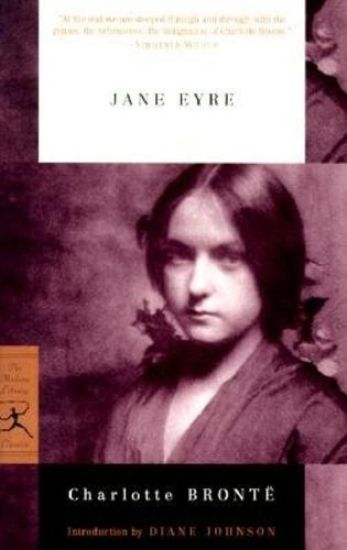
Initially published under the pseudonym Currer Bell in 1847, Charlotte Brontë's Jane Eyre erupted onto the English literary scene, immediately winning the devotion of many of the world's most renowned writers, including William Makepeace Thackeray, who declared it a work "of great genius." Widely regarded as a revolutionary novel, Brontë's masterpiece introduced the world to a radical new type of heroine, one whose defiant virtue and moral courage departed sharply from the more acquiescent and malleable female characters of the day. Passionate, dramatic, and surprisingly modern, Jane Eyre endures as one of the world's most beloved novels. This Modern Library Paperback Classics edition includes newly written explanatory notes. "At the end we are steeped through and through with the genius, the vehemence, the indignation of Charlotte Brontë."--Virginia Woolf

In this volume we share Charlotte Brontë's experience for four crucial years. The success of Jane Eyre and the strange power of Wuthering Heights made the 'brothers Bell' the 'universal theme of conversation'; but privately the family endured the deaths of Branwell Brontë in September and Emily in December 1848, followed by Anne's in May 1849. Haunted by the fear that she also would succumb, Charlotte found salvation in writing Shirley, published in October 1849, and comfort in her friendship and correspondence with Ellen Nussey, with her publishers–especially George Smith–with Mrs Gaskell, and (for a time) Harriet Martineau. She may also have received a proposal of marriage from Smith, Edler's manager, James Taylor.
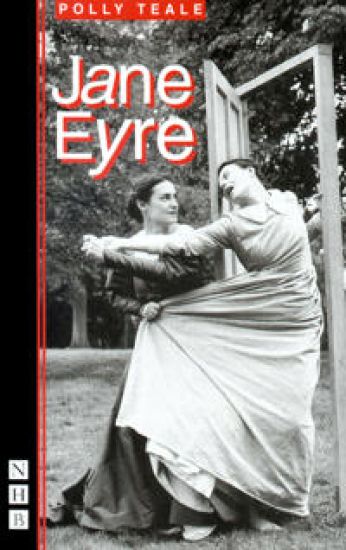
A bold and theatrically inventive adaptation of the literary classic that puts the interior life of the novel on stage. As a child, the orphaned Jane Eyre is taught by a succession of severe guardians to stifle her natural exuberance. A part of herself is locked away, out of view of polite society... until she arrives at Rochester's house as a governess to his young child. Soon Rochester's passionate nature reawakens Jane's hidden self, but darker secrets are stirring in the attic... Polly Teale's adaptation of Charlotte Bronte's Jane Eyre was first performed by Shared Experience Theatre Company in 1997.
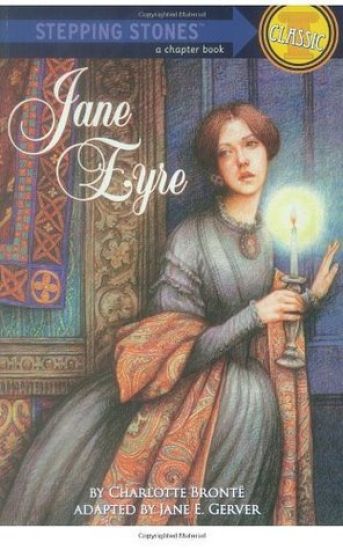
Orphaned at an early age, Jane Eyre, leads a lonely life until she finds a position as a governess at Thornfield Hall. There she meets the mysterious Mr. Rochester and sees a ghostly woman who roams the halls at night. What is the sinister secret that threatens Jane and her new found happiness? "Step into Classics(TM)" adaptations feature easy-to-read texts, big type, and short chapters that are ideal for reluctant readers and kids not yet ready to tackle original classics.
This dramatization of Charlotte Bronte's classic 19th-century novel focuses on Jane Eyre's love affair with Rochester. All the action is contained within a single setting, with a small inset scene, providing opportunities for a mixed cast to play 11 characters.
`Men don't seem to understand making letters a vehicle of communication - they always seem to think us uncautious. I'm sure I don't think I have said anything rash - however you must burn it when read.' Despite the request, Charlotte Brontë's lifelong friend Ellen Nussey probably burnt very little of her correspondence, and in this edition, based as far as possible on original manuscripts, many confidential and outspoken letters are published in full for the first time. The present volume includes letters from Charlotte's childhood (the first written to her father in September 1829), and takes the reader up to the publication and review of Jane Eyre (1847). Early editions depended largely on bowdlerized or inaccurate copies, and even the much improved Shakespeare Head edition of 1932 suffered from limited access to manuscripts, owing to the nefarious activities of T. J. Wise. Since 1932 many more manuscripts have become available, and the present edition includes new letters, previously unpublished passages censored by Ellen Nussey or Mrs Gaskell, and full annotation. As well as Charlotte's own letters, a handful of important letters by friends and family relating to her or illuminating her correspondence are included, along with extracts from the diaries of Emily and Anne Brontë, Ellen Nussey, and Charlotte's rejected suitor Henry Nussey. The full Introduction includes an illuminating account of the early publication history of the letters, and biographical material on the main correspondents. Of particular interest in the notes to this volume are the extensive quotations from early reviews of Jane Eyre.
With an Introduction and Notes by Dr Sally Minogue. The Professor is Charlotte Brontës first novel, in which she audaciously inhabits the voice and consciousness of a man, William Crimsworth. Like Jane Eyre he is parentless; like Lucy Snowe in Villette he leaves the certainties of England to forge a life in Brussels. But as a man, William has freedom of action, and as a writer Brontë is correspondingly liberated, exploring the relationship between power and sexual desire. William's first person narration reveals his attraction to the dominating directress of the girls' school where he teaches, played out in the school's 'secret garden'. Balanced against this is his more temperate relationship with one of his pupils, Frances Henri, in which mastery and submission interplay. The Professor was published only after Charlotte Brontës death; today it gives us a fascinating insight into the first stirrings of her supreme creative imagination.

Jane Eyre by Charlotte Brontë is one of the most loved English Classics of all time. Mystery, hardship - and love.Jane comes from nothing but she desires everything life can offer her. And when she finds work as a governess in a mysterious mansion, it seems she has finally met her match with the darkly fascinating Mr Rochester. But Thornfield Hall contains a shameful secret - one that could keep Jane and Rochester apart forever. Can she choose between what is right, and her one chance of happiness?***One of the most widely-read and enjoyed of all Victorian novels, and one of the greatest tales of a woman's struggle for dignity and love in a hard time***Charlotte Brontë (1816-55) is the sister of Anne Brontë and Emily Brontë, author of Wuthering Heights. Jane Eyre appeared in 1847 and was followed by Shirley (1848) and Vilette (1853). In 1854 Charlotte Brontë married her father's curate, Arthur Bell Nicholls. She died during her pregnancy on March 31, 1855 in Haworth, Yorkshire.
Orphaned at an early age, Jane Eyre leads a lonely life until she finds work as a governess at Thornfield Hall, where she meets the mysterious Mr Rochester and sees a ghostly woman who roams the halls by night.
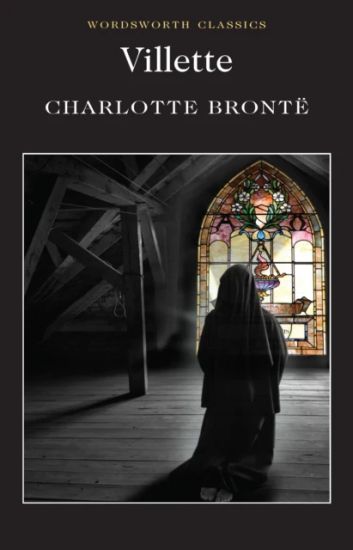
With an Introduction and Notes by Dr Sally Minogue, Department of English, Canterbury Christ Church University College. Based on Charlotte Brontë's personal experience as a teacher in Brussels, Villette is a moving tale of repressed feelings and subjection to cruel circumstance and position, borne with heroic fortitude. Rising above the frustrations of confinement within a rigid social order, it is also the story of a woman's right to love and be loved.
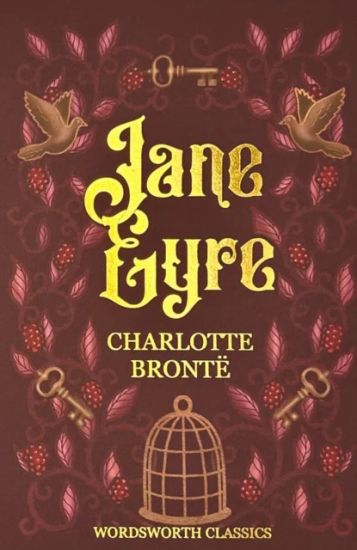
Introduction and Notes by Dr Sally Minogue, Canterbury Christ Church University College. Jane Eyre ranks as one of the greatest and most perennially popular works of English fiction. Although the poor but plucky heroine is outwardly of plain appearance, she possesses an indomitable spirit, a sharp wit and great courage. She is forced to battle against the exigencies of a cruel guardian, a harsh employer and a rigid social order. All of which circumscribe her life and position when she becomes governess to the daughter of the mysterious, sardonic and attractive Mr Rochester. However, there is great kindness and warmth in this epic love story, which is set against the magnificent backdrop of the Yorkshire moors. Ultimately the grand passion of Jane and Rochester is called upon to survive cruel revelation, loss and reunion, only to be confronted with tragedy.

Left by harrowing circumstances to fend for herself in the great capital of a foreign country, Lucy Snowe, the narrator and heroine of "Villette", achieves by degrees an authentic independence from both outer necessity and inward grief.
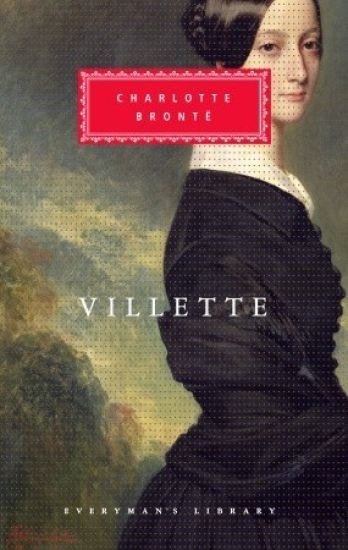
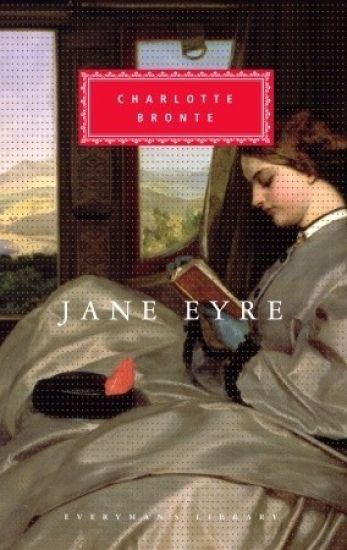
Charlotte Brontë's novel about the passionate love between Jane Eyre, a young girl alone in the world, and the rich, brilliant, domineering Rochester has enthralled every kind of reader, from the most critical and cultivated to the youngest and most unabashedly romantic, ever since its publication in 1847. It lives as one of the great triumphs of storytelling and as a moving affirmation of the prerogatives of the heart in the face of disappointment and misfortune. With an introduction by Lucy Hughes-Hallet.
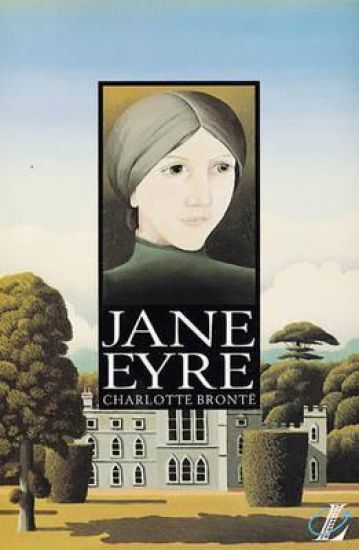
Orphaned and penniless, Jane Eyre arrives as governess at the home of the brooding Mr Rochester. Before long he has captured her heart. But what terrible secret lurks in the attic of Thornfield Hall?
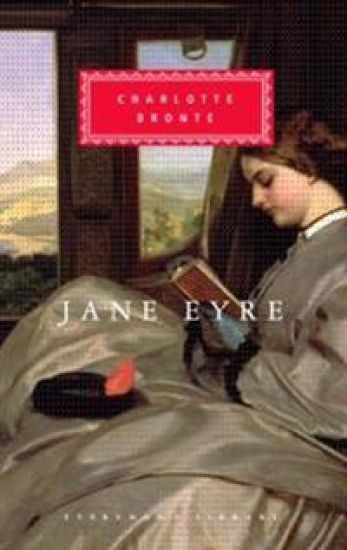
Jane Eyre (1847) has enjoyed huge popularity since first publication, and its success owes much to its exceptional emotional power. Jane Eyre, a penniless orphan, is engaged as governess at Thornfield Hall by the mysterious Mr Rochester. Her integrity and independence are tested to the limit as their love for each other grows, and the secrets of Mr Rochester's past are revealed.
Jane Eyre is a novel by English writer Charlotte Bront , first published in 1847. It erupted onto the English literary scene, immediately winning the devotion of many of the world's most renowned writers, including William Makepeace Thackeray, who declared it a work "of great genius." Widely regarded as a revolutionary novel, Bronte's masterpiece introduced the world to a radical new type of heroine, one whose defiant virtue and moral courage departed sharply from the more acquiescent and malleable female characters of the day. The novel contains elements of social criticism, with a strong sense of morality at its core, and is considered ahead of its time given the individualistic character of Jane and its exploration of classism, sexuality, religion, and proto-feminism.
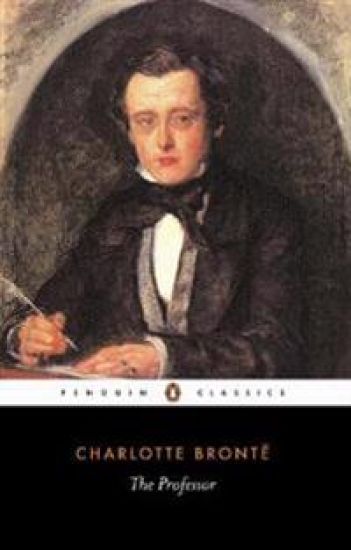
The hero of Charlotte Bronte's first novel escapes a dreary clerkship in industrial Yorkshire by taking a job as a teacher in Belgium. There, however, his entanglement with the sensuous but manipulative Zoraide Reuter, complicates his affections for a penniless girl who is both teacher and pupil in Reuter's school.
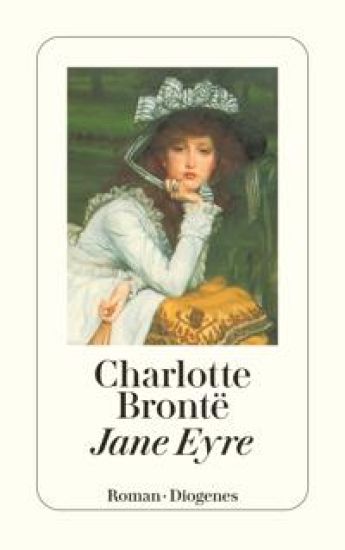
Jane Eyre ist eine Frau, die mit Sicherheit und Klugheit ihren Weg geht, die volle Gleichberechtigung von Mann und Frau als eheliche Grundlage fordert - und deshalb gegen puritanische Engstirnigkeit und moralische Verlogenheit anzukämpfen hat. Ein unerhört aktuelles Buch, das in alle Weltsprachen übersetzt, dramatisiert und achtmal verfilmt wurde.