
Kirjailija
Christa Wolf
Kirjat ja teokset yhdessä paikassa: 50 kirjaa, julkaisuja vuosilta 1979-2024, suosituimpien joukossa August. Vertaile teosten hintoja ja tarkista saatavuus suomalaisista kirjakaupoista.
50 kirjaa
Kirjojen julkaisuhaarukka 1979-2024.
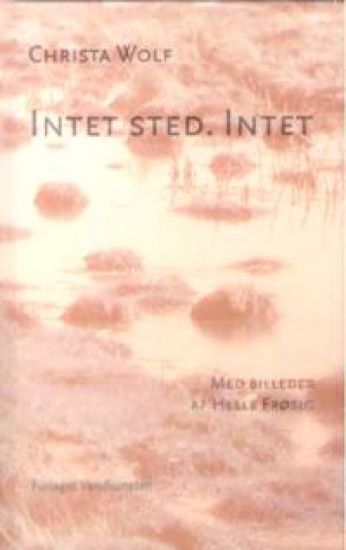
Christa Wolf betragtes af mange som en af Tysklands betydeligste nulevende forfattere. I hendes eneste historiske roman, Intet sted. Intet, som nu udkommer i bogform i Danmark, lader Christa Wolf to af romantikkens tidligt døde kunstnere, digteren Karoline von Günderrode og forfatteren Heinrich von Kleist, mødes i en næsten ordløs samtale med et borgerligt teselskab som kulisse. Helle Frøsigs billeder består af bearbejdede fotos, tegninger og originaltrykte linoleumssnit. De er ikke illustrationer i traditionel forstand, men udgør et selvstændigt udsagn, en billedsuite som søger at fange det sansede i samtalen og udtrykke romanens nerve af eksistentiel rådvildhed og søgen.
Text und Kommentar in einem Band. In der Suhrkamp BasisBibliothek erscheinen literarische Hauptwerke aller Epochen und Gattungen als Arbeitstexte für Schule und Studium. Der vollständige Text wird ergänzt durch anschaulich geschriebene Kommentare.

An East German writer, awaiting a call from the hospital where her brother is undergoing brain surgery, instead receives news of a massive nuclear accident at Chernobyl, one thousand miles away. In the space of a single day, in a potent, lyrical stream of thought, the narrator confronts both mortality and life and above all, the import of each moment lived-open, as Wolf reveals, to infinite analysis.
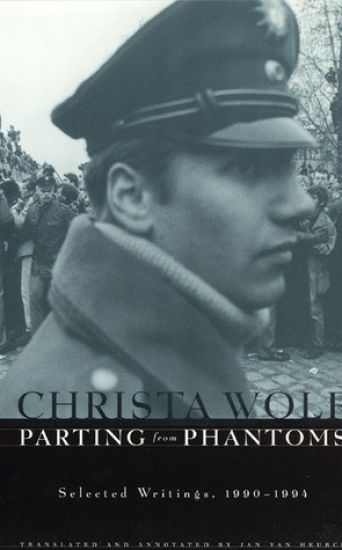
Documenting four painful years in the life of German writer Christa Wolf, this collection of essays, letters and diary entries portrays the cultural and political situation in the former German Democratic Republic. An admired writer, Wolf was reviled after the publication of her novel "What Remains", which was attacked by the press as a belated attempt to establish herself as a victim of the Stasi (the GDR's secret police). The criticism discredited Wolf as a cultural hero in the eyes of many Germans, and plunged her into a deep personal crisis. This volume shows Wolf coming to terms with her ambiguous past and an unforgiving present. Among the writings gathered in this book are discourses with Jurgen Habermas and Gunter Grass, a series of diary entries, and a critical account of Berlin one year after unification, entitled "Whatever Happened to your Smile: Wasteland Berlin 1990". In addition, Wolf defends herself from the media campaign waged against her in Germany. The truth about the GDR, she argues, will be found in its literature, not in the security files used to discredit the GDR's culture.
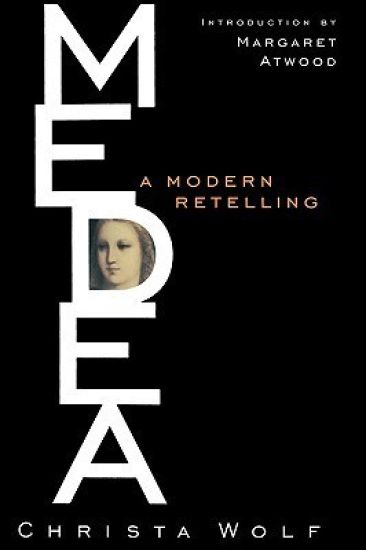

In this volume, the distinguished East German writer Christa Wolf retells the story of the fall of Troy, but from the point of view of the woman whose visionary powers earned her contempt and scorn. Written as a result of the author's Greek travels and studies, "Cassandra" speaks to us in a pressing monologue whose inner focal points are patriarchy and war. In the four accompanying pieces, which take the form of travel reports, journal entries, and a letter, Wolf describes the novel's genesis. Incisive and intelligent, the entire volume represents an urgent call to examine the past in order to insure a future.
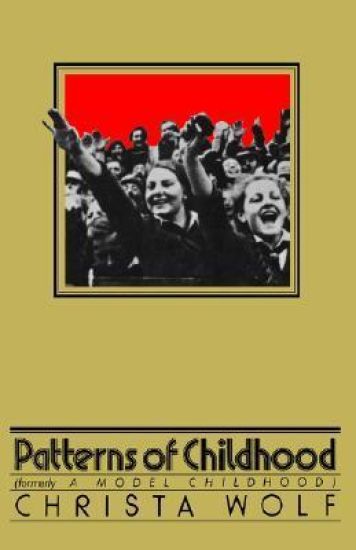
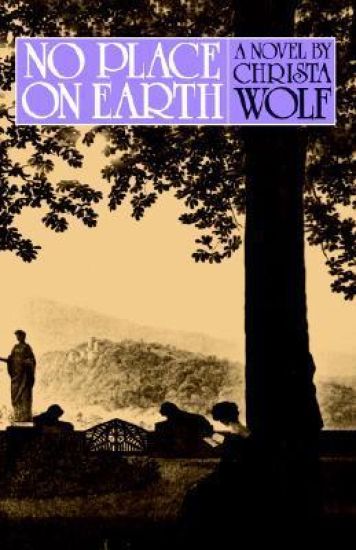
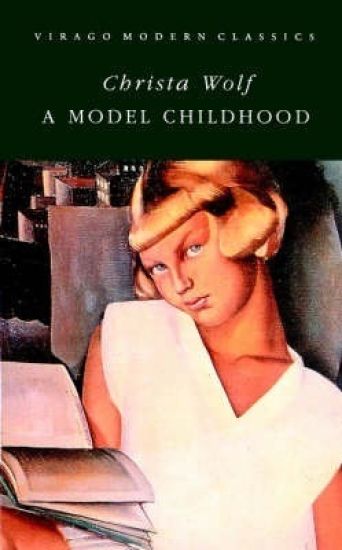
This novel is a testament of what seemed at the time a fairly ordinary childhood, in the bosom of a normal Nazi family in Landsberg. Other work by the author includes The Quest for Christa and No Place on Earth .