
Kirjailija
David Evans
Kirjat ja teokset yhdessä paikassa: 92 kirjaa, julkaisuja vuosilta 1986-2027, suosituimpien joukossa Dark Minds. Vertaile teosten hintoja ja tarkista saatavuus suomalaisista kirjakaupoista.
92 kirjaa
Kirjojen julkaisuhaarukka 1986-2027.


Essential Interviewing
David Evans; Margaret Hearn; Max Uhlemann; Allen Ivey
Brooks/Cole
2016
nidottu
Interviewing is one of the most important skills that you'll use in your career. This proven text gives you the tools you need to conduct successful interviews with diverse clients in a variety of professional settings, including social work, counseling, nursing, personnel work, and human services. With an emphasis on the three major stages of interviewing: exploration, clarification, and action, ESSENTIAL INTERVIEWING offers the same programmed-learning model of interviewing that has successfully trained countless members of the helping professions for nearly 30 years. The text makes interview skills clear and specific -- and exposes you to a variety of client situations and cultures. Each chapter highlights an ethical situation you may confront in your future career, further grounding you in current standards of professional practice.

Water and Dialysis Fluids: A Quality Management Guide
Carlo Boccato; David Evans; Rui Lucena
Pabst Science Publishers
2015
sidottu
Quality of water for dialysis has become a central issue for safety and "Good Dialysis Practice". When considering clinical sequelae and related patient well-being, "water quality" is to date considered a topic with a similar level of importance like blood compatibility of the extracorporeal dialysis circuit. This textbook addresses key factors and conditions which describe and determine water purity. Detailed information is given about chemical and biological purity of such fluids and their possible toxicological and physiological consequences. Further, answers to questions such as "How to prepare ultrapure fluids for dialysis?" and "How to perform a system validation?" or "How to set standards for the monitoring of water purity?" are given. Safety aspects for water treatment facilities and responsibilities to be taken by the dialysis centre staff, as well as actual normative prescriptions from national and international (ISO)-norms complement the scope of this book. The approach suggested by the authors in this textbook considers, thus, all steps of the "water purification cascade". The result is a comprehensive handbook with state-of-the-art knowledge, clinical operational insight gained from Fresenius's 3000 plus clinics and recommendations for day-to-day clinical practice. Accordingly, this book may have its impact as a water quality management guide. The authors of this textbook are renowned specialists with proven records of experience both in water treatment modalities and as employees of the dialysis industry.
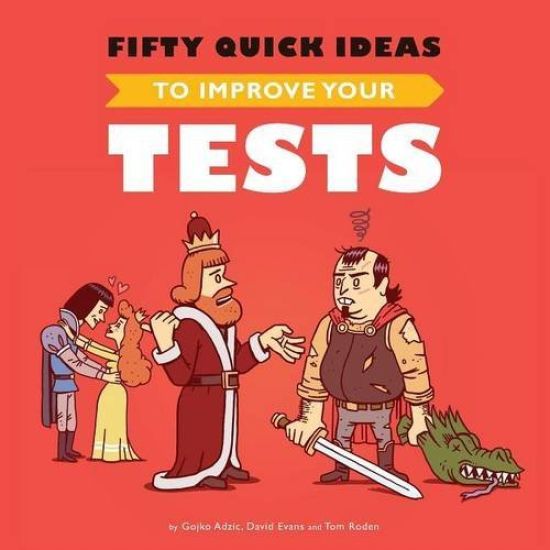
Fifty Quick Ideas To Improve Your Tests
Gojko Adzic; David Evans; Tom Roden
Neuri Consulting Llp
2015
pokkari
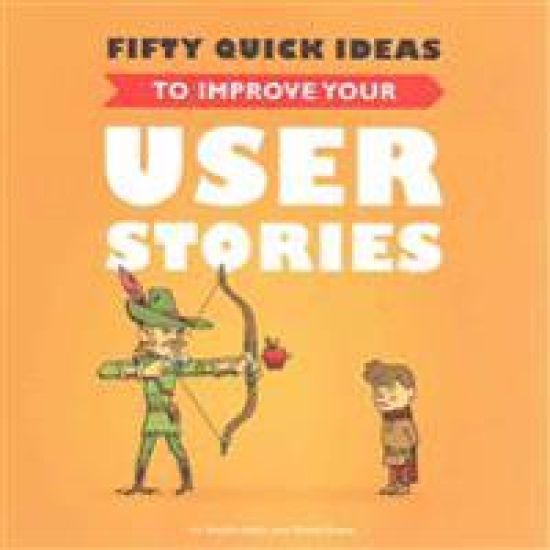
Fifty Quick Ideas to Improve Your User Stories
Gojko Adzic; David Evans
Neuri Consulting LLP
2014
nidottu
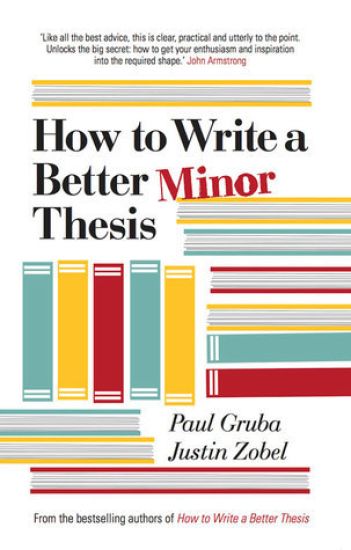
How to Write a Better Minor Thesis
Paul Gruba; Justin Zobel; David Evans
Melbourne University Press
2014
nidottu
What is expected? What should the thesis consist of? How can the whole process be made a bit easier? How to achieve the best possible result? Working within strict time limits, and under pressure right from the start, what does the student need to do to ensure that the thesis is finished?In How to Write a Better Minor Thesis, experienced advisors Dr Paul Gruba and Professor Justin Zobel lay out step-by-step guidelines for writing a minor thesis. Based on decades of working with students undertaking their first piece of research, they take novice researchers through the process of completing a minor thesis from initial steps to final on-time submission. Written in a friendly manner, this concise book—a companion to their senior text on the challenges of research writing, How To Write A Better Thesis—will help you to successfully tackle this fresh challenge. How to Write a Better Minor Thesis contains sections of condensed material from How To Write A Better Thesis, complementing the entirely new material written for minor thesis students.
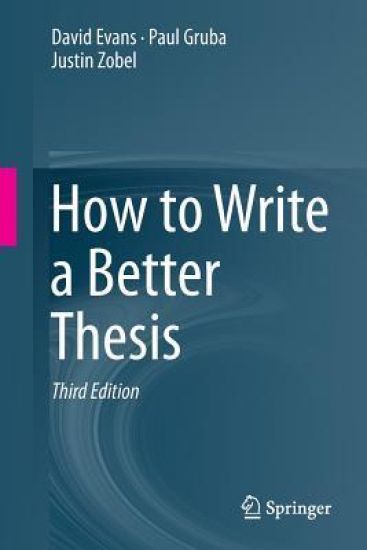
How to Write a Better Thesis
David Evans; Paul Gruba; Justin Zobel
Springer International Publishing AG
2014
nidottu
From proposal to examination, producing a dissertation or thesis is a challenge. Grounded in decades of experience with research training and supervision, this fully updated and revised edition takes an integrated, down-to-earth approach drawing on case studies and examples to guide you step-by-step towards productive success.Early chapters frame the tasks ahead and show you how to get started. From there, practical advice and illustrations take you through the elements of formulating research questions, working with software, and purposeful writing of each of the different kinds of chapters, and finishes with a focus on revision, dissemination and deadlines. How to Write a Better Thesis presents a cohesive approach to research that will help you succeed.
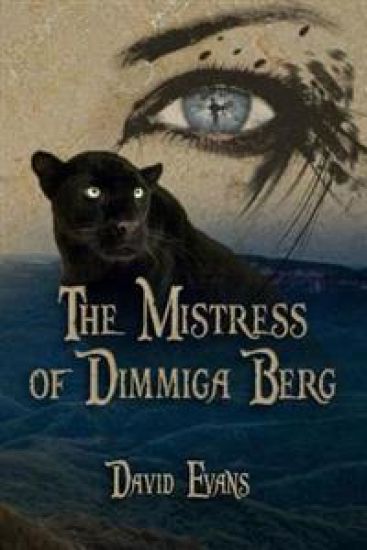
The Mistress of Dimmiga Berg: An Urban Fantasy
David Evans
Createspace Independent Publishing Platform
2014
nidottu
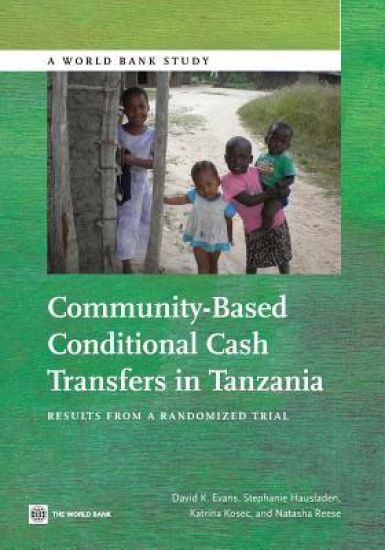
Community-Based Conditional Cash Transfers in Tanzania
David Evans; Stephanie Hausladen; Katrina Kosec; Natasha Reese
World Bank Publications
2014
nidottu
Given the success of conditional cash transfer (CCT) programmes elsewhere, in 2010 the Government of Tanzania rolled out a pilot CCT programme in three districts. Its aim was to see if, using a model relying on communities to target beneficiaries and deliver payments, the programme could improve outcomes for the poor the way centrally-run CCT programmes have in other contexts. The programme provided cash payments to poor households, but conditioned payments on complying with certain health and education requirements. Given scarce resources, the Government randomly selected 40 out of 80 eligible villages to receive the pilot programme. Households in participating and comparison villages were broadly comparable at baseline. This report describes the programme and the results of a rigorous, mixed methods impact evaluation.Two and a half years into the programme, participating households were healthier and more educated. Health improvements due to the CCT programme were greatest for the poorest half of households - the poorest of the poor. They experienced a half a day per month reduction in sick days on average, and poor children age 0-4 in particular had a full day per month reduction in sick days. In education, the programme showed clear positive impacts on whether children had ever attended school and on whether they completed Standard 7. Households were also more likely to buy shoes for children, which can promote both health and school attendance.In response to the programme, households also made investments to reduce risk: Participating households were much more likely to finance medical care with insurance and much more likely to purchase health insurance than were their comparison counterparts. The programme did not significantly affect savings on average, although it did increase non-bank savings amongst the poorest half of households. Participating households also invested in more livestock assets, which they used to create small enterprises. The programme did not, however, have significant impacts on food consumption.On the whole, the results suggest that households focused on reducing risk and on improving their livelihoods rather than principally on increasing consumption. There is also evidence that the project had positive effects on community cohesion.
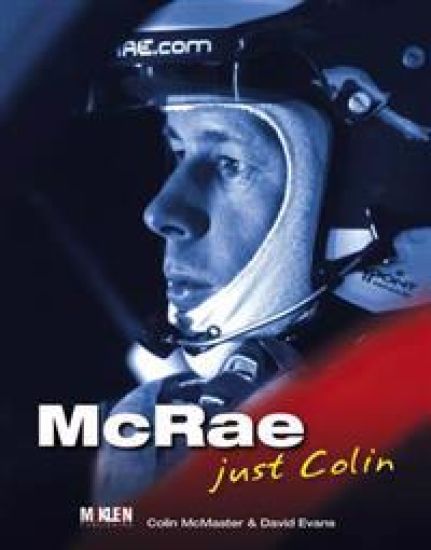
Colin McRae, the 1995 World Rally Champion, was the most spectacular rally driver. His natural speed and win-or-bust approach made him the favorite of rally fans worldwide. The word McRae became superfluous in the end, Colin was... just Colin. On rally stages, the words: "Colin's coming..." meant one thing--the spectators looked longer, harder and took a cautious step backwards, just in case. Colin drove for a variety of top teams including Ford, Citro n, Ferrari, Nissan and Skoda. However this flying-Scotsman is best remembered for his exploits in blue and yellow Subarus. Away from driving, Colin brought rallying to a younger generation as the figurehead of a successful computer game bearing his name. Colin McRae had two well known sayings, one being: "If in doubt, flat out" and the other: "We're here for a good time, not a long time." Sadly the latter became all too true, when on September 15, 2007 the 39-year-old Scot was killed instantly in a helicopter accident. This book details the real Colin McRae, from his humble beginnings to global fame through world championship success. It explains his natural talent, flamboyant driving style and epic wins as well as his rivalries, friendships and spectacular crashes. This book uncovers every aspect of Colin's character, with a collection of personal stories, told by family and friends who knew him best. And there are the previously untold stories, like the time Prince William asked to meet the Scot. Just Colin provides a rare insight into McRae's infectious personality. McKlein Photography, and in particular another Colin McMaster], worked closely with McRae throughout his rally career. The best of McKlein's photo archive has been used to lavishly illustrate all these fascinating stories. Much of the private and behind-the-scenes photography shown in this book has never previously been published.
Nonmetallic Materials and Composites at Low Temperatures
Günther Hartwig; David Evans
Springer-Verlag New York Inc.
2013
nidottu
This was the third meeting in the series of special topical conferences on Non-Metallic materials at low temperatures. The first meeting was in Munich in 1978, the second in Geneva (1980) and so Heidelberg 1984 seemed an obvious time to review some of the hopes and objectives of the earlier meetings. It is also appropriate to consider the changing needs of the cryogenic community and how best the theory and practice of Non-metallic materials can be applied to suit this dynamic young science. The aims and objectives of the International Cryogenic Materials Board in sponsoring this meeting remain the same. Namely, to provide a forum where practicing Engineers can meet with materials suppliers and researchers in an attempt to ensure that a real understanding exists between the two sides of the Cryogenic Materials Community. In this atmosphere, real problems can be addressed together with full discussions of tried and tested practical solutions. It is in this way that knowledge and confidence may grow hand in hand with the logical growth of the industry.
Determined Hope: Living Proof of How Love Creates HOPE Where There is None
Elizabeth Evans; David Evans
Living Grace Press
2013
nidottu
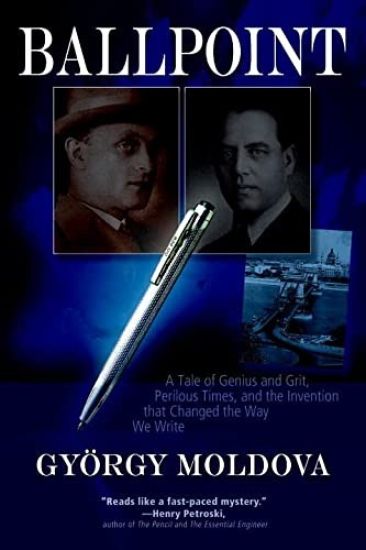
L szlì Brì's last name is, in much of the world, a synonym for his revolutionary writing tool. But few people know that Brì began his career in interwar Budapest as a journalist frustrated with spotty ink; that he escaped fascism by fleeing to Paris and, finally, to Buenos Aires; that a fellow Hungarian, Andor Goy, also played a vital role in the pen's development; and that, in a tragic twist of shared fate, business pressures and politics ultimately deprived both men of their rights to the ballpoint pen. A fascinating life story and history.

D-Day and operation OVERLORD are often regarded as one of the most important operation of all time. The stretch of beach along the Calvados coast is world famous for the part it played in turning around World War II on the 6th of June 1944, when British, Canadian and American troops broke through Nazi defenses. Normandy is indelibly marked by the momentous events of June 1944, and the ensuing months leading to the liberation of France and the rest of Europe. Visitors today can explore old army bunkers and other war relics along the five beaches: Utah, Omaha, Gold, Juno and Sword. Museums and memorials throughout the region stand as forceful reminders of this decisive period during the Second World War, when Allied Forces gradually advanced from landing beaches through villages, towns and countryside to liberate the French people.
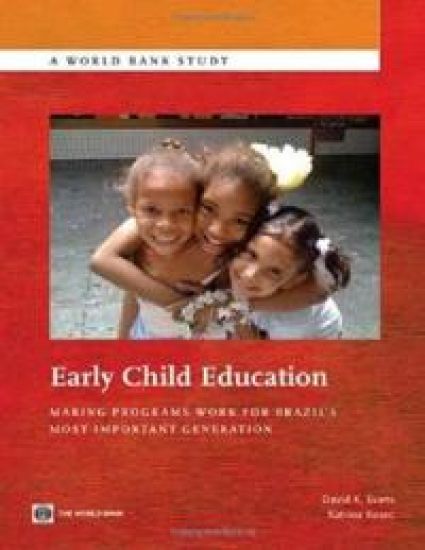
In the past fifteen years, Brazil has made great strides in increasing its population’s access to early child education, with both preschool and creche enrollment increasing by over fifty percent. Education programs for young children have consistently been shown to have long-term positive effects on life outcomes of participants. In Brazil, these programs have demonstrated positive impacts on, for example, income, length of schooling, and test scores. However, the quality of pre-schools and creches is essential in achieving these improvements, and even in capital cities, very few centers are rated as high-quality centers. Representation of the poorest and most vulnerable children among those attending pre-school and creche still lags considerably behind that of more privileged children, although poorer children stand to gain the most from early child education programs. Additionally, large rural-urban and regional disparities exist. This book details the literature on the effects of early child education and the importance of quality, and gives a comprehensive view of the quality, regional, and socioeconomic gaps in early child education in Brazil. It further examines existing public and private initiatives in Brazil, and discusses how they can be leveraged to effectively and efficiently provide quality pre-school and creche care. A central aim of the book is to provide policymakers with specific recommendations of policies to improve the quality and equity of the early child education experience in Brazil. Given the difficulty in reaching children in remote areas and the need to expand coverage to the poorest segments of the population, Brazil will need to be strategic in how and where it invests. It should target new centers and allocate existing spaces to the poorest people and areas. Municipal policymakers should allocate public spaces in a transparent manner, provide guidelines to institutions, and monitor them. Teachers need guidance on the best activities to use, to improve child outcomes. The use of participatory budgeting could potentially improve access and equity by involving the poor directly in the budgeting process. Increased cross-sectoral coordination could improve child welfare in cost-effective ways, and public-private partnerships could stretch existing resources further and expand coverage more quickly.
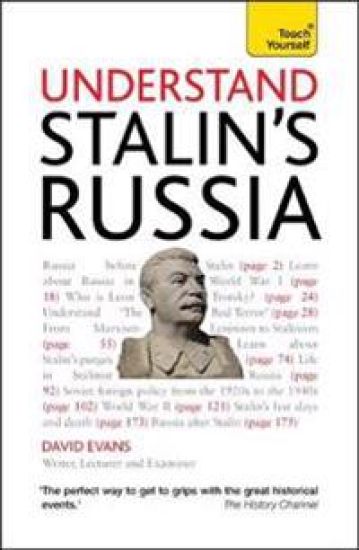
Understand Stalin's Russia is a compelling introduction to a man and a nation long enveloped in mystery. It covers all aspects of this fascinating history, from the shadows of Tsarism and the legacy of Lenin, to the implications of Stalin's rule - including the horrific effects of the five-year plans, and the heroic but costly triumph in the Great Patriotic War.
How to Write a Better Thesis
David Evans; Paul Gruba; Justin Zobel
Melbourne University Press
2011
nidottu
This concise guide emphasizes clear and logical structure as the key to a well-written thesis. The book uses a direct and conversational tone while offering concrete examples of common structural problems and the numerous devices, tricks, and tests for avoiding them. It proves that the astute researcher must no longer regard writing as the last chore but rather as a crucial part of the research process. This updated edition demonstrates how computer software can be advantageous and includes a checklist to keep students organized.
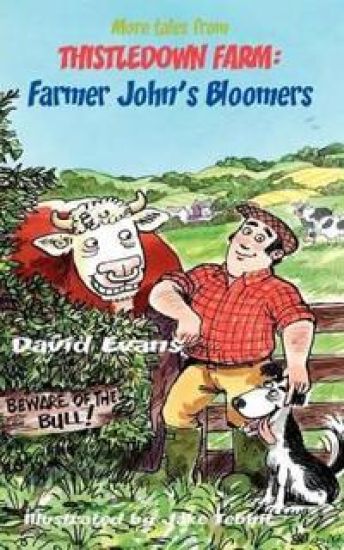
Seventeen humorous farm stories for five to eight year olds up.In this collection David Evans takes his reader on another jaunt to Thistledown Farm where the irrepressible Farmer John is cracking on with the daily chores of farming life. John is as likeably down to earth and inept as ever. He always has a new ploy up his sleeve and readers will chuckle as his best laid plans go oft agley- but always come right in the end.These stories have a sheer good natured warmth with moments of slapstick humour and delightful silliness. A fun easy going literary spree for readers of all ages. Those who already know Farmer John will welcome a revisit to Thistledown Farm and new readers will no doubt find much to enjoy.If you enjoy this book try THISTLEDOWN FARM: Farmer John's Boots and other stories.